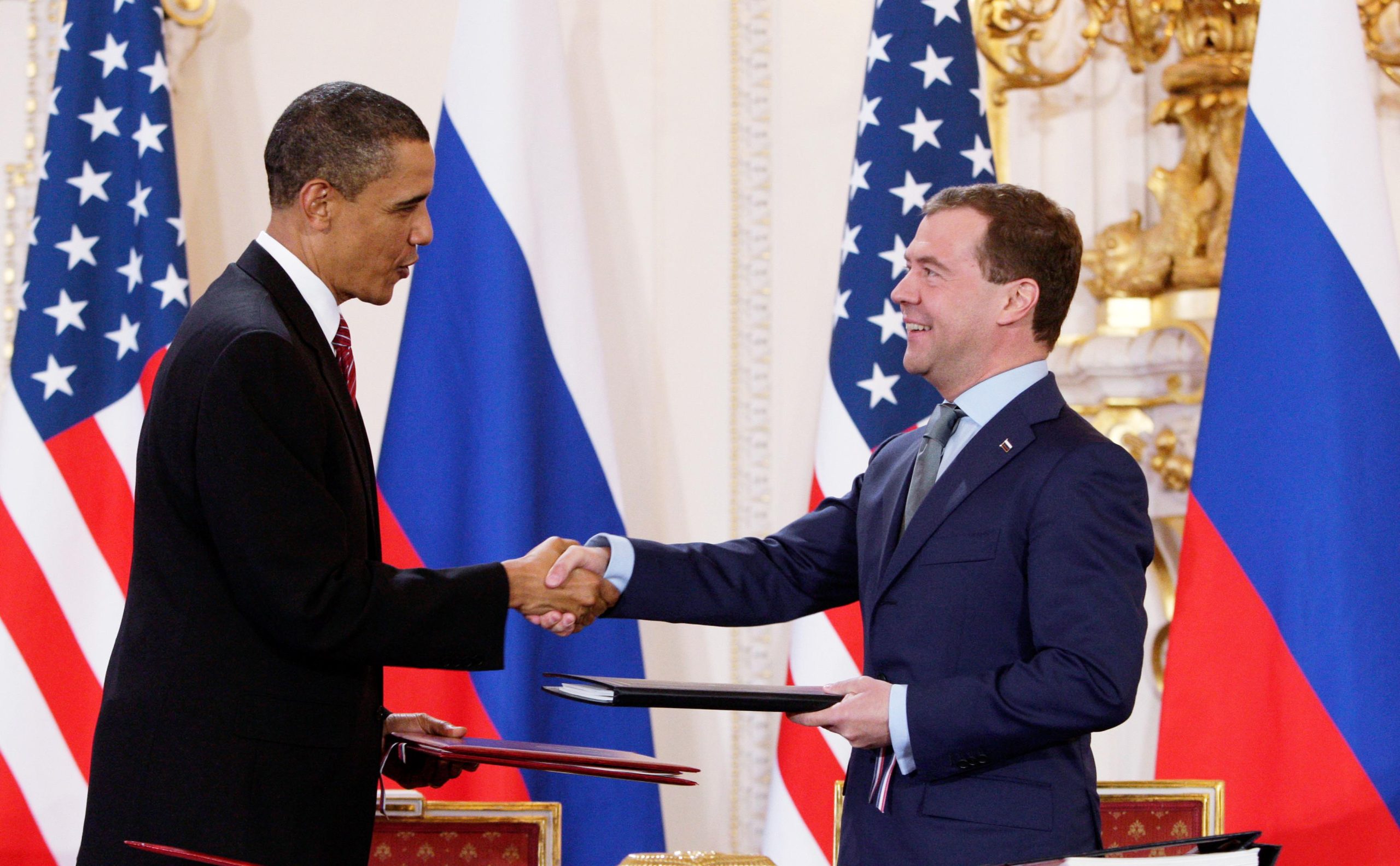
The United States and Russia are facing an unprecedented reality as the last major nuclear arms treaty, New START, officially expired this week. For the first time in more than half a century, neither nation faces formal limits on deployed nuclear warheads or delivery systems, sending ripples of tension across international security circles.
Governments, military planners, and treaty monitors are now under pressure to respond to a sudden vacuum of regulation, while China’s expanding arsenal looms as an unrestrained factor. The clock striking midnight in Prague has already tightened operational and diplomatic options, leaving global arms control institutions scrambling.
Where Treaty Oversight Broke Down
Decades of arms control relied on layered treaties, inspections, and verification mechanisms to maintain trust between nuclear powers. Yet the final months of New START revealed structural fractures. Moscow submitted extension proposals that went unanswered by Washington, while U.S. policymakers debated domestic priorities and the role of China in negotiations.
Oversight mechanisms meant to guarantee continuous monitoring of nuclear deployment were left idle as political and bureaucratic delays took hold. Safeguards designed to prevent abrupt escalation were ineffective because neither side committed to contingency extensions, exposing how fragile reliance on bilateral agreements can be.
Immediate Risks and Public Alarm
The treaty’s lapse instantly translates into operational uncertainty. Without binding limits, Russia and the United States can theoretically deploy hundreds of additional warheads, while verification gaps leave allies, adversaries, and the public unsure of each side’s nuclear posture. Analysts warn this may fuel reactive stockpiling, eroding decades of stability and making miscalculations more likely.
China’s growing arsenal adds another layer of complexity, highlighting that strategic balance is no longer managed through predictable agreements. Public trust in the ability of governments to restrain nuclear escalation has begun to falter, as the rules that once structured deterrence now sit in limbo.
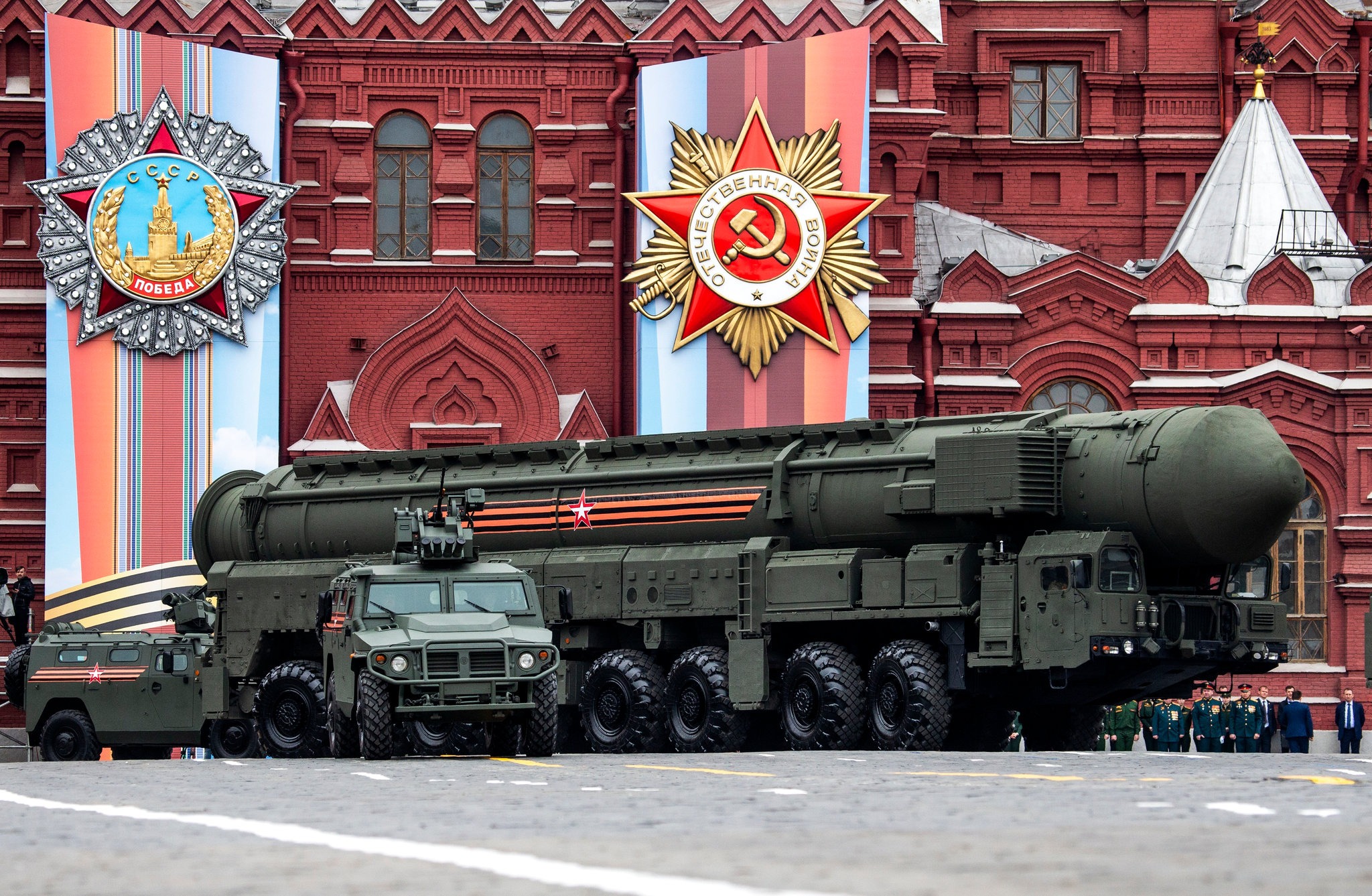
A Russian missile launcher is displayed in Red Square as the New START treaty expires, fueling global concern over a renewed nuclear arms race.
Accountability in the Void
Responsibility for this exposure is fragmented. Russian officials claim they attempted dialogue, yet the U.S. response was inconsistent, reflecting internal divisions over arms control strategy. International regulators, such as the United Nations and IAEA, lack direct authority to enforce compliance, leaving a governance vacuum.
Policy architects, military leadership, and elected officials share oversight responsibilities, but no single entity owns the failure to maintain treaty continuity. As a result, the accountability chain is diffuse, and the question of “who should have prevented this” remains unresolved.
Debate Zone: Speed, Safety, and Strategic Choice
The lapse invites urgent debate: should nuclear powers prioritize innovation and modernization over traditional constraints? Can speed and autonomy in national defense coexist with collective global safety? Opponents argue treaties slow modernization and limit strategic flexibility, while supporters warn that abandoning agreements accelerates insecurity.
The tension is palpable: was this breakdown inevitable given political indecision, or could proactive diplomacy have preserved the framework? The unresolved question fuels both geopolitical anxiety and domestic scrutiny in Washington and Moscow.
Next Steps Under Scrutiny
Scrutiny is intensifying. Military commands are reviewing deployment protocols, while congressional committees and Russian parliamentary bodies debate emergency measures. Analysts note that other treaties, such as regional non-proliferation agreements, may now come under review, and similar exposure could exist in less-visible nuclear programs.
International monitors are preparing contingency assessments, yet concrete enforcement is limited. Behaviour is already tightening under pressure, with diplomats signaling urgency and defense ministries recalibrating risk assumptions — all without the certainty that long-term restraint can be restored.
Trust Under Pressure
Once the protective framework of New START dissolved, trust began to erode. Global reliance on predictable nuclear behaviour is now under stress, and the public sees firsthand the fragility of agreements designed to prevent catastrophe.
Control, once exercised through treaties and verification, is harder to re-establish, leaving nations and citizens exposed to uncertainty that will shape strategic choices for years. The lapse serves as a stark reminder that institutional credibility is as vital as the weapons themselves, and once it frays, consequences unfold faster than anyone can fully contain.