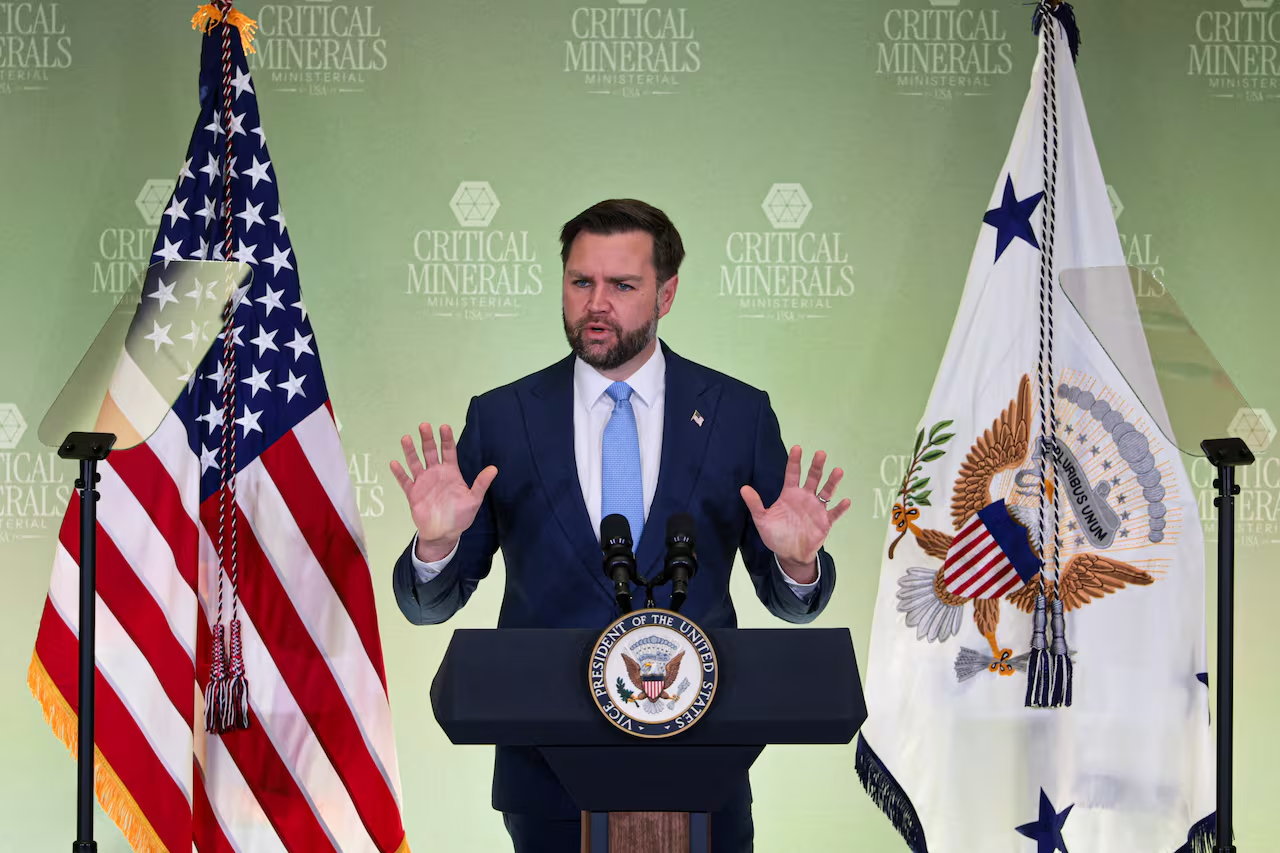
Manufacturers in the United States are facing tighter access to materials crucial for smartphones, electric vehicles, and defense systems after the US government launched a major initiative this week to secure critical minerals.
Companies that rely on rare earths and lithium are already adjusting supply chains and reconsidering investments in new production as a result of the announcement. This directly affects ongoing operations in factories and mines nationwide.
The disruption comes as firms evaluate contracts and costs amid uncertainty over how quickly domestic supply can replace foreign sources. The move aims to reduce reliance on China, which dominates global supply of these minerals, leading to vulnerabilities exposed by recent trade tensions.
Experts note that this shift could stabilize long-term supply but may cause short-term price volatility and procurement challenges for industries.
Global Partnership Forms at Ministerial Meeting
The move comes from the highest levels of government. Vice President JD Vance and Secretary of State Marco Rubio spearheaded the first Critical Minerals Ministerial on Wednesday.
The meeting brought together representatives from the United States, United Kingdom, Japan, India, South Korea, Australia, the European Union, and the Democratic Republic of Congo, along with over 50 other nations.
Officials outlined coordinated strategies to create a trade zone for critical minerals, aiming to secure supply chains for materials used in electric vehicle batteries, computer chips, and other industrial applications.
This included the announcement of FORGE, a new forum succeeding the Minerals Security Partnership to foster collaboration on policy and projects among allies. Bilateral agreements were signed with countries like Argentina, Ecuador, and the Philippines to enhance mineral frameworks.
Vance emphasized eliminating market flooding with cheap minerals to protect domestic manufacturers. Rubio highlighted the need for action to revive US mining authority.

Key critical minerals like lithium, neodymium, and cobalt showcased as the United States launches initiatives to secure domestic supply chains.
Industry Feels Immediate Pressure from Changes
Industry participants immediately noted the pressure. Prices for key materials like rare earth magnets and lithium carbonate have shifted sharply in the past week. Rare earth stocks declined as markets reacted to proposed price floors and tariffs.
Several manufacturers reported delays in procurement discussions with overseas suppliers. While the administration avoided naming China, officials described foreign supply flooding markets as a threat to domestic production and investment.
This comes after China imposed export controls on rare earths in April and October 2025. Some controls were suspended until November 2026 following diplomatic talks, providing temporary relief but underscoring ongoing risks.
Government Rolls Out Tariffs, Reserves, and Investments
The US plans to enforce tariffs to prevent mineral prices from falling too low, which officials say can discourage investment in domestic mining.
In addition, President Donald Trump announced a new critical mineral reserve dubbed Project Vault, valued at nearly 12 billion dollars. This combines a 10 billion dollar loan from the Export Import Bank and 2 billion dollars in private capital to stockpile materials like rare earths, lithium, and copper.
The US is already channeling hundreds of billions of dollars into domestic mining and processing, targeting firms including rare earth magnet producer MP Materials and lithium supplier Lithium Americas.
Broader support includes letters of interest for projects in the US and abroad. These efforts include price supports, subsidies, and guaranteed purchases to encourage production and address supply chain vulnerabilities.
Long Term Challenges and Potential Outcomes
Despite these moves, experts warn that the disruption will not resolve overnight. Building new mines and processing facilities can take years, and financing for mineral projects remains sensitive to global price swings.
Companies that depend on imports must navigate potential bottlenecks and higher costs. Supply chains in sectors such as electric vehicles and electronics are particularly exposed, as even minor delays in minerals like neodymium or cobalt could ripple through production schedules.
Some firms have already begun adapting. Manufacturers are delaying certain projects, shifting orders to alternative suppliers, and reviewing long-term contracts with overseas partners.
Several battery makers confirmed they are assessing how quickly domestic minerals can replace foreign sources and whether tariffs or reserve stockpiles will alter pricing dynamics. Procurement teams are holding off on new deals until clarity emerges, a pattern that has contributed to heightened market tension.
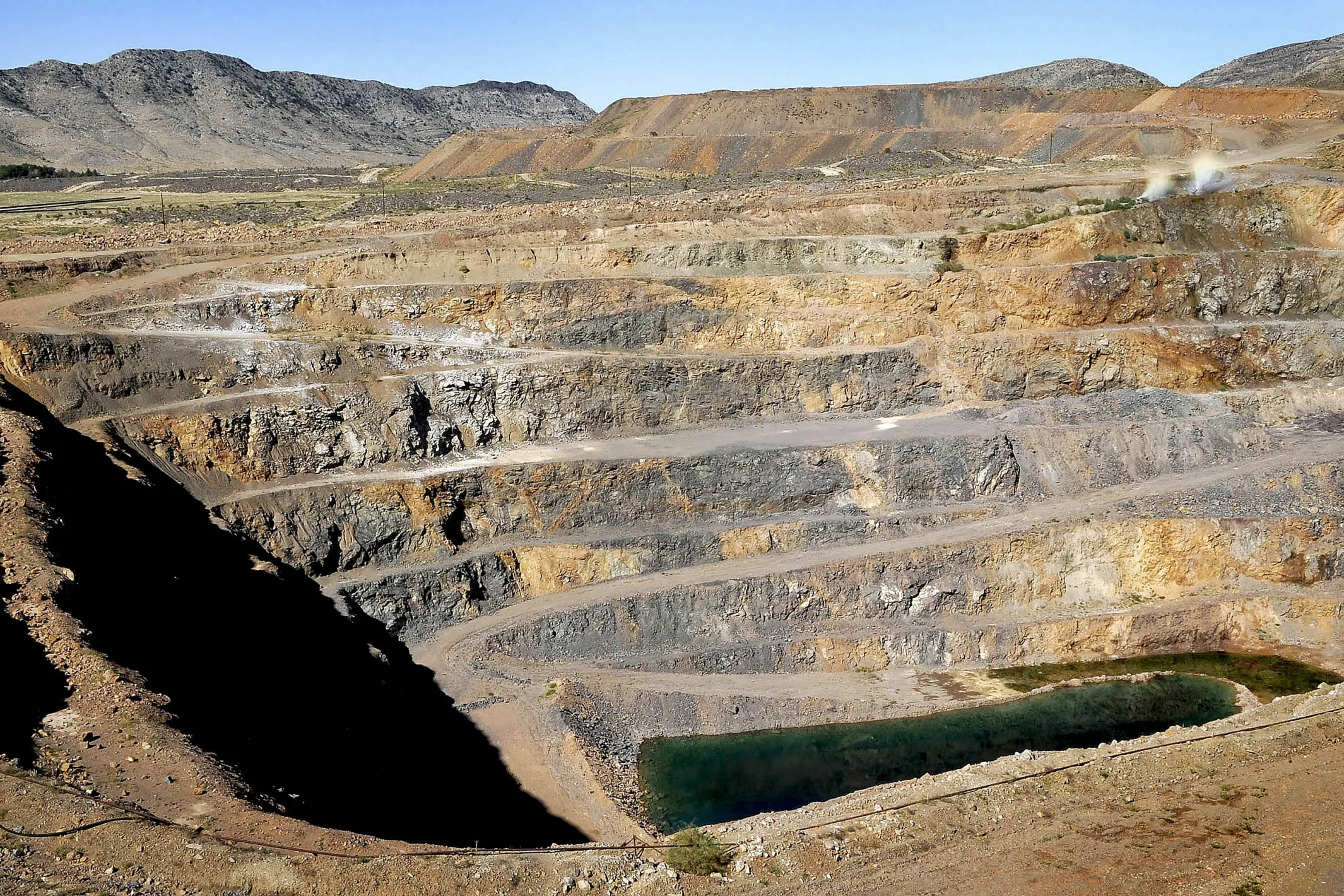
An aerial view of a critical minerals quarry where lithium, rare earths, and other essential resources are extracted for U.S. supply initiatives.
The International Framework
The international dimension adds another layer of risk. Chinese authorities briefly tightened export controls on rare earths last fall, illustrating how supply dominance can be used strategically in trade talks. While Beijing eased those restrictions soon after, analysts note that any further tightening, combined with US tariffs and reserve policies, could create uneven access to materials, forcing companies to reconsider which markets to prioritize.
If the US plan succeeds, domestic supply chains may stabilize over the next decade, potentially reducing reliance on foreign minerals and creating new investment opportunities.
But if bottlenecks persist, industries could face ongoing disruptions with higher prices for batteries, electronics, and defense systems. Firms might need to maintain larger inventories, delay projects, or negotiate complex international arrangements to secure necessary materials.
What Happens Next
For now, the immediate impact is tangible. Companies are recalculating costs, adjusting production timelines, and monitoring government announcements closely. Market participants say that even modest delays or uncertainty in mineral access can have significant consequences for technology manufacturing, transportation, and national defense.
The coming months will test the ability of policymakers and industry leaders to coordinate effectively while navigating a volatile and high-stakes global supply chain.