Amazon has won a major US court fight over biometric privacy, in a ruling that could make some lawsuits harder to pursue over how companies collect and use voices, facial scans and other personal biometric data.
The U.S. Court of Appeals for the Third Circuit ruled in favor of Amazon Web Services and security company Pindrop in a case involving voice authentication technology used during customer service calls tied to financial services. Legal experts say the decision could narrow the reach of Illinois’ Biometric Information Privacy Act, or BIPA, one of the toughest biometric privacy laws in the country.
The ruling arrives as banks, insurers, retailers and technology firms rapidly expand AI-powered identity systems to cut fraud, reduce staffing costs and speed up customer service. For companies under pressure to improve efficiency while controlling expenses, biometric verification has become a major business priority despite years of legal challenges and consumer privacy concerns.
The lawsuit claimed customers’ voiceprints were collected without the written consent required under Illinois law. But the appeals court ruled that simply being located in Illinois during a phone call was not enough for BIPA protections to automatically apply.
Instead, the judges focused on where the biometric processing actually took place.
That distinction matters because voice recordings and authentication data often move instantly across cloud servers operating in multiple states. Many AI-driven identity systems are managed remotely through centralized infrastructure rather than inside the state where a customer lives or places a call.
The court also found that the technology fell within BIPA’s financial institution exemption because the services were connected to federally regulated financial activity.
For corporate America, the decision could ease one of the biggest legal risks surrounding biometric technology.
Illinois’ BIPA law became one of the most feared privacy laws in the US because consumers could sue companies for statutory damages even without proving direct financial harm. Lawsuits spread across industries involving fingerprint scanners, facial recognition systems, workplace time clocks, virtual try-on tools and voice authentication software.
Some businesses agreed to massive settlements. Others delayed or scaled back biometric projects because of rising insurance costs and legal uncertainty.
Companies that once hesitated over biometric lawsuits may now feel more comfortable expanding these systems.
Businesses are investing billions into AI tools designed to replace slower and more expensive manual verification methods. Voice authentication technology has become especially attractive for banks and customer service providers trying to shorten call times, reduce fraud losses and rely less on large support teams.
At the same time, many consumers are becoming uneasy about how much personal data companies quietly collect.
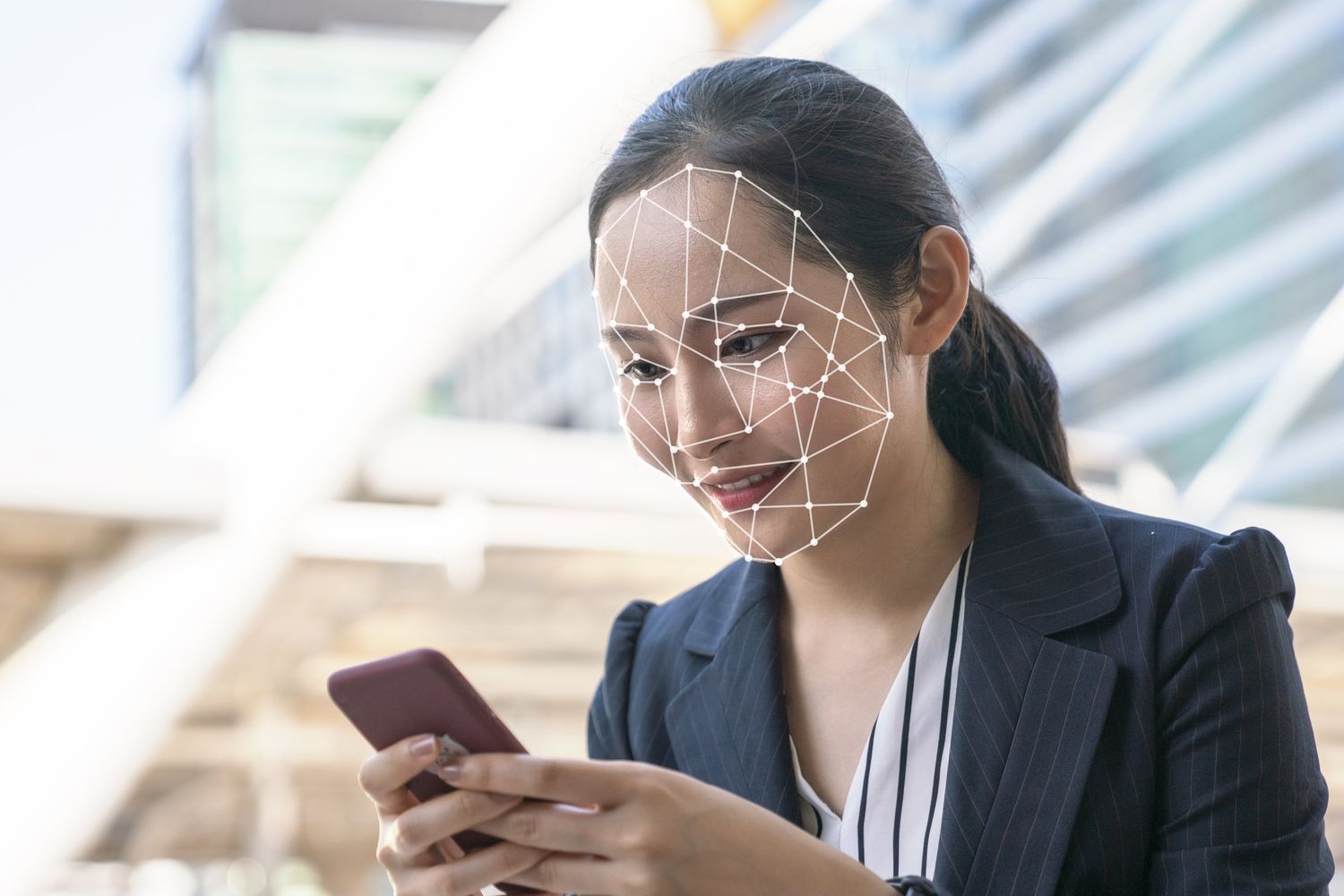
A quick call to a bank, logging into a workplace system or passing through airport security can now involve biometric checks many people never actively agreed to or even noticed. What once felt futuristic now sits inside ordinary daily routines.
The Amazon ruling may encourage wider use of those systems by giving companies a stronger defense against some privacy claims, particularly when biometric processing happens across multiple states or within regulated financial industries. For ordinary consumers, the shift may feel uncomfortable.
The technology is becoming harder to see, more automated and more deeply connected to everyday life just as courts appear to be placing new limits on how far certain privacy protections can extend.
As companies continue pushing deeper into AI-driven identity systems, many consumers may not fully realize how much of their voice, face and personal behavior is already being absorbed into systems they barely notice.