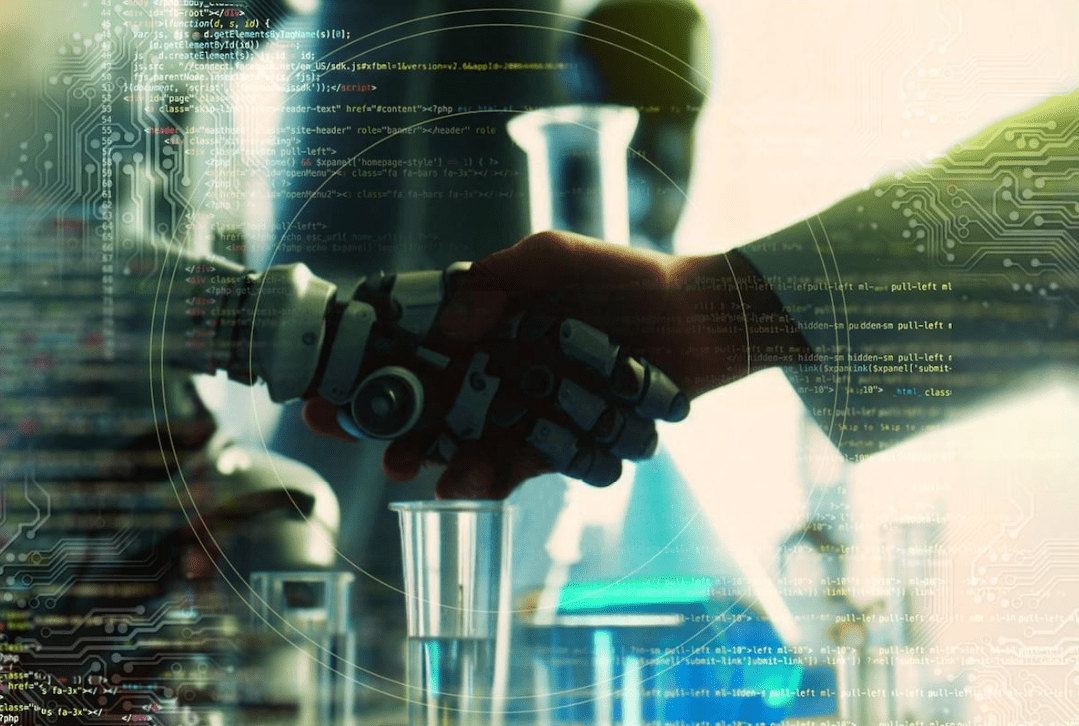
AI Has Become a Global Priority
Artificial intelligence has rapidly become one of the most important technological developments of the modern era. Governments, businesses, and research institutions around the world are investing billions into AI systems that can improve productivity, automate tasks, and transform industries ranging from healthcare to finance.
Over the last two years especially, AI became a central topic in global business discussions following the rapid growth of advanced language models and generative technologies. Companies such as OpenAI, Google, Microsoft, and Anthropic accelerated competition in the sector, while governments across Europe, the United States, and Asia began introducing discussions around regulation and ethical standards.
Experts believe artificial intelligence could become as influential to the global economy as the internet was during the late 1990s and early 2000s.
Businesses Are Changing Their Strategies
Many industries are already adapting their business models because of AI technology. Customer service departments increasingly use AI-powered chat systems, while logistics companies apply machine learning to improve delivery routes and supply chain efficiency.
In healthcare, artificial intelligence tools are helping researchers analyze medical images faster and identify patterns that may assist doctors in diagnosing diseases earlier. Pharmaceutical companies also use AI systems to speed up drug research and development processes.
Financial institutions are investing heavily in automated fraud detection systems and predictive analytics. Retail companies use AI algorithms to personalize recommendations and better understand customer behavior.
Digital entertainment sectors connected to Casino platforms are also evolving alongside these technologies. Modern platforms increasingly use artificial intelligence for personalized user experiences, security systems, fraud prevention, and real-time customer support. Industry analysts note that audiences now expect smarter and more adaptive online environments across all forms of entertainment.
Governments Are Introducing Regulations
As AI capabilities continue growing, governments are becoming increasingly concerned about regulation, privacy, and misinformation risks.
In 2024, the European Union officially approved the AI Act, one of the first major legal frameworks designed to regulate artificial intelligence technologies. The legislation focuses on transparency, risk management, and restrictions surrounding high-risk AI systems.
Meanwhile, the United States continues debating national AI policies while major technology companies compete aggressively in the global market. China has also invested heavily in artificial intelligence development as part of its long-term economic strategy.
Experts warn that countries failing to invest in AI research and infrastructure may struggle economically in future decades as automation becomes more important across industries.
The Job Market Is Rapidly Evolving
Artificial intelligence is already influencing global labor markets. While some experts fear automation could replace millions of jobs, others argue that AI will primarily change the nature of work rather than eliminate employment entirely.
Historically, major technological revolutions often created new industries even as older roles disappeared. Economists believe AI may follow a similar pattern, increasing demand for specialists in data science, cybersecurity, machine learning, and digital infrastructure.
However, some industries may experience significant disruption. Administrative work, repetitive office tasks, and certain customer support roles are among the areas most likely to become increasingly automated over time.
Because of this, many governments and universities are investing more heavily in digital education and workforce retraining programs.
AI Is Changing Education
Education systems worldwide are also adapting to artificial intelligence technologies. Schools and universities increasingly debate how AI tools should be integrated into classrooms and academic work.
Some educators believe AI can improve personalized learning by helping students study at their own pace and receive instant feedback. Others worry that overreliance on technology may reduce critical thinking and independent problem-solving skills.
Several universities have already updated academic policies regarding AI-generated content and digital research tools. At the same time, companies are introducing AI-powered tutoring platforms designed to make education more accessible globally.
The conversation surrounding AI in education reflects a broader challenge: balancing innovation with responsible usage.
Misinformation and Deepfake Concerns
One of the biggest global concerns surrounding AI involves misinformation and manipulated digital content. Deepfake technology — realistic AI-generated videos, images, and audio — has improved rapidly in recent years.
Experts warn that these tools could be used to spread false information, influence elections, or damage public trust in online media. Governments and technology companies are now working on systems that can identify AI-generated content more effectively.
Social media platforms face increasing pressure to manage misinformation while maintaining open communication environments. The challenge is especially difficult because AI tools can generate massive amounts of convincing content within seconds.
Cybersecurity experts predict that digital verification and authentication systems will become increasingly important over the next decade.
AI Competition Between Major Economies
Artificial intelligence is also becoming part of global geopolitical competition. The United States and China currently dominate much of the AI industry through investments, infrastructure, and research capabilities.
Semiconductor production has become particularly important because advanced AI systems require powerful computer chips. Taiwan, South Korea, and the United States now play critical roles in global technology supply chains.
Recent restrictions on chip exports and technology access have demonstrated how strategically important artificial intelligence has become in international politics.
Many analysts compare the current AI race to earlier technological competitions during the space race and early internet era.
Entertainment and Media Are Rapidly Adapting
The entertainment industry is already using AI in music production, film editing, visual effects, and content recommendations. Streaming services rely heavily on machine learning algorithms to personalize viewing suggestions for users.
Gaming companies are experimenting with AI-generated dialogue, adaptive storytelling, and smarter virtual environments. Online entertainment sectors connected to experiences similarly continue adopting advanced algorithms to improve interaction, security, and personalized digital experiences.
At the same time, creative professionals remain divided about how AI should be used in artistic industries. Some view it as a powerful tool for innovation, while others fear it could reduce opportunities for human creators.
The Future Will Depend on Responsible Development
Most experts agree that artificial intelligence will continue influencing nearly every major industry during the coming decade. However, the long-term impact will depend largely on how responsibly governments, companies, and societies manage the technology.
Balancing innovation with privacy, security, and ethical standards will likely become one of the defining global challenges of the modern era.
Artificial intelligence offers enormous opportunities for economic growth, scientific progress, and improved efficiency. At the same time, it raises complex questions about employment, misinformation, regulation, and the future relationship between humans and technology.
As AI continues evolving, countries and industries around the world are entering a period of transformation that may permanently reshape how modern society functions.