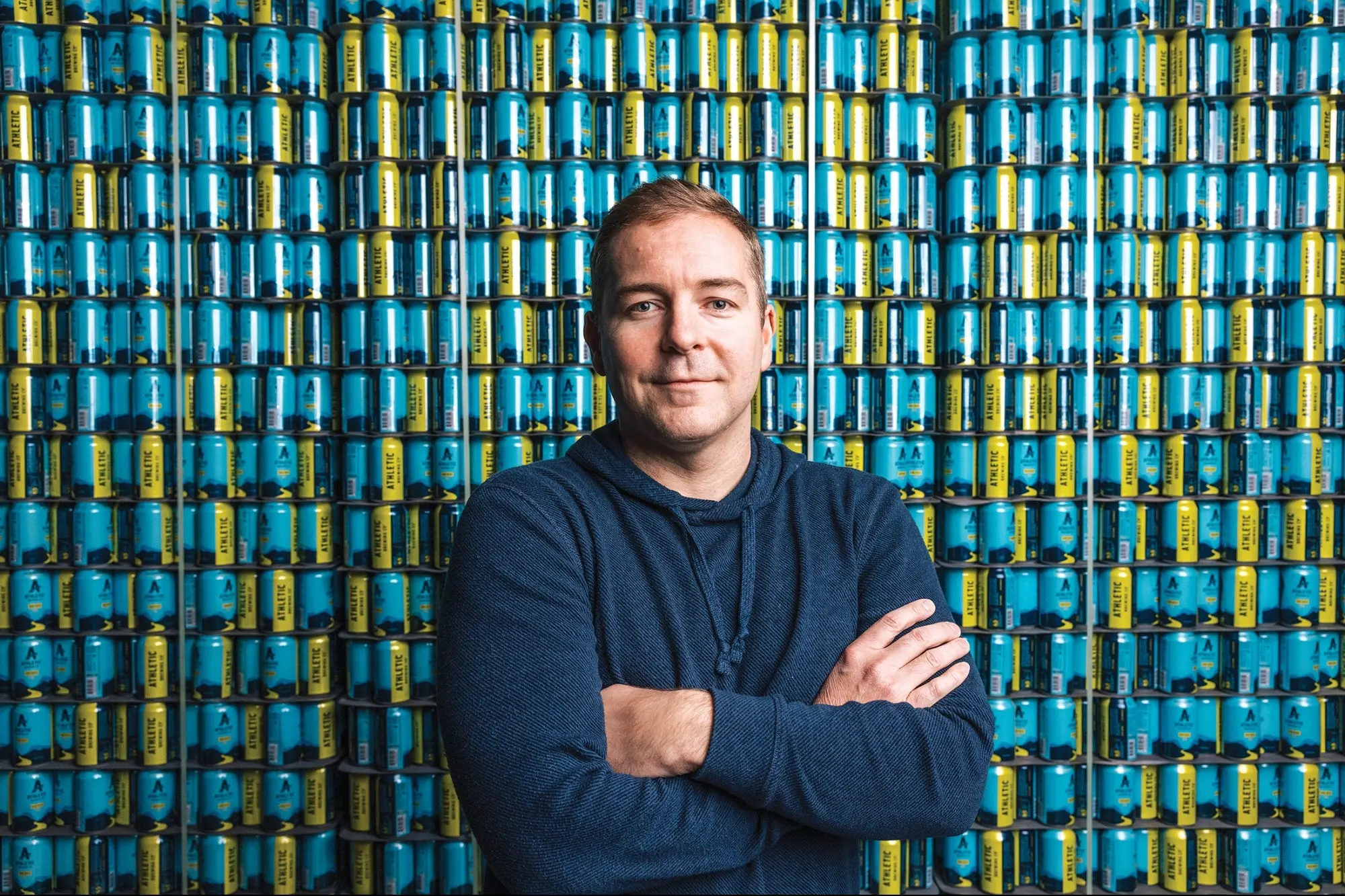
Bill Shufelt, the founder and CEO of Athletic Brewing, told Business Insider that “I quit my job without ever having brewed a batch of beer. We had no prototype; just a lot of confidence that I was the future consumer.” Speaking to Business Insider, Shufelt outlined how his personal health journey and desire for high-quality nonalcoholic beer drove the creation of a company that now accounts for over 23% of the U.S. nonalcoholic beer category’s growth over the past seven years.
The story still matters now because Athletic Brewing’s expansion highlights broader trends in the beverage industry, consumer health behavior, and investment interest in alternative alcohol markets. Analysts say understanding this market shift is critical for brewers, distributors, and retailers who have historically relied on traditional beer sales.
Founded in 2017, Athletic Brewing emerged from Shufelt’s personal experience with sobriety and endurance sports. The company now operates two breweries—one in Connecticut and another in San Diego—and produces a variety of nonalcoholic beers, including Athletic Light, Run Wild IPA, and Free Wave Hazy IPA. Shufelt’s hands-on leadership approach continues to shape the company’s culture and product strategy. “I get a lot of my online work done late at night — outside traditional hours — so that I can be as unplugged as possible when I’m with the team,” he told the Business Insider, emphasizing a leadership style grounded in accessibility and daily operational oversight.
The Real Impact
Athletic Brewing is redefining the nonalcoholic beer market at a time when consumer demand is shifting toward health-conscious choices. Nonalcoholic beer accounted for just 0.3% of the U.S. market in 2013, but consumer surveys commissioned by Shufelt indicated that over half of respondents would be interested in high-quality nonalcoholic options. That consumer interest is now reflected in market growth, as Athletic Brewing drives more than one-fifth of category expansion, capturing the attention of both mainstream retailers and investors looking for emerging beverage sectors.
The company’s product strategy emphasizes health compatibility without compromising taste. Shufelt explained, “Athletic has been a pretty big health unlock for me, just from the consumer side,” noting that pairing beer with meals no longer has to conflict with fitness goals. This approach is resonating with a demographic that spans from fitness enthusiasts to casual social drinkers, illustrating how a lifestyle-driven product can create sustainable market differentiation.
Where the Pressure Is Building
Athletic Brewing faces pressure on multiple fronts. The N/A beer category is growing rapidly, attracting competitors from traditional brewers who see a gap in the market. Scaling production while maintaining quality is a key challenge, especially as Shufelt balances leadership across two facilities. “I spend time walking around with our teammates through the brewery, seeing how things are running, trying to figure out if there are any pain points or inefficiencies in people’s days,” he told the WSJ. Operational efficiency is critical to sustaining growth while keeping products fresh and meeting the expectations of both retail and on-premise partners.
Additionally, consumer education and taste perception remain hurdles. Nonalcoholic beer historically carried stigma, and Athletic Brewing continues to navigate the tension between health benefits and flavor expectations. The company also faces the logistical pressure of expanding distribution across 30 states, maintaining consistency in a perishable product category, and managing inventory for retail and direct-to-consumer channels.
What Happens Next
Looking ahead, Athletic Brewing’s strategy emphasizes both product development and market penetration. Shufelt has committed to maintaining hands-on involvement, traveling regularly to breweries, retailers, and distribution hubs to ensure quality and alignment with consumer demand. He told the WSJ, “I like to see our retailers and consumers on their home turf and in their own markets, tasting as much beer as I can, fresh off the draught line to make sure it’s up to our standards.”
The next phase of growth may involve new product lines, larger production capacity, and international expansion as global demand for nonalcoholic beer rises. Industry observers highlight that the company’s early first-mover advantage, combined with Shufelt’s emphasis on operational culture and product quality, positions Athletic Brewing to lead category consolidation and influence competitors’ strategic moves.
The Bottom Line
Athletic Brewing’s journey underscores a broader lesson for the beverage industry: consumer trends around health, wellness, and mindful drinking are reshaping market dynamics. The company’s hands-on leadership, product-focused strategy, and ability to capitalize on unmet consumer demand are key factors driving its market share. As Shufelt’s career demonstrates, building from personal experience and understanding the customer mindset can translate into measurable business impact.
For retailers, investors, and competitors, Athletic Brewing is now a benchmark for growth in alternative alcoholic and nonalcoholic beverages. The company’s trajectory signals that even niche products can scale rapidly when leadership aligns strategy with emerging cultural and lifestyle trends.
Key Questions About Athletic Brewing and the Nonalcoholic Beer Market
What is Athletic Brewing’s share of the nonalcoholic beer market?
Athletic Brewing now drives over 23% of the U.S. nonalcoholic beer category’s growth. This makes it one of the leading brands in a market that has expanded rapidly in recent years as consumers seek healthier, alcohol-free alternatives.
How does Athletic Brewing maintain quality across two breweries?
CEO Bill Shufelt emphasizes hands-on oversight, regularly visiting both the Connecticut and San Diego breweries. He tastes beers fresh off the line, walks through operations with staff, and identifies inefficiencies to ensure consistent product quality for both retail and on-premise distribution.
Which products are driving Athletic Brewing’s growth?
Key products include Athletic Light, Run Wild IPA, and Free Wave Hazy IPA. These offerings combine traditional beer flavors with low-to-zero alcohol content, appealing to fitness-conscious consumers and those looking for healthier social drinking options.
What strategies is Athletic Brewing using to expand nationally?
Athletic Brewing focuses on direct engagement with retailers and distributors, traveling to 30 states per year to understand consumer preferences. The company also invests in marketing to educate customers about nonalcoholic options and develops products that maintain flavor without compromising health or lifestyle goals.