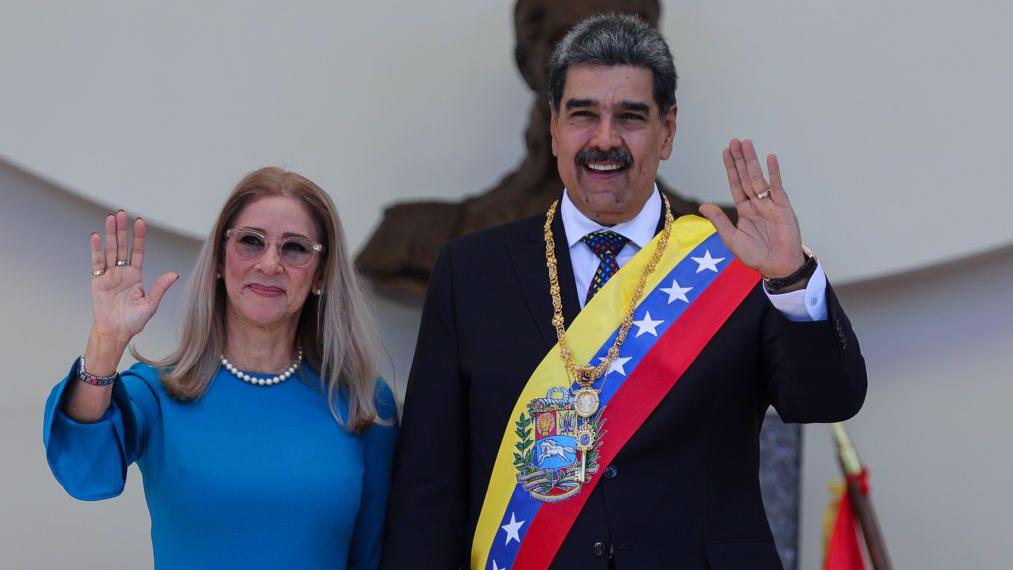
The spotlight turns sharply to Cilia Flores, Venezuela's influential first lady, as she heads to a US federal court on Monday, confronting serious charges of corruption and drug trafficking that have built up over more than a decade. As a key player in Nicolás Maduro’s government, Flores has drawn intense scrutiny, with accusations tying her to nepotism, bribery schemes, and large-scale international drug networks that have strained relations between Caracas and Washington.
Nepotism Allegations and Family Ties
Flores' political journey has often been marred by claims of favoritism, starting notably in 2012 when labor unions accused her of steering government jobs toward as many as 40 individuals, including numerous relatives. She defended the moves publicly, emphasizing her pride in her family and portraying the backlash as a personal assault rather than a question of ethics, which only fueled debates about transparency in Venezuela's leadership circles.
These family connections, while providing her with a strong support base, soon evolved into sources of deeper controversy, drawing international attention and complicating her role in the administration.
The Narco Nephews Scandal
The global stage lit up in November 2015 when Flores' nephews, Francisco Flores de Freitas and Efrain Antonio Campo Flores, faced arrest in Haiti by DEA agents for plotting to transport 800 kilograms of cocaine into the United States, marking a pivotal moment in her public image. Flores denounced the incident as a US-orchestrated kidnapping, yet the nephews received 18-year sentences in a US prison for their roles in the drug conspiracy, only to return to Venezuela in 2022 through a prisoner exchange during the Biden era.
Tensions escalated further last month, in December 2025, as the Trump administration rolled out new sanctions against these nephews and a third relative, Carlos Erik Malpica Flores, with US Treasury Secretary Scott Bessent labeling the Maduro circle as perpetrators flooding America with harmful drugs. "Treasury is holding the regime and its circle of cronies and companies accountable for its continued crimes," Bessent stated, underscoring Flores' perceived entanglement in a broader web of transnational wrongdoing that continues to unfold.
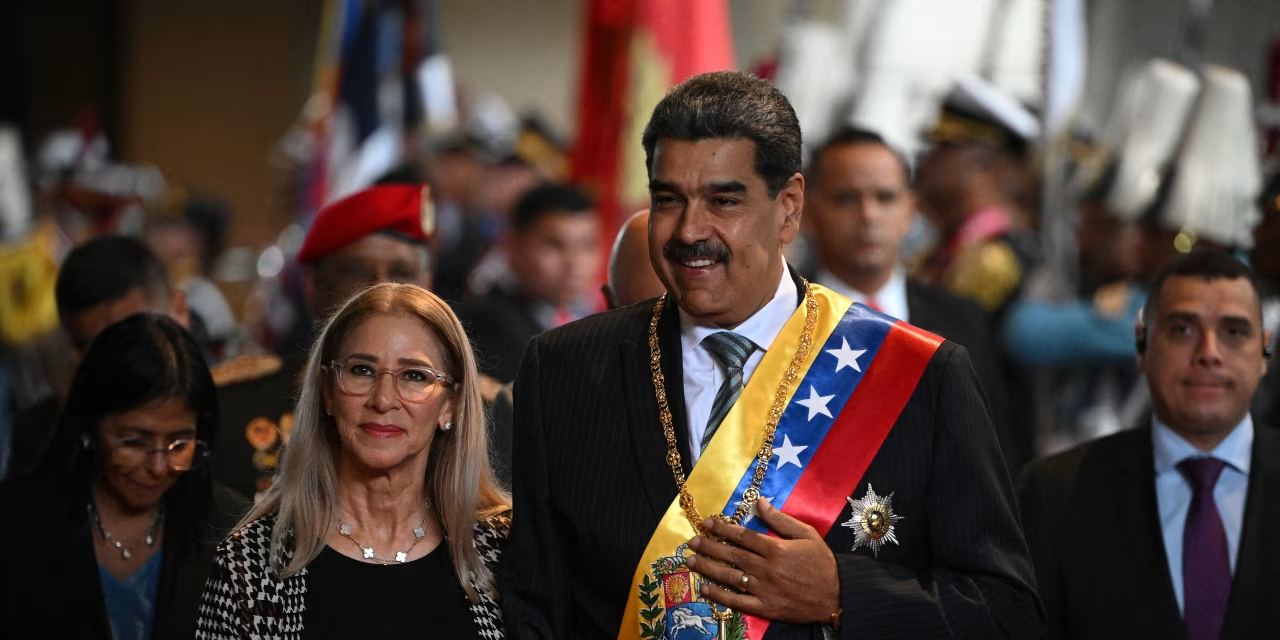
Cilia Flores and President Nicolás Maduro pose together on a red carpet, reflecting the couple’s prominence in Venezuelan political and social life.
Bribery and Corruption Charges
Freshly unsealed US indictments now point directly at Flores, claiming she pocketed hundreds of thousands of dollars in bribes back in 2007 to set up a critical meeting between a major drug trafficker and the head of Venezuela’s National Anti-Drug Office, enabling corrupt deals that allegedly facilitated cocaine shipments. The allegations detail how the trafficker then committed to ongoing monthly payments, plus $100,000 per flight, to secure safe passage for drug-laden aircraft, highlighting a pattern of abuse within anti-narcotics efforts.
Analysts view this as evidence of Flores' substantial sway, often operating discreetly within the power structure, where her actions have long evaded full public view but now face intense legal examination.
The Power Behind the Throne
Experts like Christopher Sabatini, a Senior Fellow at Chatham House, describe Flores as a formidable yet elusive force in Venezuelan politics, noting that detractors see her as integral to a government riddled with corruption, human rights violations, and brutality. "She was a power behind the throne, but like any good power behind the throne, you really didn’t see her hand that much, so no one really knew how powerful she was," Sabatini observed, capturing the intrigue surrounding her influence that has both bolstered Maduro's regime and attracted fierce criticism from opponents.
Her role, blending family loyalty with political maneuvering, has cemented her status as a central figure, yet it also exposes vulnerabilities in a system critics argue prioritizes personal gain over national welfare.
What This Means for Venezuela and the US
Monday's court proceedings, set against the backdrop of Maduro's own impending appearance on similar charges, could reshape US-Venezuelan dynamics, intensifying sanctions enforcement and challenging the regime's grip amid ongoing claims of economic mismanagement and global drug involvement. Flores' case transcends individual accountability, testing whether international pressure can dismantle networks accused of fueling narcotics flow and corruption, potentially signaling shifts in anti-drug strategies and diplomatic ties.
As developments progress, observers anticipate ripple effects on Venezuela's internal stability and its relations with the United States, where resolve to combat such activities remains firm under renewed leadership focus.
Unraveling the Mystery: Common Questions Explored
What Role Does the Cartel of the Suns Play in These Allegations?
The Cartel of the Suns refers to an alleged network of high-ranking Venezuelan military officials involved in drug trafficking, named after the sun insignias on generals' uniforms, and US prosecutors link it directly to Maduro and Flores through indictments accusing them of using government resources to ship cocaine abroad.
This group reportedly coordinated with Colombian guerrillas to move tons of drugs, generating billions in illicit revenue that propped up the regime during economic crises, with evidence from wiretaps and informant testimonies revealing how military aircraft and ports facilitated operations, extending the scandal beyond family ties to institutional complicity that has prompted multiple international investigations since the early 2000s.
How Did US Authorities Capture Cilia Flores and Nicolás Maduro?
US forces conducted a targeted military operation in Venezuela last week, capturing Flores and Maduro in a swift raid that involved special operations teams, following years of building a case through intelligence gathering and indictments, with the action justified under narco-terrorism charges to bypass traditional extradition hurdles.
This unprecedented move, approved at the highest levels of the Trump administration, drew on satellite surveillance and local tips to locate the couple, marking a bold escalation in US foreign policy toward regime change, though it has sparked debates on sovereignty and potential backlash from Maduro's allies like Russia and China, who condemned the intervention as illegal.
What Other Family Members Face Scrutiny in Venezuela's Corruption Probes?
Beyond the narco nephews, investigations target figures like Maduro's stepson, Nicolás Ernesto Maduro Guerra, known as Nicolasito, accused of money laundering through state oil company PDVSA, and other relatives such as Malpica Flores, who held key financial roles enabling embezzlement of billions from public funds.
These probes, spanning US and European authorities, reveal a pattern of nepotism where family members allegedly siphoned resources from mining, food imports, and currency exchanges, contributing to Venezuela's humanitarian crisis by diverting aid, with recent sanctions freezing assets and travel bans aimed at dismantling this extended network that has evaded accountability for years amid political protections.