
An anonymous trader turned a $32,500 bet into more than $436,000 by wagering on the capture of Venezuelan President Nicolás Maduro, hours before the official announcement shook the world. This massive payout, revealed through blockchain data, has ignited debates about possible insider information tied to the US military operation. On Polymarket, a cryptocurrency-driven prediction platform, users bet on everything from elections to global events, and this case highlights the platform's growing influence amid geopolitical turmoil.
The bettor's account, created just last month, focused solely on Venezuela with four strategic positions that paid off handsomely. As details emerge from the January 3 capture, experts scrutinize the timeline, suggesting the win might stem from privileged knowledge rather than sheer luck. With crypto markets enabling rapid, borderless transactions, such events underscore the blend of finance and politics in today's digital landscape.
The Suspicious Timing of the Bet
Data from Polymarket indicates that odds of Maduro leaving power stood at a mere 6.5% on January 2, yet they climbed to 11% shortly before midnight, escalating further in the early hours of January 3. This shift occurred right before former President Donald Trump posted on Truth Social about the successful capture, prompting immediate speculation. Analysts point out that such abrupt changes often signal trades informed by nonpublic details, especially given the operation's secrecy.
Dennis Kelleher, CEO of Better Markets, a group pushing for financial reforms, shared his view with CBS News, noting the bet displays classic signs of insider activity. Several other users on the platform also profited, raking in tens of thousands from similar wagers, which adds to the intrigue surrounding this high-stakes gamble. As blockchain records remain transparent yet anonymous, tracing the source proves challenging, fueling online discussions and investigations.
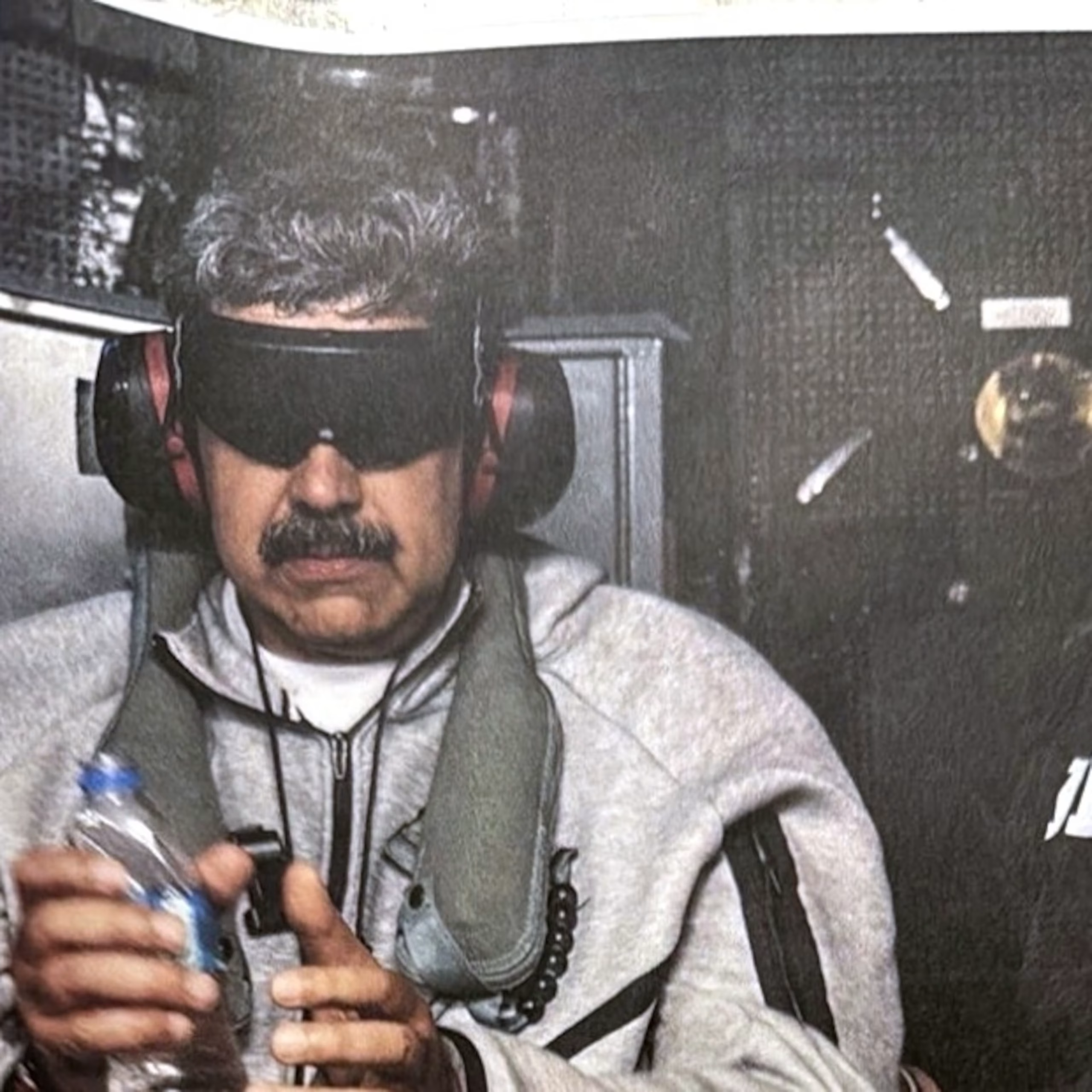
Nicolás Maduro is seen aboard a U.S. warship under military custody after his capture, marking a dramatic turning point in the international case against the former Venezuelan leader.
Latest Developments in Maduro's Case
Just yesterday, on January 5, ousted Venezuelan leader Nicolás Maduro made his first US court appearance, pleading not guilty to charges including drug trafficking and corruption. Reports from PBS and NBC detail how he was escorted by DEA agents, marking a swift progression from capture to legal proceedings. Venezuelans worldwide, including communities in the US, erupted in celebrations, with videos capturing joyous crowds as news spread.
Military experts, like those writing for The Conversation, explain the operation involved a CIA team breaching steel doors in a predawn raid, coordinated with precise intelligence. The CSIS analysis highlights potential power vacuums in Venezuela post-capture, with interim leadership discussions underway. These updates, fresh as of January 6, emphasize the ongoing ripple effects of the event on international relations and domestic politics.
Congress Responds to Prediction Market Concerns
In response to the controversy, New York Democrat Congressman Ritchie Torres introduced a bill on January 5 that aims to prohibit government employees from trading on prediction markets if they possess material nonpublic information. This move reflects growing unease about platforms like Polymarket and Kalshi, which have seen billions in wagers on topics ranging from US elections to geopolitical shifts. While stock markets enforce strict insider trading bans, these crypto venues operate in a less regulated space, allowing bets that sometimes border on ethical gray areas.
Torres's legislation seeks to close loopholes, ensuring fairness in an industry that's exploded in popularity. Advocates argue it protects public trust, while critics worry about overreach in a free-market innovation. As debates heat up in Washington, this incident could accelerate broader regulatory frameworks for digital betting.
The Trump Family's Ties to Prediction Platforms
Adding another layer, Donald Trump Jr. holds advisory positions at both Kalshi and Polymarket, blurring lines between political power and crypto speculation. This connection raises questions about influence, though no direct links to the Maduro bet have surfaced. Kalshi's policy explicitly bans insider trading, including by government insiders, yet enforcement in decentralized systems remains tricky.
Trump's announcement of the capture via his platform further intertwines family business with national actions, sparking media scrutiny. Observers note this highlights how personal networks in tech and politics can amplify financial opportunities, even as platforms insist on integrity.
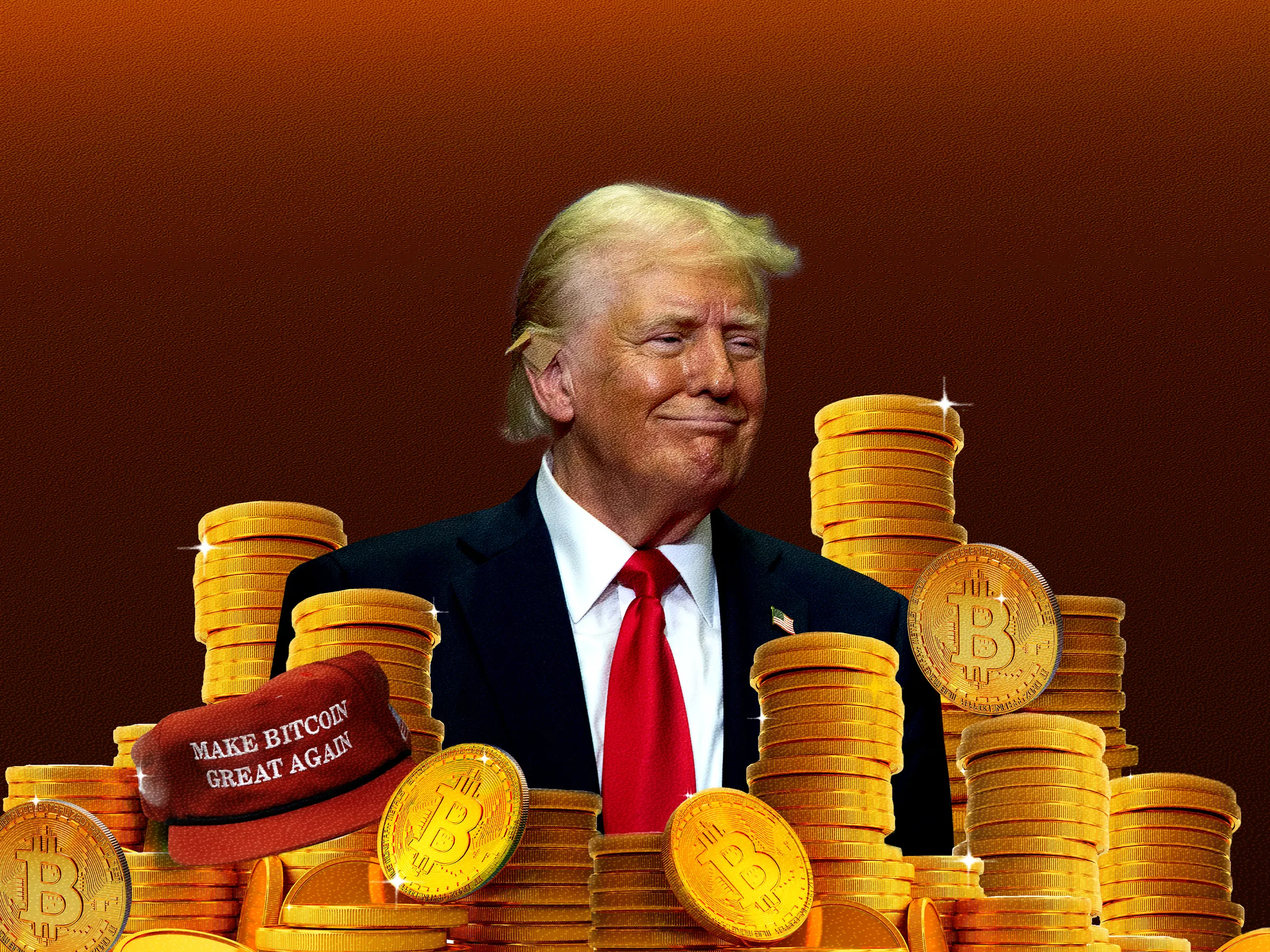
President Trump with a digital representation of Bitcoin, highlighting his $870 million stake in the cryptocurrency market.
Why This Matters for Crypto and Politics
The Maduro wager exposes the dual edges of prediction markets, where massive gains coexist with risks of manipulation. For everyday investors drawn to crypto's allure, the potential for quick profits is tempting, but the lack of clear rules invites ethical dilemmas. Regulators now face the challenge of adapting traditional laws to this fast-evolving space, balancing innovation with accountability.
On a broader scale, it prompts reflection on how information flows in our connected world, where a single bet can signal major events before they hit headlines. As these platforms grow, they could reshape how we anticipate and react to global news, demanding greater transparency to maintain public confidence.
Digging Deeper: Key Questions on the Maduro Betting Scandal
What Was the US Military Operation Like to Capture Maduro?
The capture unfolded as a meticulously planned special operation on January 3, involving a CIA-led team that breached fortified doors in Maduro's residence during predawn hours. According to military strategists, it required precise coordination, including a fateful phone call to confirm his location, followed by swift extraction via aircraft. This raid, described in detail by sources like NBC News, avoided major casualties but targeted key regime figures, leading to Maduro's immediate transfer to US custody. Experts emphasize the role of advanced intelligence gathering over months, highlighting how such missions blend technology, human assets, and rapid deployment to achieve objectives in hostile environments.
How Has the International Community Reacted to Maduro's Capture?
Reactions vary widely, with some nations condemning the US action as a violation of international law, as noted by Chatham House analysts who argue it lacks justification under global norms. Allies like Russia and China have voiced strong opposition, while many Western countries quietly support the move amid Venezuela's humanitarian crisis. Within Venezuela, interim leaders are navigating power transitions, with CSIS reports suggesting potential for democratic reforms but risks of instability. Globally, celebrations among Venezuelan expatriates contrast with diplomatic tensions, prompting calls for UN involvement to address sovereignty concerns and ensure a stable post-Maduro era.
Are Prediction Markets Like Polymarket Regulated, and What's Next for Them?
Prediction markets operate in a regulatory gray zone, lacking the stringent oversight of traditional stock exchanges, which allows for anonymous bets but raises insider trading risks. Platforms like Polymarket use blockchain for transparency, yet as Axios and The Guardian report, they've faced scrutiny after events like the 2024 election wagers. Looking ahead, Torres's bill could impose bans on insiders, potentially leading to CFTC or SEC involvement for clearer rules. This evolution might enhance legitimacy, attracting more users while deterring abuse, but it also challenges the decentralized ethos that made them popular in the first place.
The Bottom Line
This overnight transformation of $32,500 into $436,000 exemplifies the raw power and inherent complexities of crypto prediction platforms. With congressional attention intensifying and figures like Trump Jr. in the mix, the Maduro incident signals a pivotal moment, urging a reevaluation of fair practices in politically infused digital gambling.