
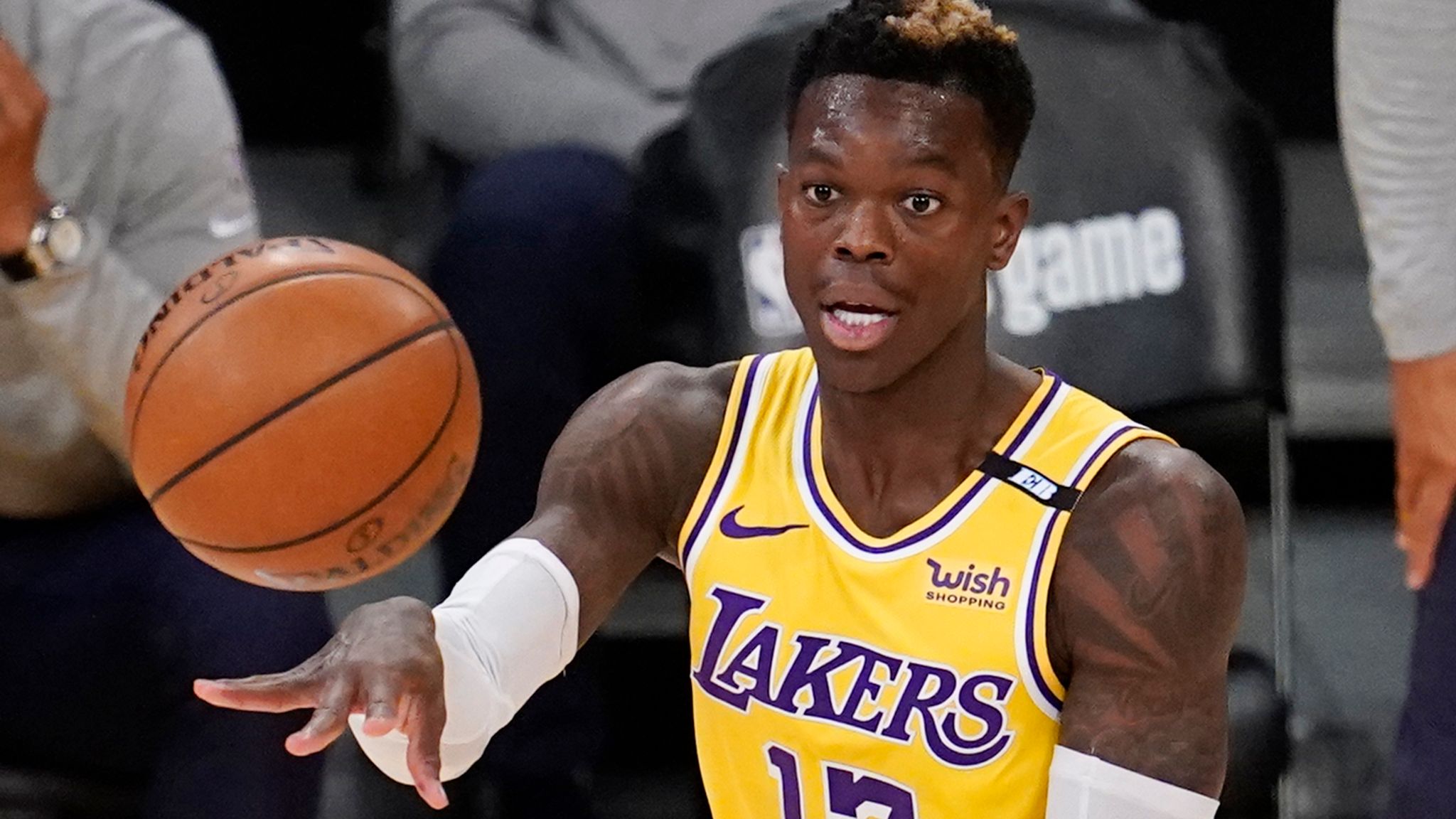
Dennis Schroder is adjusting to a new chapter with the Cleveland Cavaliers after years of missed opportunities and abrupt team changes. This week marks his arrival in Cleveland, but the point guard’s journey over the past five years has been defined by sudden trades, shortened stints, and contracts far below what he might have secured. The fallout from turning down a $84 million deal from the Lakers in 2021 is still being felt.
At the time, Schroder was entering free agency after completing a four-year, $70 million contract with the Atlanta Hawks. He had averaged at least 15 points and 4 assists per game for five straight seasons, showing growth in his three-point shooting and hoping for a significant pay raise. Teams, however, reacted differently. The NBA market for point guards cooled quickly, and his performance in Los Angeles — lower scoring, field goal, and three-point percentages compared to his Oklahoma City tenure — left clubs hesitant.
Schroder’s first major move after the Lakers’ offer was signing a one-year, $5.89 million deal with the Boston Celtics. His time there lasted only 49 games before a trade sent him to the Houston Rockets, who allowed him to walk in free agency. He returned to the Lakers, but only at the veteran minimum of about $2.64 million. The contrast between the deal he declined and the one he settled for is stark, highlighting the personal cost of his choices.
In 2023, Schroder accepted a two-year, $25.43 million contract with the Toronto Raptors, only to be traded to the Brooklyn Nets after 51 games. The following season saw him play for three teams: 23 games with the Nets, 24 with the Golden State Warriors, and 28 with the Detroit Pistons. After helping Detroit secure its first playoff victories since 2008, the Pistons extended him to a three-year, $44.44 million contract, which immediately led to a trade to the Sacramento Kings.
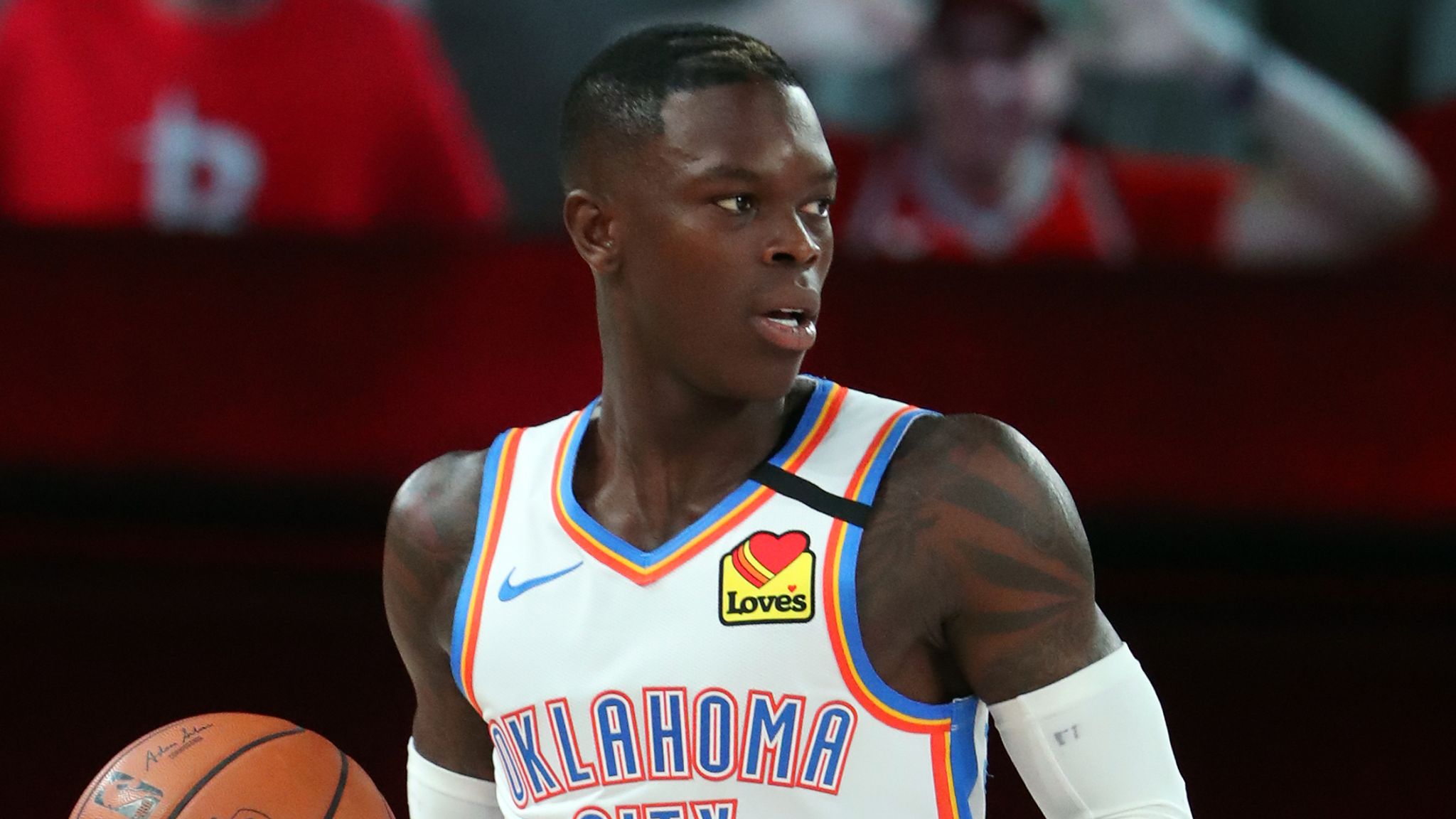
Dennis Schroder in action with the Oklahoma City Thunder, where his strong early career set the stage for his later contract decisions.
This constant movement affects both lifestyle and career stability. Schroder has had to adapt repeatedly to new locker rooms, cities, and team systems, from Boston to Houston, Los Angeles to Toronto, Brooklyn to Golden State, Detroit to Sacramento, and now Cleveland. Each relocation requires logistical adjustments, finding new housing, travel routines, and personal acclimation — all while maintaining performance under pressure.
Across seven years, Schroder has earned roughly $78.4 million, nearly $6 million less than he would have if he had accepted the Lakers’ 2021 offer. Factoring potential long-term earnings lost due to shorter contracts and unstable tenure, the cumulative impact on his income could be significantly higher. Despite the turbulence, his total NBA career earnings since 2013 stand at $117.1 million, and he is projected to earn more than $30 million over the next two seasons.
Observers have noted a pattern among NBA veterans who turn down large guaranteed contracts early in free agency. Similar decisions by players like Andre Iguodala and Eric Bledsoe also show how opting for autonomy or chasing a bigger payday can backfire when market conditions shift unexpectedly. Schroder’s journey illustrates that independence carries a tangible cost — in both finances and stability — even for seasoned professionals.
The trades and short-term contracts have forced Schroder to adapt quickly, manage frequent moves, and establish himself in multiple new systems with minimal transition time. Each game, practice, and media obligation is set against a backdrop of career uncertainty, adding personal pressure beyond the usual expectations of a professional athlete.
Now in Cleveland, Schroder faces a chance to reset his trajectory, but the larger lesson of the past five years remains. High-profile decisions made under the spotlight can ripple through a career in ways that even strong performance cannot always counter. The choice to bet on himself may have cost millions, but it has also defined a path of continual adjustment and resilience, leaving the next move open-ended and watched closely by both fans and potential suitors alike.