

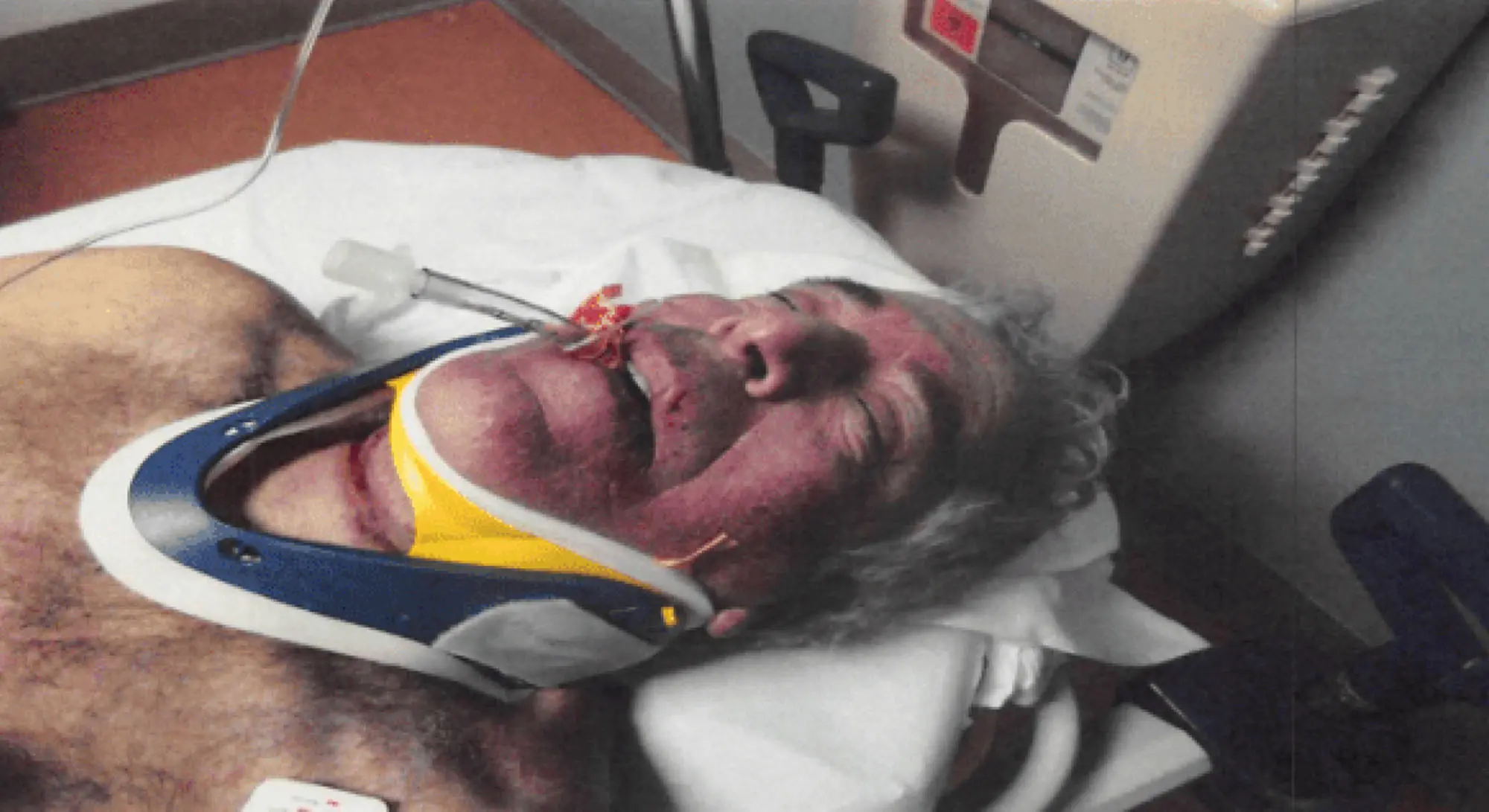
When the U.S. Department of Justice released previously unseen photographs showing Jeffrey Epstein receiving emergency medical treatment inside a federal jail, the images immediately reopened a case officials have long described as settled.
The photographs, disclosed this week as part of a broader document release, depict Epstein’s final moments inside the Metropolitan Correctional Center in New York in August 2019, including EMTs performing CPR after he was found unresponsive in his cell. Years after the government concluded Epstein died by suicide, the decision to release graphic evidence has triggered renewed scrutiny of how one of the most closely watched detainees in federal custody was left unsupervised — and why critical safeguards failed.
The disruption is no longer theoretical. With new material now public, the credibility of the federal detention system itself is again under pressure, forcing officials to confront unanswered questions that never fully went away.
What Failed Inside Federal Custody

Epstein was being held on federal sex-trafficking charges when he was found hanging in his cell during the early morning hours of August 10, 2019. At the time, authorities said routine checks had not been conducted as required, his cellmate was no longer present, and malfunctioning cameras limited the available record of his final hours.
The newly released images, taken during the emergency response and subsequent medical efforts, do not contradict the official finding of suicide. What they do is reinforce how many layers of oversight broke down simultaneously — staffing, monitoring, supervision, and internal controls — in a facility designed to prevent exactly this outcome.
Federal detention protocols exist to reduce risk for high-profile or vulnerable inmates. In Epstein’s case, multiple safeguards either failed or were not enforced, leaving no single point of accountability clearly responsible for the collapse.
Why the Photos Matter Now

The release of the images comes not from a new investigation but from the federal government itself, reopening public attention through disclosure rather than discovery. That distinction matters.
By placing new visual evidence into the public record years later, the Justice Department has revived doubts about whether the original explanations satisfied the seriousness of the failure. For many observers, the photographs are not shocking because of their content, but because they underscore how little clarity followed such an extraordinary breakdown.
Once federal custody becomes the subject of renewed skepticism, the issue extends beyond one inmate or one facility. The question shifts from what happened to Epstein to whether the system can convincingly explain how it allowed a known risk to materialize.
The Accountability Gap

No federal official has disputed the authenticity of the images or the timeline they reflect. But responsibility remains fragmented.
Frontline officers acknowledged missed rounds. Supervisory failures were cited. Equipment issues were documented. Yet no single authority has been held clearly accountable for the compounded breakdown that led to Epstein’s death.
That ambiguity continues to fuel distrust. When accountability is dispersed across procedures and personnel, institutional confidence weakens — particularly when the individual involved was under extraordinary scrutiny.
A Broader Trust Question
The Epstein case has long carried symbolic weight because it sits at the intersection of power, prosecution, and protection. His death prevented a federal trial that many believed would expose broader networks of influence and abuse.
The renewed visibility of his final moments does not answer those unresolved questions. Instead, it reinforces the perception that the system lost control at the most consequential moment — and has struggled to convincingly demonstrate how it would prevent a similar failure again.
For a justice system that relies on public confidence, that lingering uncertainty carries consequences far beyond a single case.
What Happens Next
The document release does not trigger new charges or reopen the official cause-of-death determination. But it does tighten scrutiny around federal detention practices, especially for high-risk or high-profile inmates.
Similar facilities across the country now face renewed attention over staffing levels, monitoring compliance, and internal accountability mechanisms. The trajectory is not toward resolution, but toward continued examination of whether oversight failures identified in 2019 were isolated — or systemic.
Trust Under Pressure
Once public trust erodes, restoring it becomes harder than maintaining it. The Epstein photos do not rewrite history, but they do remind the public that the most basic function of federal custody — control, supervision, and accountability — failed when it mattered most.
And years later, the system is still explaining itself.