

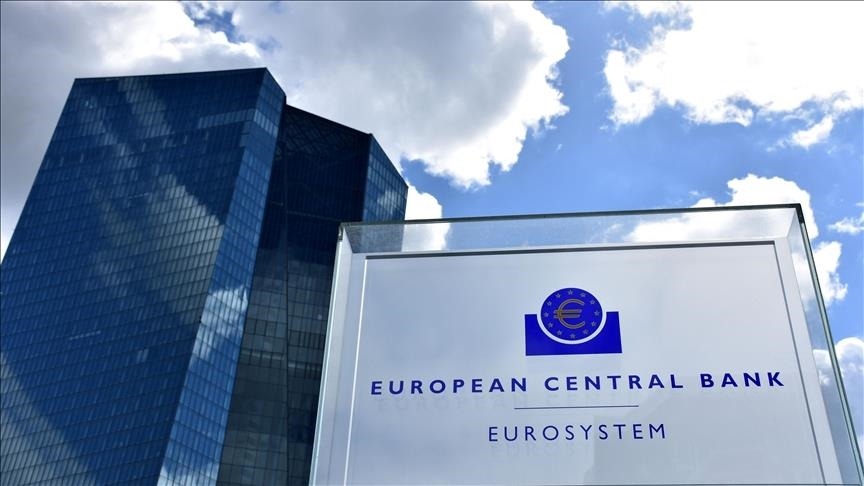
Investors are on edge as the European Central Bank holds its key interest rates steady, leaving the deposit facility at 2.00%, the main refinancing rate at 2.15%, and the marginal lending rate at 2.40%.
While the move avoids an immediate shock, it heightens concern over eurozone inflation, trade uncertainty, and rising geopolitical risks.
The ECB’s updated outlook confirms that inflation should stabilize around its 2% target in the medium term, supported by low unemployment, resilient private sector balance sheets, and ongoing public spending on defence and infrastructure.
Yet uncertainty is high, with global trade policy volatility and geopolitical pressures threatening to disrupt economic growth.
Why Investors Are Hesitant
Market participants are weighing the impact of this data-dependent, meeting-by-meeting approach. Unlike previous periods when the ECB hinted at a clear rate path, today’s statement signals flexibility but also unpredictability.
Investors holding euro-denominated assets or managing corporate borrowing costs are watching closely: any sudden change in inflation or market stress could trigger rapid shifts in bond yields and lending conditions.
Fear vs Reality
It’s natural to worry that unchanged rates could signal complacency amid rising risks. But the ECB has reaffirmed its commitment to deploy all instruments, including the Transmission Protection Instrument, to preserve market stability and enforce price stability.
In other words, while markets may jitter in the short term, the central bank stands ready to act to prevent disorderly financial shocks.
For now, eurozone businesses and investors may pause major financing or portfolio moves, keeping a close eye on economic data and global trade developments. The takeaway: rates are stable, but vigilance is required.