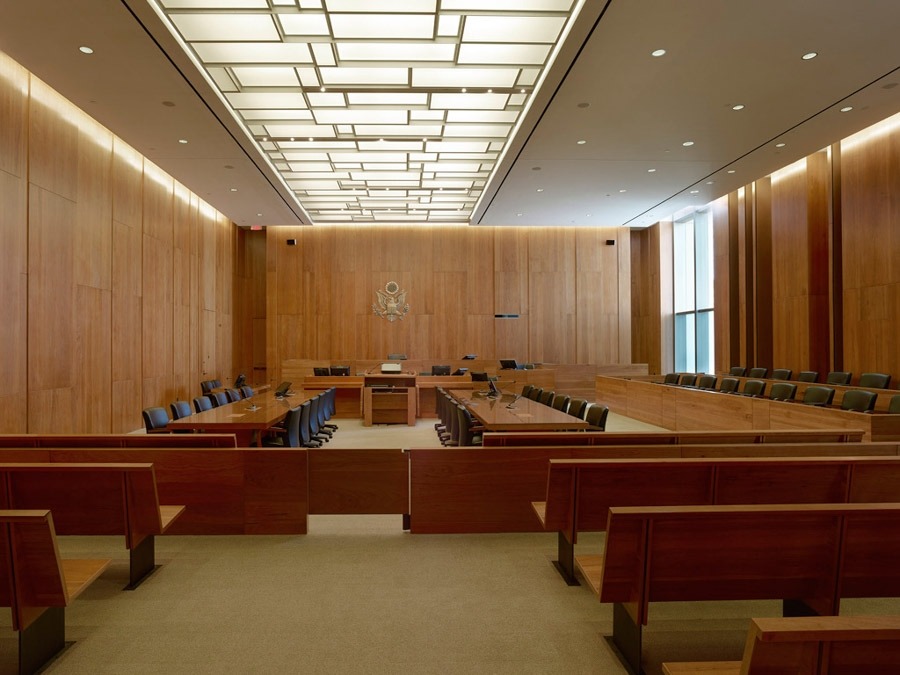
A federal judge has been formally disciplined after investigators concluded the judge had sex inside court chambers with a high-ranking police officer during work hours, later made false statements during the investigation, and attended a partisan political event — a misconduct case now raising wider concerns about judicial credibility and public trust inside the U.S. court system.
The disciplinary findings, released by the Committee on Judicial Conduct and Disability, detailed an alleged two-year affair involving a senior police officer connected to multiple matters litigated within the same federal district.
Investigators said the judge failed to disclose the relationship despite the appearance of potential conflicts involving law enforcement interests before the court.
The investigation itself became unusually extensive. A special committee reviewed security footage, visitor logs, witness testimony and forensic evidence from chambers. Investigators also conducted sound testing to determine whether staff seated outside chambers could hear activity taking place inside.
According to the findings, the judge engaged in sexual intercourse inside chambers during business hours and later made false statements during the investigation. The committee also said the relationship created potential vulnerability to extortion or blackmail while exposing court staff to what investigators described as an uncomfortable workplace environment.
One detail is likely to draw particular attention: the judge’s identity remains private.
The court system withheld the judge’s name despite findings involving judicial ethics violations, false statements and conflict concerns, while emphasizing rehabilitation and future conduct. For many readers, that may reinforce a broader frustration already visible across public life — the belief that accountability can look different depending on status and position.
The findings also land awkwardly for a judiciary that depends heavily on public confidence. Investigators noted the police department connected to the affair appeared in numerous criminal and civil matters within the district during the relationship, increasing concerns around impartiality and conflicts of interest.
Court scandals used to stay largely inside legal reporting. That no longer happens.
Ethics complaints, workplace allegations and internal investigations now spread nationally within hours, creating reputational fallout that institutions often struggle to contain once public attention intensifies. That pressure has become more visible across government, law enforcement, universities and corporate America as organizations react more aggressively to misconduct risks and public scrutiny.
Trust has also become tied more closely to economic behavior. Employers and public bodies are spending more on compliance, oversight and reputational risk management because credibility failures increasingly carry financial consequences. At the same time, many Americans already feel broader instability entering everyday life through expensive borrowing costs, housing pressure, slower hiring and weakening confidence in leadership across major institutions.
In that environment, stories involving elite misconduct tend to resonate more deeply because they reinforce a growing sense that different standards still apply at the top.
The committee said the judge later became cooperative and showed a “strong propensity for rehabilitation,” factors that contributed to a less severe disciplinary outcome. But the wider reputational damage may prove harder to contain. Courts ultimately rely on public belief that judges operate independently, fairly and without hidden influence. Once that confidence weakens, rebuilding it becomes far more difficult.
This case alone will not destabilize the American legal system. But it adds to a wider pattern increasingly shaping public sentiment across the country: institutions that once appeared insulated now look more exposed, more defensive and more vulnerable to the same tensions affecting the rest of society. For many Americans, that erosion of trust no longer feels distant. It feels increasingly visible in everyday life.