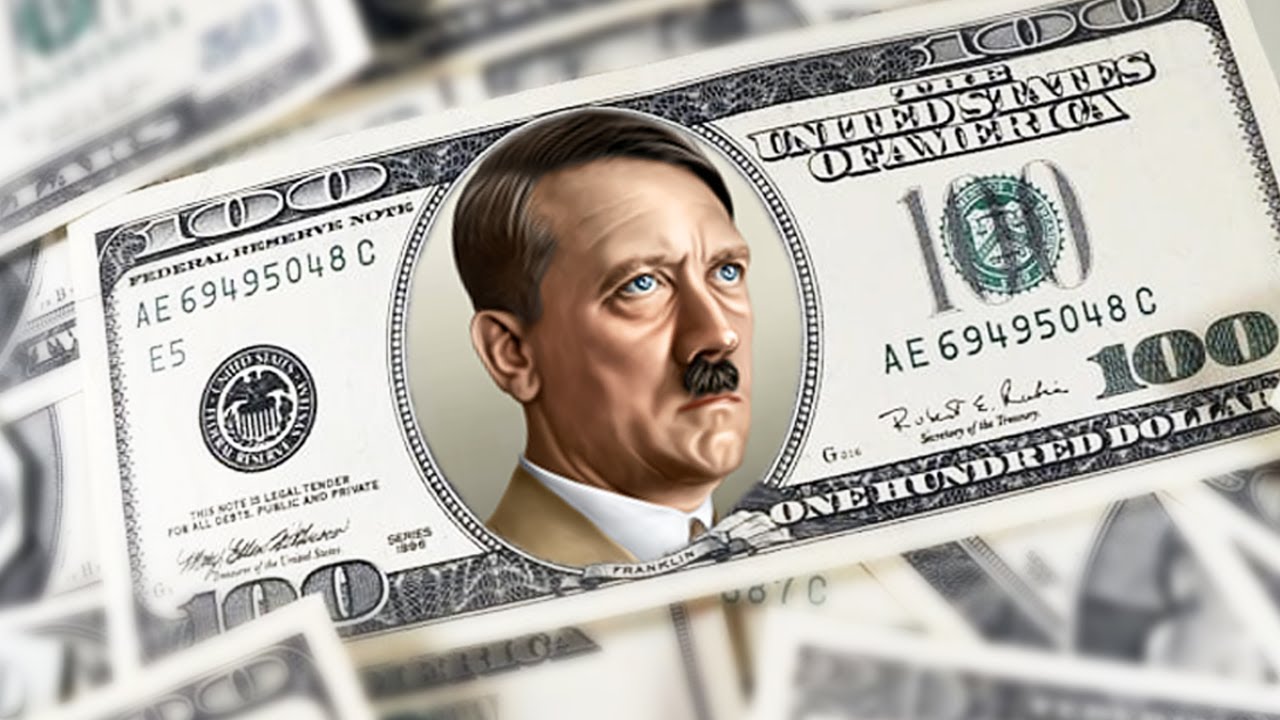
Adolf Hitler’s rise to power wasn’t fueled by rhetoric alone. His infamous book Mein Kampf made him a multi-millionaire before he even became dictator and today the royalties serve an unexpected purpose.
The Birth of a Financial Machine
Hitler began dictating Mein Kampf in 1924 while serving time in Landsberg Prison after being sentenced to five years for the failed Beer Hall Putsch though he was released after just nine months.
Initially intended to cover mounting legal debts the book’s first volume was published in 1925 and sold around 9000 copies earning Hitler modest royalties of about 19843 Reichsmarks that year equivalent to roughly $400,000 in today's money.
But as the Nazi Party gained momentum sales skyrocketed. By 1930 Mein Kampf had sold about 54,000 copies and in 1933 the year Hitler became Chancellor it sold over 850,000 copies.
Each copy bought by the German state or handed out as gifts such as to newlyweds or soldiers funneled royalties straight to Hitler’s pockets creating a financial engine to support his political ambitions. By 1939 the book had sold 5.2 million copies in 11 languages and total sales reached around 12 million by the end of World War II.
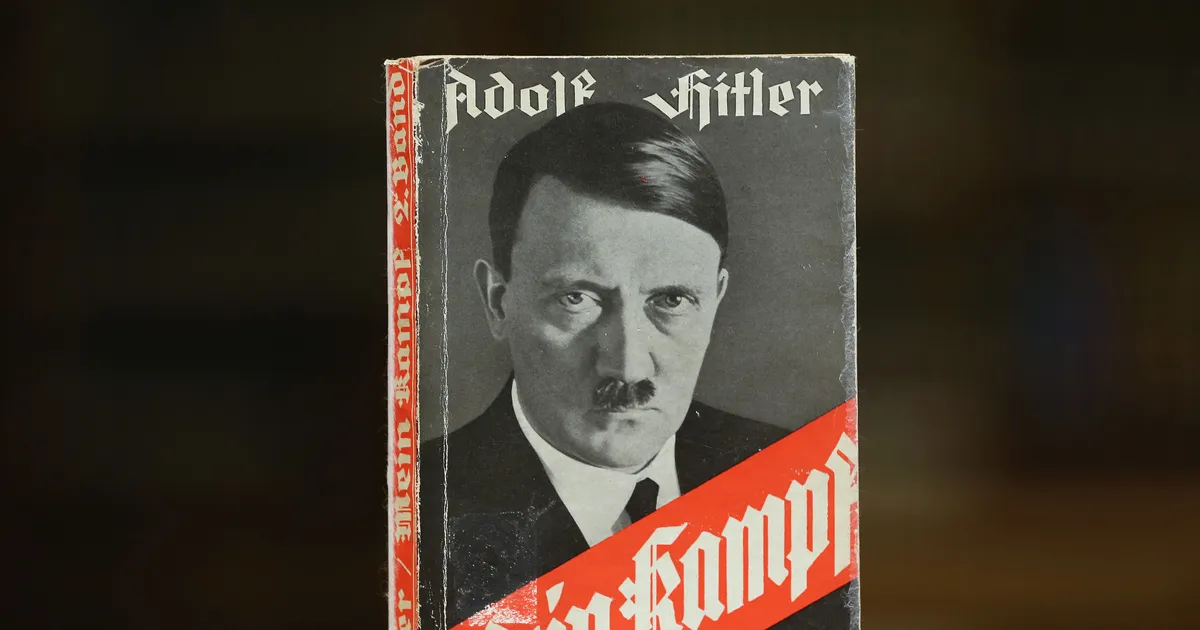
The front cover of Mein Kampf, the book that made Hitler a multi-millionaire, with today’s legitimate sales funding Holocaust education and remembrance efforts.
From Bestseller to Multi-Millionaire
By the mid-1930s Hitler’s income from the book alone exceeded $1 million per year roughly $22 million in today’s money. Adjusted for the size of the German economy at the time his annual earnings from royalties would equate to approximately $220 million in 2026 USD.
In 1933 alone he earned 1.2 million Reichsmarks from sales equivalent to about $10 million today when the average teacher's salary was just 4,800 Reichsmarks annually.
Total royalties from Mein Kampf during his lifetime are estimated at around 7.8 million Reichsmarks contributing to a personal fortune worth the equivalent of half a billion dollars in modern terms.
With this money Hitler financed a lavish lifestyle. He bought custom Mercedes-Benz vehicles renovated the Berghof estate into a sprawling mountain compound with screening rooms tennis courts and extensive guest facilities and enjoyed the perks of political office.
He even secured a retroactive tax exemption in 1934 waiving a debt of 405,500 Reichsmarks equivalent to about $3.5 million today and declaring himself tax-exempt for life legally erasing his personal tax liability while maintaining his wealth.
Royalties During the Nazi Era
The German government became Hitler’s largest customer distributing Mein Kampf to soldiers citizens and newlyweds purchasing six million copies by 1939 alone, international sales added to the fortune.
Between 1933 and 1939 the book was translated into 16 languages generating foreign royalties until the outbreak of war. In the UK for example a serialized edition during WWII led to royalties of about $500 around $40,000 today being donated to the British Red Cross amid public outcry.
Later postwar UK re-releases generated £100,000 in royalties from 1975 to 2001 which were donated to the German Welfare Council.
The U.S. government intervened in 1939 under the Trading with the Enemy Act seizing royalties and directing over $20,000 in funds by 1945 to the War Claims Fund for refugee charities and POWs. By 1979 cumulative seized royalties reached $139,000 eventually paid out to claimants including American ex-POWs.
Who Profits from “Mein Kampf” Today?
After Hitler’s death in 1945 his nephew Leo Raubal had a legal right to royalties but refused to accept any "blood money" renouncing claims despite pursuing them briefly in the 1960s and 1970s. The copyright was transferred to the State of Bavaria which blocked publication in Germany for 70 years to prevent the spread of Nazi ideology.
As of January 1 2016 the copyright expired and Mein Kampf entered the public domain.
Today anyone can sell the book digitally or in print. Major publishers such as Houghton Mifflin Harcourt in the U.S. historically donated profits to Holocaust education and Jewish charities ensuring the royalties serve humanitarian purposes for instance donating all accrued profits after a 2000 exposé revealed $300,000–$700,000 in earnings from 15,000 annual copies.
In Germany an annotated critical edition published in 2016 by the Institute of Contemporary History sold 85,000 copies in its first year with proceeds supporting educational efforts.
However independent e-book sellers sometimes profit from cheap digital copies highlighting a tension between historical accountability and free-market publication. Platforms like Amazon have pledged to donate profits from such sales to organizations supporting Nazi victims.
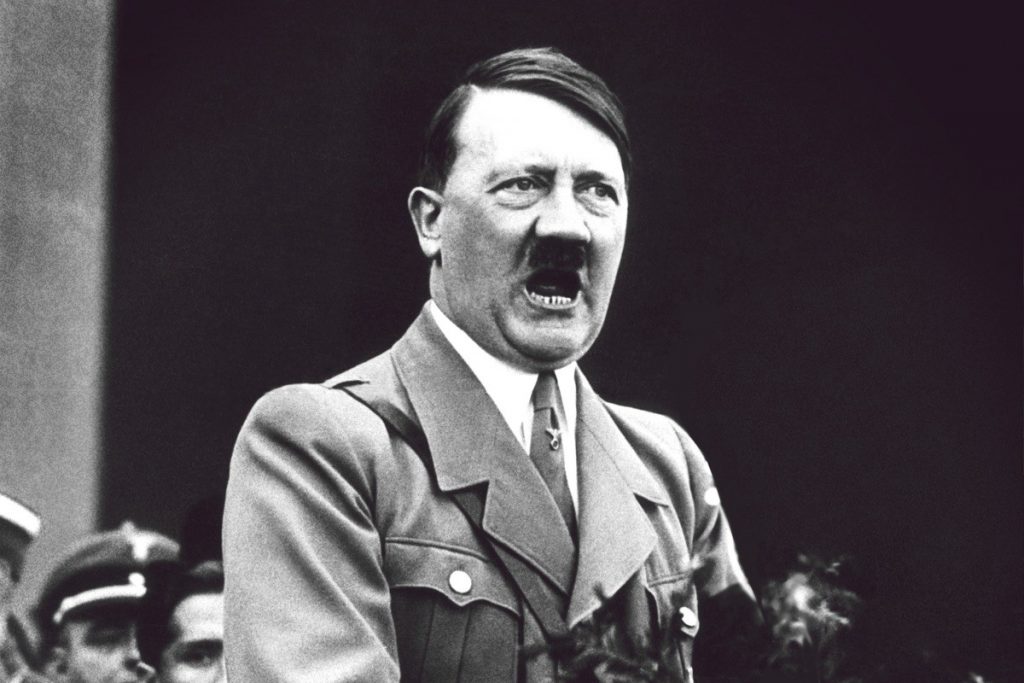
This image shows Hitler delivering a speech, illustrating how his wealth from Mein Kampf helped fund the Nazi rise to power and influence millions.
Hitler’s Other Income Streams
Hitler didn’t just make money from books. He licensed his image to the state for propaganda purposes appearing on stamps posters and other official materials claiming royalties that added millions more to his wealth for example 50% of revenues from stamps bearing his likeness.
Photographers and state agencies acted as proxies but profits flowed to Hitler himself. He also received lavish donations from industrialists and the "Adolf Hitler Spende" fund which collected millions from businesses like IG Farben and Deutsche Bank. Additionally after becoming Chancellor he drew salaries from both that role 60,000 Reichsmarks annually and later the Presidency after Hindenburg's death.
His early watercolors from Vienna occasionally fetch $30,000–$50,000 at auction today though many were seized by the U.S. government after the war. Surviving distant relatives have maintained a strict “pact of silence” refusing to profit from his name or estate.
A Twisted Legacy of Capital and Ethics
The story of Hitler’s wealth reminds us that financial power can shape history for good or ill. Mein Kampf made him rich enough to fund a dictatorship yet today the royalties are often used to combat the ideology he championed funding education and remembrance programs.
In a bitter irony the very book that once bolstered a tyrant now helps ensure his ideology never rises again. Millions of digital copies sold today may generate only cents per download but those cents are frequently redirected toward humanitarian causes and historical accountability a moral turn for one of history’s most infamous fortunes.