A renewed spike in geopolitical tension around the Strait of Hormuz is pushing oil markets back into a risk-sensitive posture just as global supply is forecast to expand in 2026.
International Energy Agency (IEA) data show world oil demand is expected to rise by 850 kb/d in 2026, while global supply is projected to increase by 2.4 mb/d, suggesting a fundamentally well-supplied market. Yet recent price action tells a more fragile story. Benchmark crude rose roughly $10 per barrel in January, and WTI futures have traded above $70–$74 per barrel amid escalating Middle East tensions and shipping security concerns.
The disconnect matters. For finance leaders, the current setup is less about immediate shortage risk and more about how quickly geopolitical friction can reprice energy, inflation expectations and rate assumptions.
A Market That Looks Comfortable — But Isn’t
On paper, the oil balance appears manageable.
The IEA reports that global inventories built sharply in 2025, rising by 477 million barrels over the year, with further stock increases observed into early 2026. Supply growth is expected to be split roughly evenly between OPEC+ and non-OPEC+ producers, reinforcing the view that the physical market should remain adequately supplied.
However, price behaviour in early 2026 suggests traders are increasingly sensitive to disruption risk. Trading Economics data indicate WTI crude recently surged more than 4–7% in single sessions as markets reacted to intensifying hostilities and warnings that vessels transiting Hormuz could be targeted.
Finance Monthly analysis: Markets are not pricing a base-case shortage — they are pricing optionality around disruption. That distinction is critical for corporate planning.
Why the Strait of Hormuz Still Commands a Premium
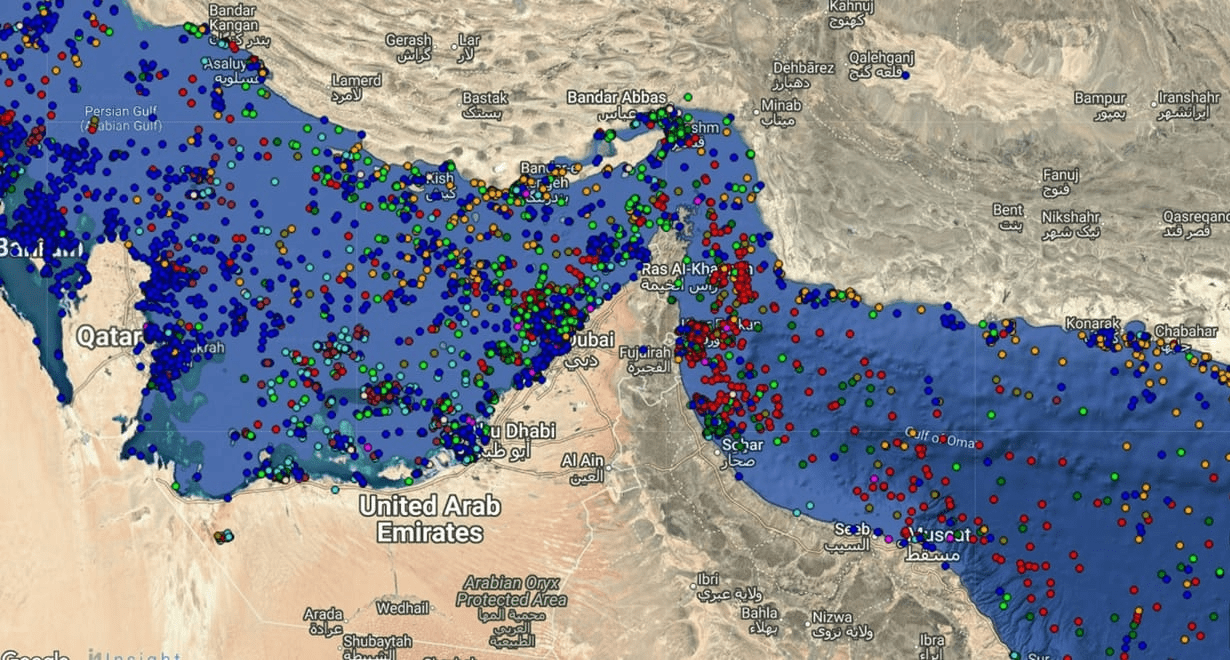
The Strait of Hormuz remains one of the world’s most strategically sensitive energy chokepoints. Market commentary cited in your materials notes the waterway handles roughly one-fifth of global oil shipments, meaning even perceived disruption risk can move prices quickly.
Recent developments have already prompted some shipping rerouting and heightened security concerns. While flows have not been formally shut, the market response highlights how little spare confidence exists when geopolitical risk rises in the Gulf.
For CFOs and treasury teams, the key takeaway is not that a closure is imminent — your sources do not say that — but that price volatility can accelerate well before any physical disruption occurs.
The Inflation Channel Is Back in Play
Higher crude prices feed directly into the macro conversation.
The IEA notes that geopolitical tensions were among the factors that helped push benchmark prices higher at the start of the year. With oil recently trading in the $70–$75 per barrel range, energy is once again a potential upside risk to note.
Finance Monthly analysis: if sustained, renewed energy strength could complicate the disinflation path that markets had begun to price for 2026.
This does not imply an immediate inflation shock. But it does mean:
-
energy input costs remain volatile
-
transport and logistics exposure stays elevated
-
central banks may face a less predictable inflation glide path
For rate-sensitive sectors, that uncertainty matters more than the absolute oil price level.
Supply Growth Provides a Buffer — For Now
It is important not to overstate the immediate risk.
The IEA continues to project that global oil supply will rise by 2.4 mb/d in 2026, comfortably outpacing demand growth of 850 kb/d. Inventories have also been building, and refinery activity is expected to expand modestly this year.
In other words, the structural balance is not currently tight.
Finance Monthly analysis: the present risk profile is best understood as geopolitical volatility layered on top of a fundamentally supplied market, rather than a classic supply-driven oil shock — at least based on current data.
That distinction should temper worst-case narratives while still keeping risk teams alert.
What Institutional Investors and CFOs Are Watching
Based strictly on your source signals, several monitoring points stand out:
Near-term watch factors
-
security conditions in the Strait of Hormuz
-
further shipping rerouting behaviour
-
persistence of the recent price momentum
-
confirmation of the IEA’s projected supply rebound
Balance-sheet sensitivity areas
-
energy-intensive industrial margins
-
transport and aviation fuel exposure
-
inflation-linked cost structures
-
rate-sensitive financing assumptions
Finance Monthly analysis: the risk is less about an immediate energy shock and more about volatility feeding back into inflation expectations and rate pricing if tensions persist.
Strategic Bottom Line
Current data do not point to an imminent global oil shortage. The IEA still expects supply growth in 2026 to outpace demand, and inventories have been rebuilding.
However, recent price moves underline how quickly geopolitical stress around the Strait of Hormuz can reintroduce energy volatility into the macro outlook.
For finance leaders, the prudent stance is not crisis positioning but renewed sensitivity to energy-driven inflation and rate risk. In the current environment, even a well-supplied oil market can become a source of financial volatility faster than balance sheets typically adjust.