
Jeffrey Epstein’s emails reveal a world of opportunity that was almost within his grasp. Through contacts like Elon Musk, Peter Thiel, and Bill Gates, he had access to some of the most valuable tech startups of the 2010s.
Yet analysts reviewing the Department of Justice documents released in early 2026 highlighted how Epstein walked away from deals that could have earned him hundreds of millions of dollars.
For ordinary readers, it shows how access alone doesn’t always translate into financial gains. The documents, part of a massive trove exceeding three million files, underscore Epstein's strategy of leveraging high-profile tech figures to pursue investments while often concealing his involvement due to his tarnished reputation.
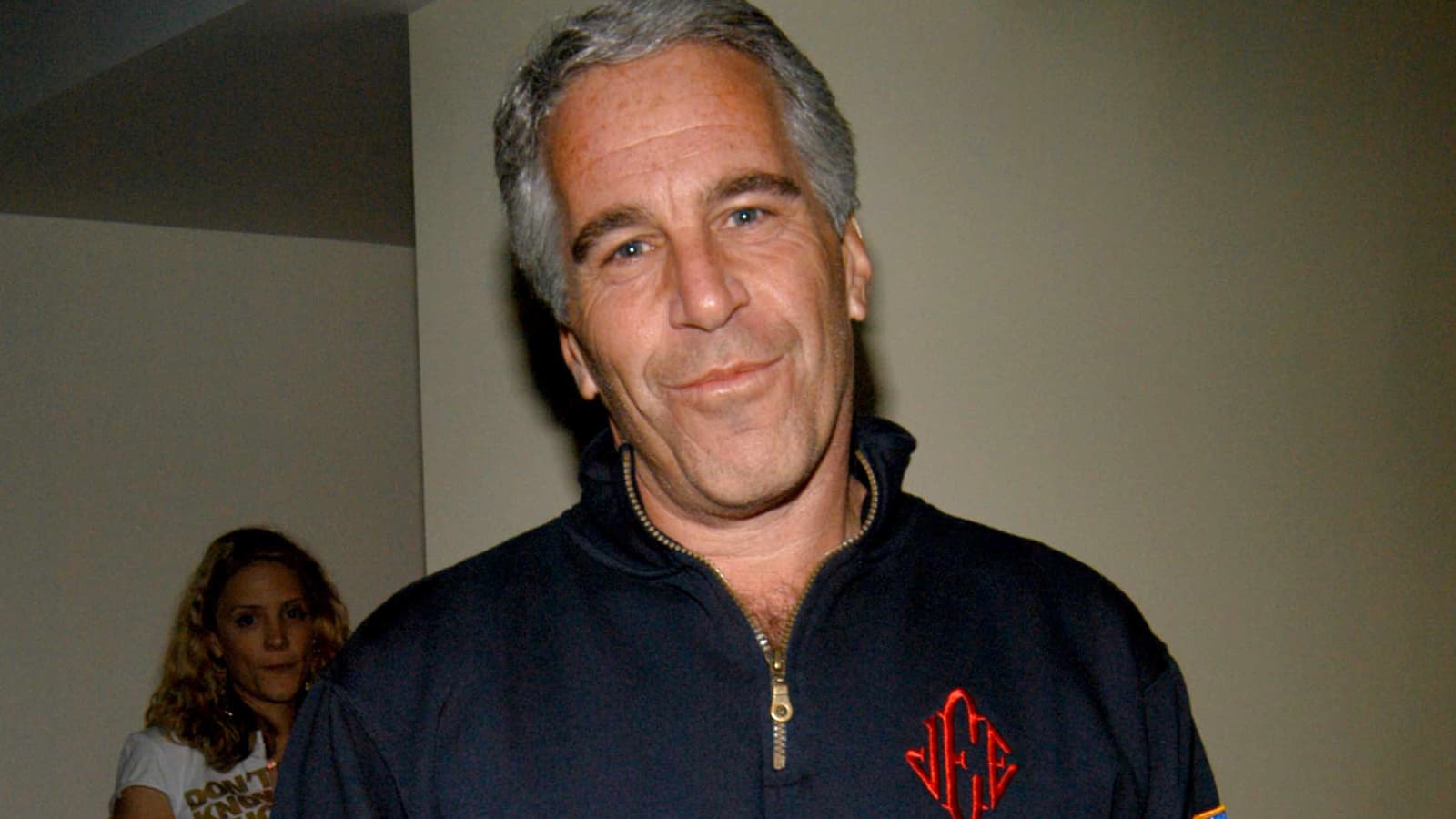
Jeffrey Epstein, the disgraced financier whose vast property empire became central to investigations into sex trafficking and abuse.
Connections at the Highest Level
The emails show Epstein meeting with Peter Thiel multiple times, swapping introductions to academics, tech founders, and even government officials.
He invested $40 million into Thiel’s Valar Ventures, backing startups outside Silicon Valley like Wise and Xero, which had grown substantially by 2025. Epstein also placed $3 million into Coinbase early on, eventually selling part of it for $15 million before the company’s IPO.
These moves highlight his proximity to tech’s top tiers, yet they also expose how selective decisions or hesitation left major gains unrealized. Additionally, Epstein showed early interest in Bitcoin as far back as 2011, discussing it with Thiel and exploring opportunities in crypto firms like Blockstream through introductions from Brock Pierce, a Tether co-founder.
Opportunities Passed
Epstein considered stakes in companies like Spotify and Palantir but ultimately passed, following advice from Thiel. In hindsight, these were lost fortunes. Spotify’s valuation reached $27 billion at its IPO, and Palantir peaked on the Nasdaq near $494 billion.
Even SpaceX and other emerging tech firms appear to have offered secondary shares that Epstein never took. Documents suggest that despite his network, he often walked away from opportunities that today would have been life-changing investments.
For instance, in 2017, an associate offered him secondary shares in SpaceX at a $22 billion valuation, but he ignored the chance, missing out on what became one of the most valuable private companies.
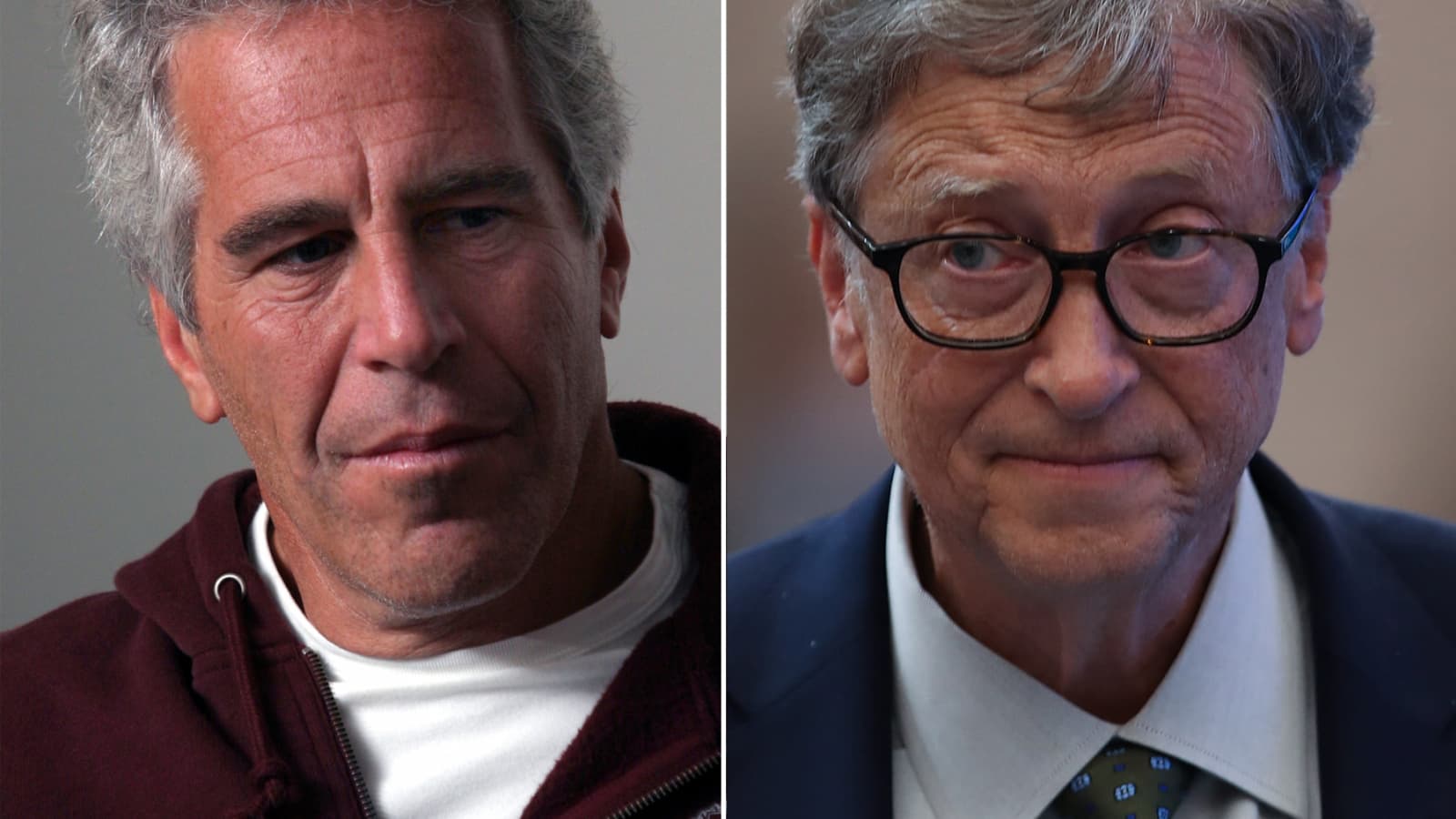
The newly released Epstein files expose interactions between billionaire Bill Gates and Jeffrey Epstein, raising questions about their past association.
Wins Were Limited
Some investments did pay off. Valar Ventures’ portfolio ballooned from Epstein’s $40 million to roughly $170 million. Coinbase returned a modest but tangible profit.
Other ventures, like Jawbone, failed entirely, costing Epstein $10 million. Honeycomb, a hedge fund-backed vehicle, captured $70 million of Epstein’s funds but was mostly liquidated after his 2019 conviction. The pattern shows that even with direct access, gains in Silicon Valley were neither guaranteed nor evenly distributed.
Epstein's involvement in Coinbase came through Blockchain Capital, and emails indicate the company's leadership was aware of his role, highlighting how his money flowed into the burgeoning crypto sector despite his controversial background.
Reputation and Risk Shaped Decisions
The documents also reflect how reputation concerns influenced actions. Associates warned Epstein about potential backlash from the CFTC or investors Googling his name.
Emails discussed masking his identity for certain investment calls and avoiding exposure in high-profile tech deals. It appears that perceived social and regulatory risks affected which ventures he pursued, leaving some of the most lucrative opportunities untouched.
This secrecy was key to his approach, allowing him to use figures like Thiel and Gates as gateways while minimizing public scrutiny tied to his 2008 conviction for sex crimes.
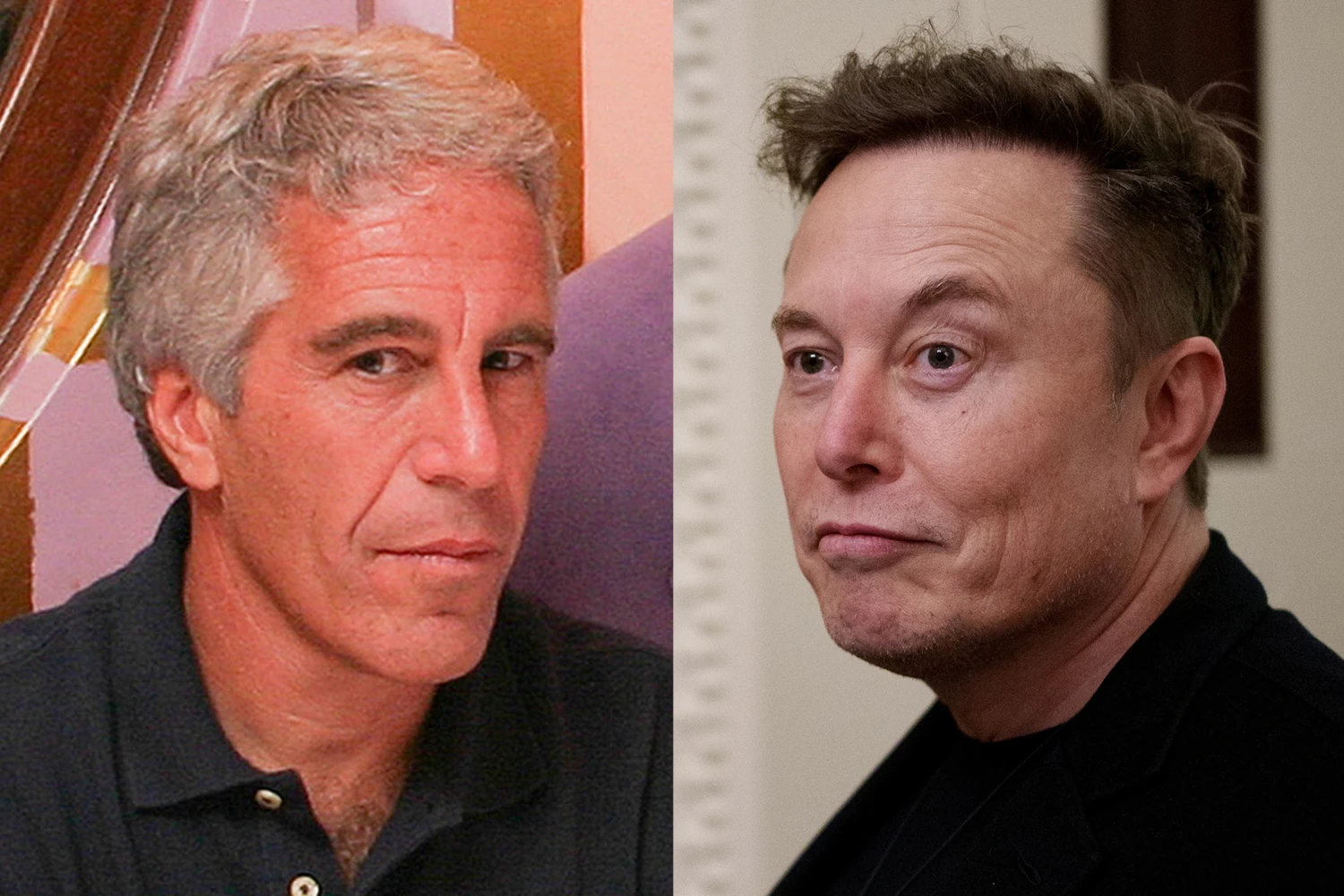
Newly released Epstein files reveal Elon Musk’s communications with Jeffrey Epstein, including inquiries about visiting the financier’s private island.
What This Reveals About Capital Access
Epstein’s story illustrates that proximity to billionaires does not automatically translate into massive returns. Being in the right room mattered, but execution, timing, and strategic decisions were equally critical.
Even someone with extraordinary connections lost millions by hesitating or passing on stakes, showing that capital is only as effective as the moves made with it. The files also shed light on broader Wall Street ties, with Epstein maintaining accounts at over 20 banks and transactions with hedge funds like those run by Paul Tudor Jones, further embedding him in elite financial circles.
The Takeaway Without Closure
Looking at Epstein’s tech moves, readers are left to imagine what it takes to actually convert access into fortune. How much was opportunity lost to caution, poor advice, or misjudged timing? And how much of tech wealth is about knowing the right people versus acting decisively once access is granted?
The documents leave these questions unresolved, letting the story linger in the reader’s mind. As more files emerge from the DOJ's ongoing releases, they continue to expose the intricate web of influence that Epstein navigated in Silicon Valley.