
The saga of Kanye West's once-glamorous Malibu mansion takes another heartbreaking twist this week, as its current owner grapples with a massive loan default that threatens to strip away this oceanfront icon forever. Belwood Investments, the group that snapped up the gutted property last year, now faces losing it all after missing payments totaling over $814,000 on an $18.5 million mortgage. This latest blow comes just as whispers of innovative crypto-backed membership plans promised a fresh chapter for the Tadao Ando-designed gem, leaving fans and investors reeling from the sheer unpredictability of celebrity real estate.
West shelled out $57.3 million for the 4,000-square-foot estate back in 2021, drawn to its minimalist concrete walls and endless Pacific views that screamed luxury reinvention. What started as a bold creative playground quickly spiraled into chaos, with reports detailing how he ripped out plumbing, wiring, windows, and finishes, turning the sleek sanctuary into a skeletal shell exposed to the elements. By late 2022, the home sat abandoned, its brutalist beauty battered by weather and neglect, a far cry from the architectural masterpiece it was meant to be.
Fast forward to early 2024, and West tried unloading the damaged dream for $53 million, but the market balked at the fixer-upper vibes. He settled for a fire-sale price of $21 million from Belwood Investments in September, a deal that handed Steven "Bo" Belmont's team a high-stakes renovation puzzle worth solving. They poured millions into revival efforts, from patching the roof and rewiring the guts to importing bespoke German windows, all while eyeing a flip that could recoup West's original outlay.
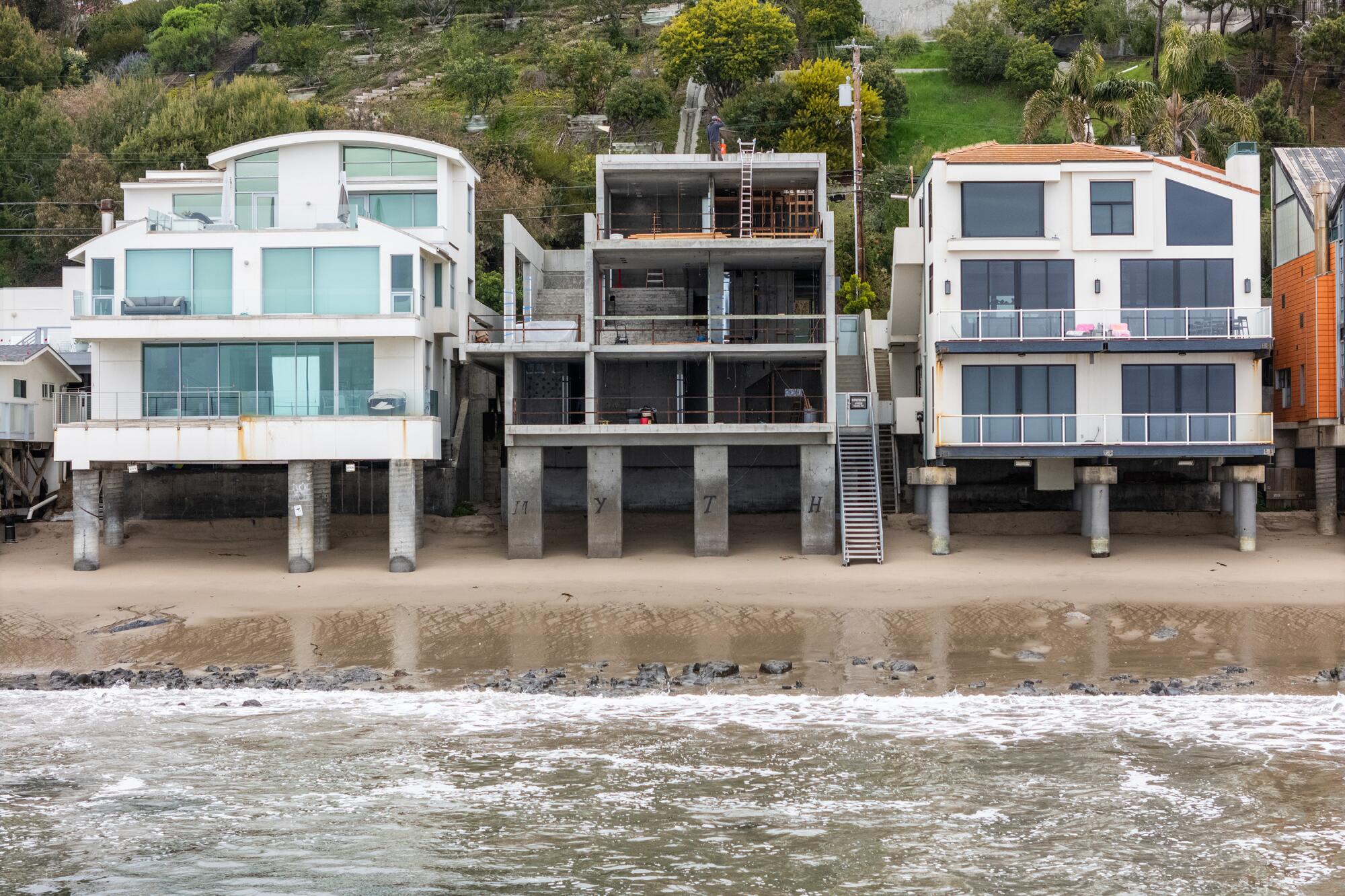
Stripped to its core: The exterior of Kanye West’s Malibu home reveals extensive renovations and the aftermath of his bold redesigns.
From Gutted Shell to Blockchain Dream: Belwood's Bold Gamble
Belwood didn't just patch holes, they dreamed bigger, weaving the property into Populis, a slick membership platform powered by SmartDeeds blockchain tech for fractional ownership slices. Tiers kicked off at $1,000 for basic perks and climbed to $300,000 for elite access like private tours and insider sessions amid the ongoing restores. It felt like a savvy pivot in a cooling luxury market, blending crypto hype with Malibu allure to draw in everyday investors hungry for a taste of stardom.
Yet cracks appeared fast. The revamped listing hit $39 million in March 2025, but it languished unsold, forcing a withdrawal that echoed the home's cursed history. Tensions boiled over in a botched summer deal with developer Andrew Mazzella's crew, where finger-pointing flew over shaky financing claims and inflated repair bills. Now, with foreclosure knocking, Populis hangs in the balance, its high-roller experiences at risk of vanishing like mist off the waves.
Quality Loan Service Corp dropped the default notice in early November, giving Belwood 90 days under California rules to cough up the arrears or watch the estate head to public auction. That's a ticking clock until February, when bidders could snatch this Tadao Ando treasure for pennies on the dollar, derailing not just renovations but an entire ecosystem of fractional stakes and member dreams.
The Emotional Toll of Celebrity Real Estate Rollercoasters
This isn't just bricks and blockchain, it's a gut-punch reminder of how fame's glow can blind even sharp operators to lurking pitfalls. Rick Sharga, vice president at real estate data firm ATTOM Data Solutions, captures the raw sting perfectly when he notes that people across all income brackets, from everyday folks to A-listers, tumble into trouble by snapping up overvalued gems at market peaks they later can't sustain. "It's a universal trap that hits hardest when ambition outpaces cash flow," Sharga has said, his words laced with the quiet empathy of someone who's tracked thousands of these falls. In the luxury lane, where egos and excess collide, the fallout feels especially poignant, turning symbols of success into symbols of struggle.
Whispers from West's orbit tie this mess to his broader empire woes, including recent scrambles for alternative loans on his Yeezy headquarters after banks slammed doors shut. It's all part of a pattern in celebrity real estate, where bold buys like this Malibu stunner promise glory but deliver drama, from renovation overruns to financing freezes that leave owners exposed and aching.
For now, the estate idles in uncertainty, its concrete curves whispering of untapped potential amid the foreclosure storm. Will Belwood rally to save their vision, or will auction day rewrite the ending? In the volatile world of high-end flips, especially gutted celebrity pads like Kanye West's former Malibu home, one thing's clear: fortune favors the financed, but defaults don't discriminate.
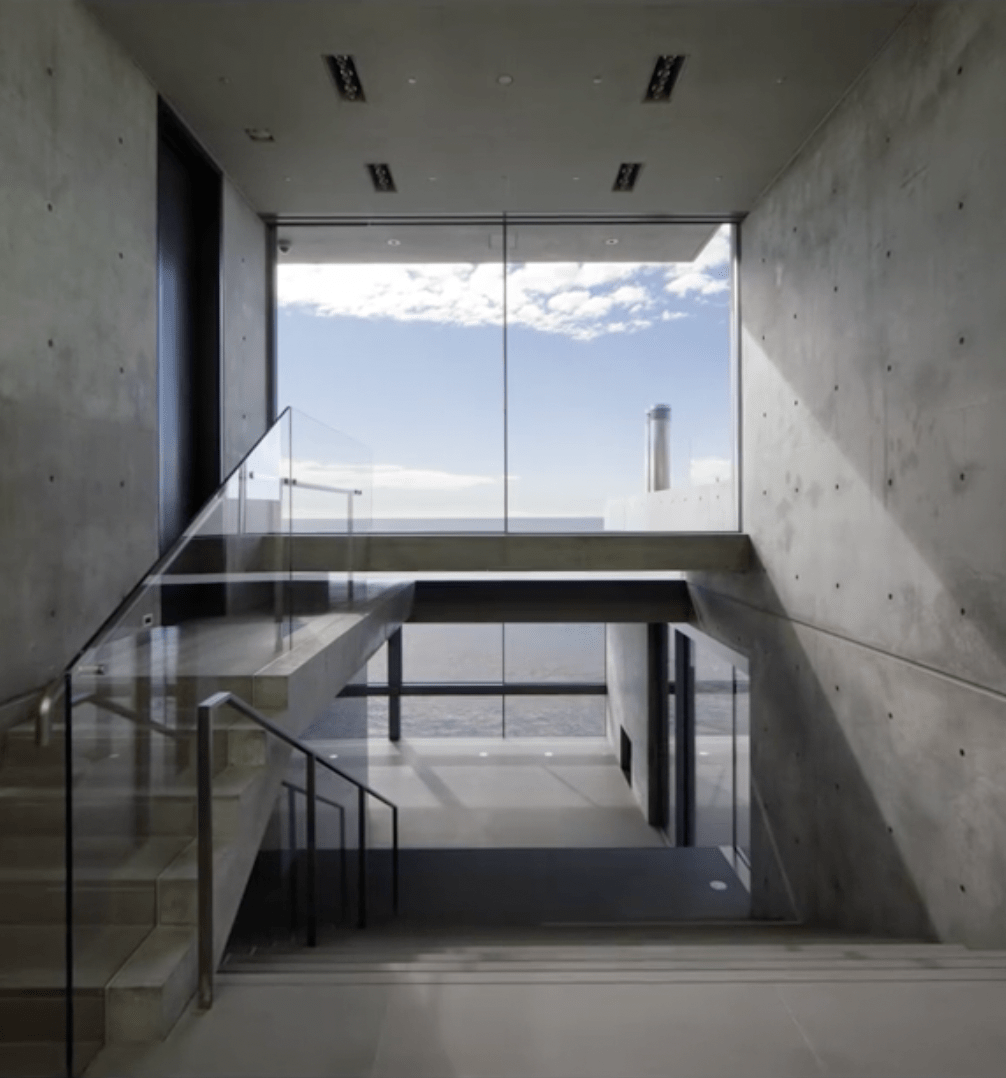
Ocean views from an empty canvas: The interior of Kanye West’s Malibu home stands gutted, offering a glimpse of the Pacific beyond.
What Readers Are Wondering: Inside the Malibu Mystery
Why Did Kanye West Completely Strip His Malibu Mansion, and What Drove That Decision?
Kanye West's drastic overhaul of his $57.3 million Malibu purchase stemmed from a desire to reshape the Tadao Ando icon into his personal fortress of solitude, stripping it bare to erase past echoes and craft a minimalist utopia. Sources close to the project reveal he envisioned raw concrete and open skies as therapy for his turbulent life, but the execution left the 4,000-square-foot space unlivable, with no plumbing or power, accelerating decay from coastal rains. This move, while artistically audacious, slashed its resale appeal and sparked endless speculation about his mental state amid career upheavals, turning a dream pad into a cautionary tale of unchecked vision clashing with practical reality.
How Does Populis' Fractional Ownership Work for Properties Like This Foreclosure-Threatened Estate?
Populis flips traditional real estate on its head by letting members buy into fractions of elite assets like West's Malibu home via blockchain-secured SmartDeeds, starting at $1,000 for entry-level shares that unlock virtual perks and updates. Higher tiers, up to $300,000, grant tangible thrills such as exclusive tours or stays once fully restored, pooling investor funds to fuel renovations while spreading risk across a community. It's a fresh take on timeshares meets crypto, but the looming foreclosure casts shadows over these stakes, potentially freezing access and values, highlighting how innovative models still bow to old-school mortgage muscle in luxury flips.
Could This Foreclosure Be Avoided, and What's Next for Kanye West's Iconic Oceanfront Pad?
Belwood has a slim window under California's 90-day grace period to settle the $814,623 shortfall and halt the auction, perhaps by rallying Populis backers or landing emergency financing amid the buzz. If they falter, the property hits the block, likely drawing deep-pocketed architects or flippers eyeing its $57.5 million post-rehab potential. For the broader celebrity real estate scene, this underscores flipping risks in quirky, high-profile homes, where one default can unravel empires, but savvy buyers might snag a bargain that revives the magic West once chased.