

Amy Klobuchar Enters Governor’s Race as Immigration Crackdowns Disrupt Work, Rent, and Family Routines
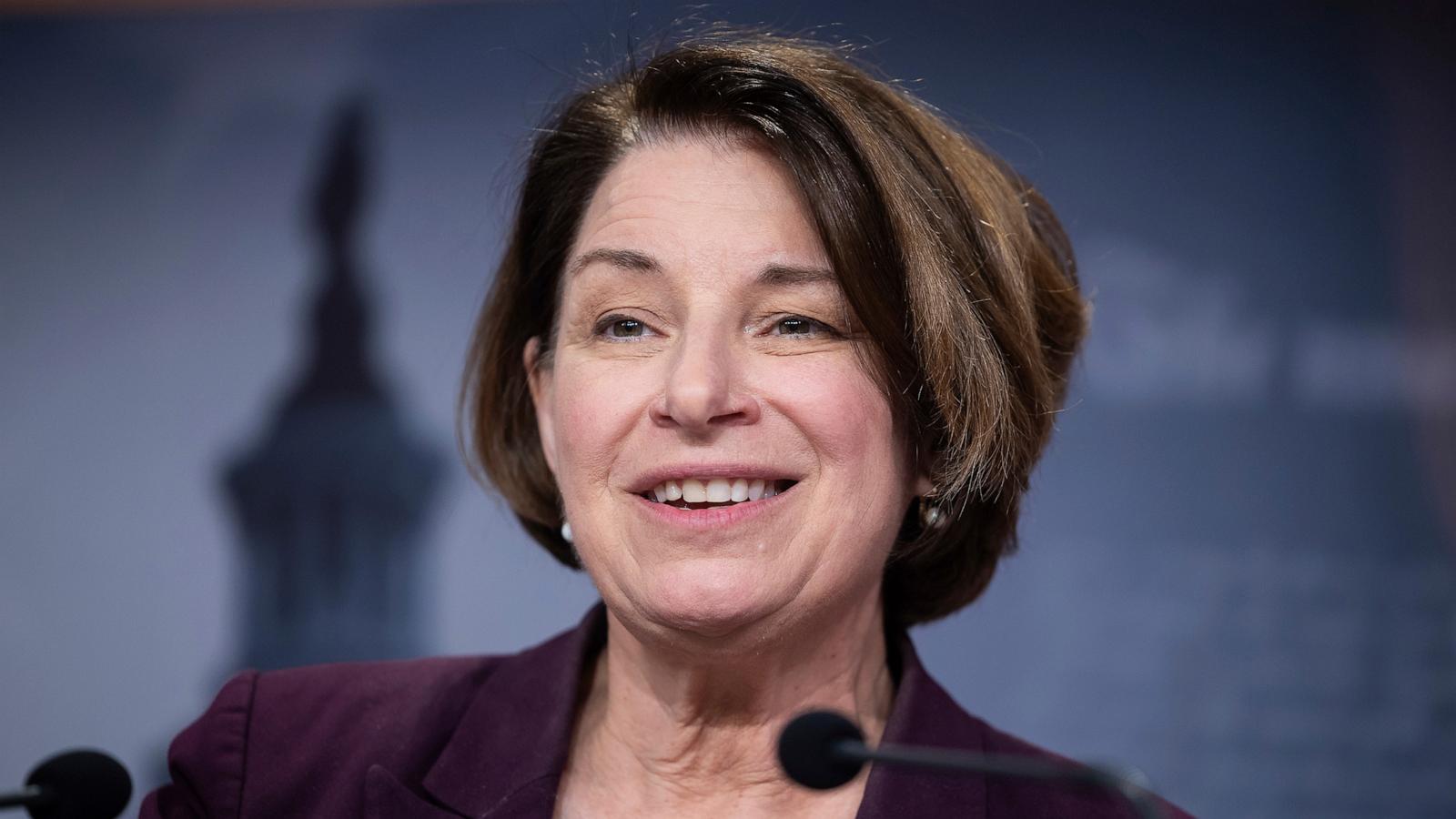
On Wednesday morning, Amy Klobuchar formally launched a bid for Minnesota governor. The announcement landed during a moment when federal immigration enforcement has surged across the state, reshaping routines for thousands of households in real time. This isn’t an abstract campaign backdrop. For many families, workers, and renters, the shift shows up as missed shifts, canceled appointments, and a quiet recalculation of daily risk.
Klobuchar framed her run as a response to “these times,” promising grit and a willingness to find common ground. But outside the press release, Minnesotans are already dealing with the practical consequences of policy pressure—especially in communities where immigration status touches employment, housing, and school drop-offs. The election talk may be about leadership; the lived experience is about access and stability, right now.
The human cost
The most immediate cost people describe isn’t ideological—it’s time and money. Parents weigh whether a routine drive could turn into hours of delay. Workers in food processing, construction, and healthcare support jobs trade shifts to avoid attention, shrinking paychecks in a winter when heating bills spike. Renters worry about a missed payment becoming a trigger for scrutiny, not just a late fee.
Stress compounds quickly. A single enforcement action ripples through workplaces and neighborhoods, turning normal errands into decision points. Even families with lawful status feel the ambient pressure—because employers, landlords, and schools respond to uncertainty by tightening rules, asking for more documentation, or quietly limiting flexibility.
The pressure point
The choke point people notice first is access. Access to work without interruption. Access to childcare when a caregiver is suddenly unavailable. Access to healthcare appointments that now feel risky to keep. Delay itself becomes the cost: delayed pay, delayed care, delayed paperwork. And delays don’t pause the bills.
Timing matters. Minnesota’s caucuses start in early February, and winter compresses options. When transportation is harder and schedules are tight, any added scrutiny magnifies the consequences. People don’t need to know the legal rationale to feel the squeeze—they feel it when a shift is cut or a bus route becomes the only safer option.
Why this is spreading
What’s happening in Minnesota doesn’t feel isolated because people see the same patterns elsewhere. Similar enforcement surges have produced the same household math: fewer hours worked, higher anxiety, and communities leaning inward. Social feeds fill with small stories—an employer asking new questions, a landlord changing policies, a clinic rescheduling—that look minor alone but add up together.
That pattern recognition fuels debate. Some argue enforcement restores order; others point to the collateral damage that lands on families who are woven into local economies. Either way, people recognize themselves in the outcomes, which is why the conversation spreads beyond campaign coverage into everyday group chats.
The campaign backdrop
Klobuchar’s entry comes after Tim Walz said he would not seek re-election, opening the field. The race will unfold alongside ongoing federal actions led by agencies like U.S. Immigration and Customs Enforcement, even though governors don’t control federal enforcement. That’s part of the tension voters are sorting through: what state leadership can influence when federal levers are already moving.
Candidates can promise coordination, safeguards, or pushback. But for households making decisions this week, those promises arrive after the fact. The immediate reality is shaped by how institutions react under pressure—and how individuals adapt to avoid risk.
Safe controversy zone
The debate isn’t neat. Supporters of stricter enforcement say predictability and compliance matter. Critics counter that the human cost—lost wages, disrupted care, and heightened fear—falls on people least able to absorb it. Both sides talk about security and fairness, but they measure consequences differently.
What’s clear is that the argument isn’t theoretical. It’s happening at kitchen tables and on night shifts, where families weigh whether stability today is worth uncertainty tomorrow. The comments sections fill up because readers aren’t choosing a side—they’re comparing notes.
Emotional landing
As the governor’s race heats up, Minnesotans will hear plenty about leadership and values. Meanwhile, families are deciding how to get through the week without drawing attention, how to cover rent if hours drop, and how to keep routines intact when the rules feel less predictable.
The campaign will promise direction. The pressure people feel is about now. And as winter grinds on, many are left asking not what policy should be—but how much disruption they can absorb before something gives.