Stability on the surface is masking rising volatility, defensive positioning, and growing pressure from energy markets
Markets are holding — but the foundations are less stable
Global markets may appear stable, but rising volatility, tightening financial conditions, and surging oil prices are exposing a far more fragile backdrop.
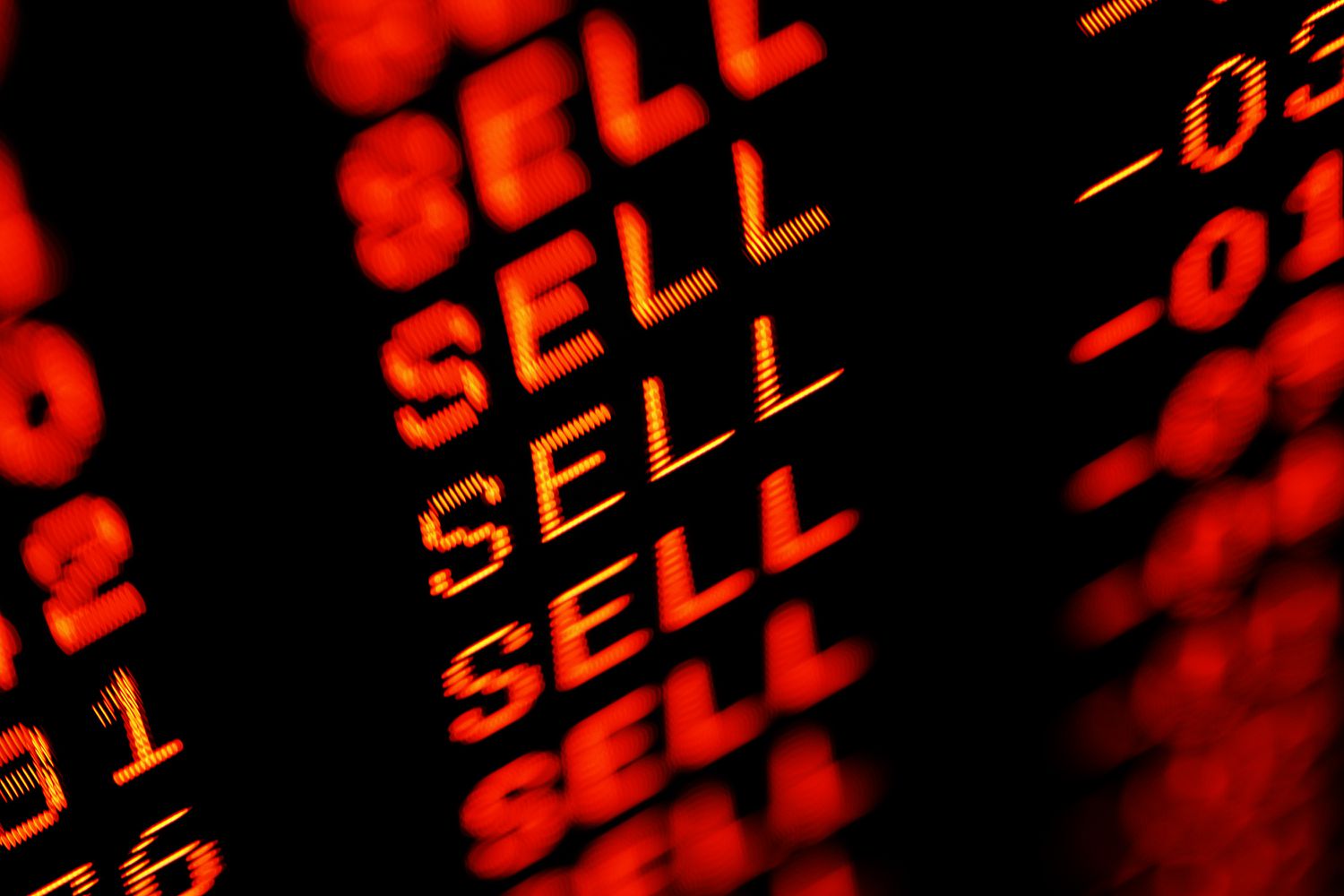
According to Goldman Sachs, investors are increasingly positioned defensively, with volatility rising and financial conditions tightening — even as major indices remain resilient.
The key question now is not whether markets are holding, but how long that stability can last — particularly if inflationary pressure from energy markets persists.
What Goldman Sachs is seeing beneath the surface
Recent insights from Goldman Sachs’ Global Banking & Markets division point to a market that is far more cautious than headline performance suggests.
Several indicators highlight this shift:
- the S&P 500 has pulled back roughly 5% from recent highs
- internal volatility measures are near extreme levels, reaching 9.5 out of 10
- short positioning in macro products is at the 97th percentile over five years
- financial conditions have tightened by around 50 basis points in recent weeks
Taken together, these signals point to a market that is not complacent — but heavily hedged.
Stability on the surface is being supported by protection underneath.
Resilience driven by positioning, not confidence
The current resilience in equity markets is notable given the range of shocks being absorbed.
Geopolitical tensions, energy market disruption, tightening liquidity, and structural shifts linked to artificial intelligence have all tested market sentiment. Yet major indices remain broadly stable.
This reflects a key dynamic: markets are not ignoring risk — they are pricing it in advance.
Heavy hedging and defensive positioning have helped limit downside volatility. But this also means that resilience is conditional. If expectations change, the same positioning that supports stability could amplify moves in either direction.
In that sense, markets are stable — but not comfortable.
Oil shocks are adding pressure across the system
Energy markets are emerging as a central driver of current conditions.
Goldman Sachs highlights that the scale of the latest oil disruption is significantly larger than previous shocks. While earlier disruptions removed around 1 million barrels per day from global supply, current estimates suggest 10 to 13 million barrels per day could be affected.
The implications extend far beyond energy.
Rising oil prices are feeding into:
- higher transport and logistics costs
- increased input prices across manufacturing
- elevated costs in sectors such as aviation, where jet fuel prices have surged
These second-order effects are reinforcing inflationary pressure and contributing to tighter financial conditions globally — a combination that markets are still adjusting to.
A shift toward asset-heavy sectors is reshaping markets
Alongside macro pressures, Goldman Sachs points to a structural rotation in equity markets.
Capital is increasingly moving away from “asset-light” sectors — particularly software — toward industries with more tangible capital bases, including:
- semiconductors
- defence
- data infrastructure
- mining and materials
This shift reflects uncertainty around long-term earnings visibility in sectors most exposed to technological disruption, especially from artificial intelligence.
By contrast, asset-heavy industries are seen as more resilient, with lower risk of rapid obsolescence and more predictable demand linked to physical infrastructure and capital investment.
Markets conditioned by years of shocks
The current environment is not unfolding in isolation.
Markets have already absorbed a series of major disruptions in recent years — from the pandemic and banking sector stress to geopolitical conflict and trade tensions.
This has led to a more forward-looking approach, where investors position ahead of risk rather than reacting to it.
As a result, even significant shocks are now being absorbed with relatively limited immediate impact on headline indices.
But that resilience depends on expectations holding true — particularly around geopolitical outcomes and economic growth.
Risks are building beneath the surface
Despite current stability, several risks remain closely tied to market direction:
- Geopolitical uncertainty: developments linked to the Iran conflict remain a key variable
- Tightening financial conditions: further tightening could constrain growth and liquidity
- Labour market signals: softening employment data may indicate broader slowdown
- Energy-driven inflation: sustained oil price increases could delay disinflation
If these pressures persist or intensify, the current balance between resilience and fragility may shift.
What to watch in the coming weeks
Market direction will likely depend on a small number of critical variables:
- progression of geopolitical tensions in the Middle East
- U.S. labour market data as a signal of economic momentum
- movements in oil prices and their impact on inflation
- changes in financial conditions and liquidity
Each of these factors will influence whether markets remain stable or transition into a more pronounced correction.
The bigger signal for investors and businesses
The current market environment is defined by a delicate balance.
Resilience is real — but it is being sustained by defensive positioning rather than underlying strength.
That distinction matters.
If conditions stabilise, markets may continue to hold. But if key assumptions shift — particularly around energy prices or economic growth — the same positioning that has supported stability could quickly amplify volatility.
For investors and businesses, the message is clear:
markets are not breaking — but they are increasingly sensitive to disruption.