
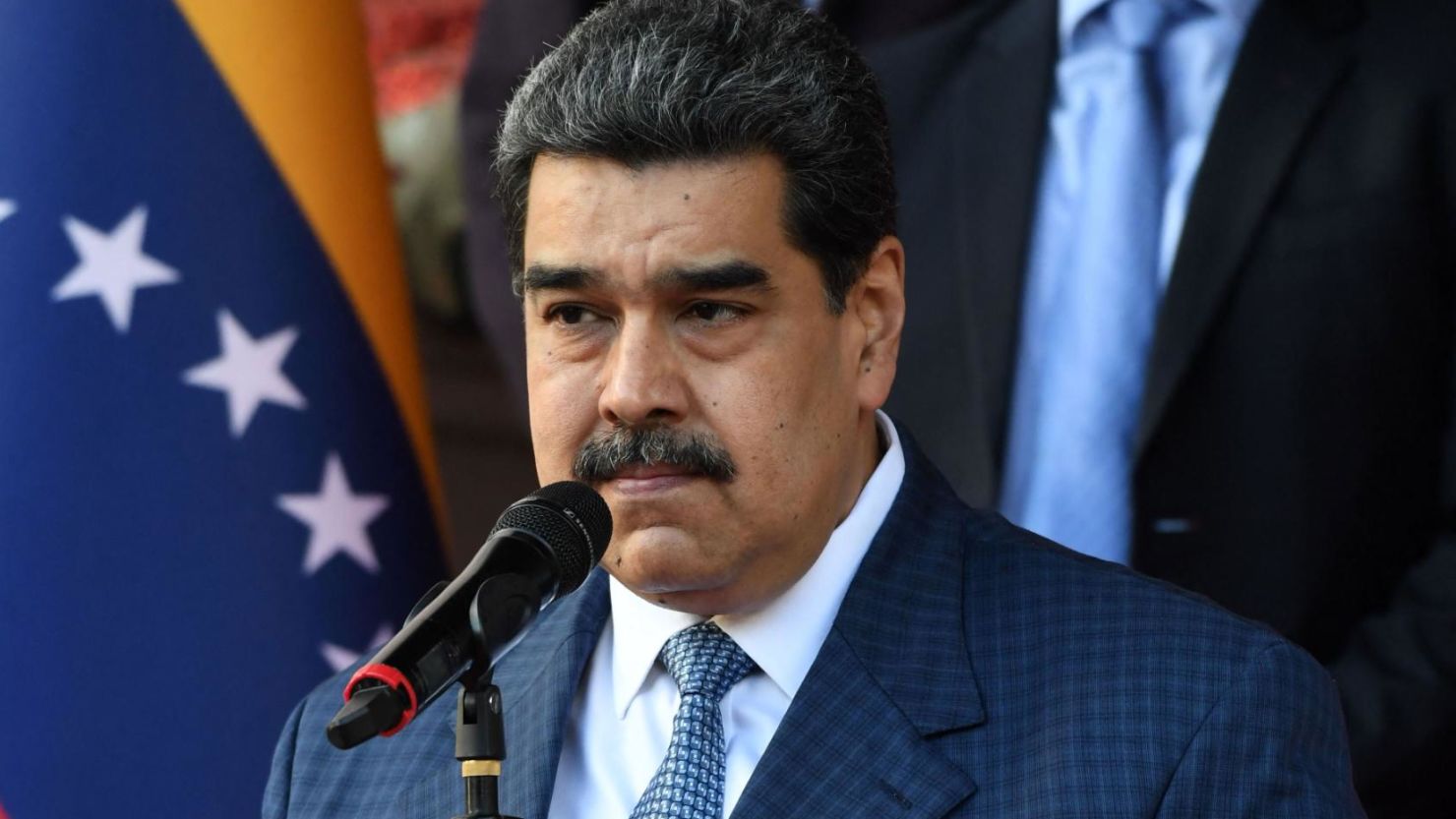
In the wake of President Donald Trump's weekend order for US forces to invade Venezuela and seize Nicolás Maduro along with his wife Cilia Flores, global attention has shifted to the deposed leader's financial empire, now under intense scrutiny as he arrives in New York to face serious federal charges.
This dramatic turn of events, unfolding just days into 2026, highlights the stark contrast between Maduro's humble origins and the allegations of vast illicit wealth tied to his regime, raising questions about how a former bus driver amassed such assets amid Venezuela's economic turmoil.
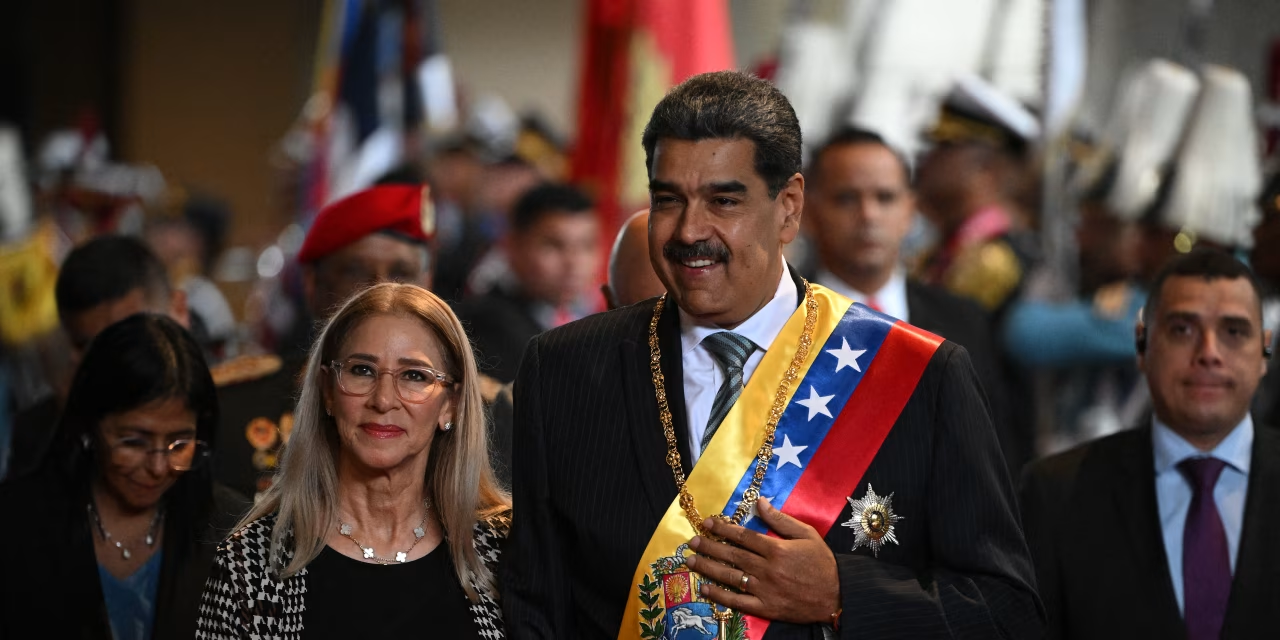
Cilia Flores and President Nicolás Maduro pose together on a red carpet, reflecting the couple’s prominence in Venezuelan political and social life.
Early Life: Roots in Working-Class Caracas
Nicolás Maduro Moros entered the world on November 23, 1962, in Caracas, Venezuela, growing up in a modest two-bedroom apartment in the El Valle neighborhood with his parents and three siblings. His father, Nicolás Maduro Garcia, held leadership roles in local left-wing political circles, instilling early values of activism and unionism in the young Maduro, while his mother managed the household in a typical working-class setting.
During his teenage years, Maduro immersed himself in leftist student movements, dropping out of high school to pursue rock music and political organizing, which shaped his fiery persona and commitment to socialist ideals that would define his later path. These formative experiences in a bustling urban environment, marked by economic struggles and political fervor, laid the groundwork for his entry into labor activism.
Career Trajectory: Rising Through Union Ranks to Presidential Power
Maduro's professional journey began behind the wheel as a bus driver for the Caracas Metro system in the 1980s, where he quickly rose to prominence as a trade union leader, advocating for workers' rights and building a reputation as a skilled organizer. His involvement in the Metro workers' union caught the eye of Hugo Chávez, Venezuela's charismatic leader, leading Maduro to co-found the Fifth Republic Movement and secure a seat in the National Assembly by 2000.
Climbing the political ladder, he served as Speaker of the Assembly from 2005 to 2006, then as Foreign Minister from 2006 to 2013, honing his diplomatic skills amid growing international tensions. Following Chávez's death in 2013, Maduro stepped into the presidency after a narrow election victory, consolidating power through controversial reelections in 2018 and beyond, while navigating economic sanctions and domestic unrest that tested his leadership resilience.
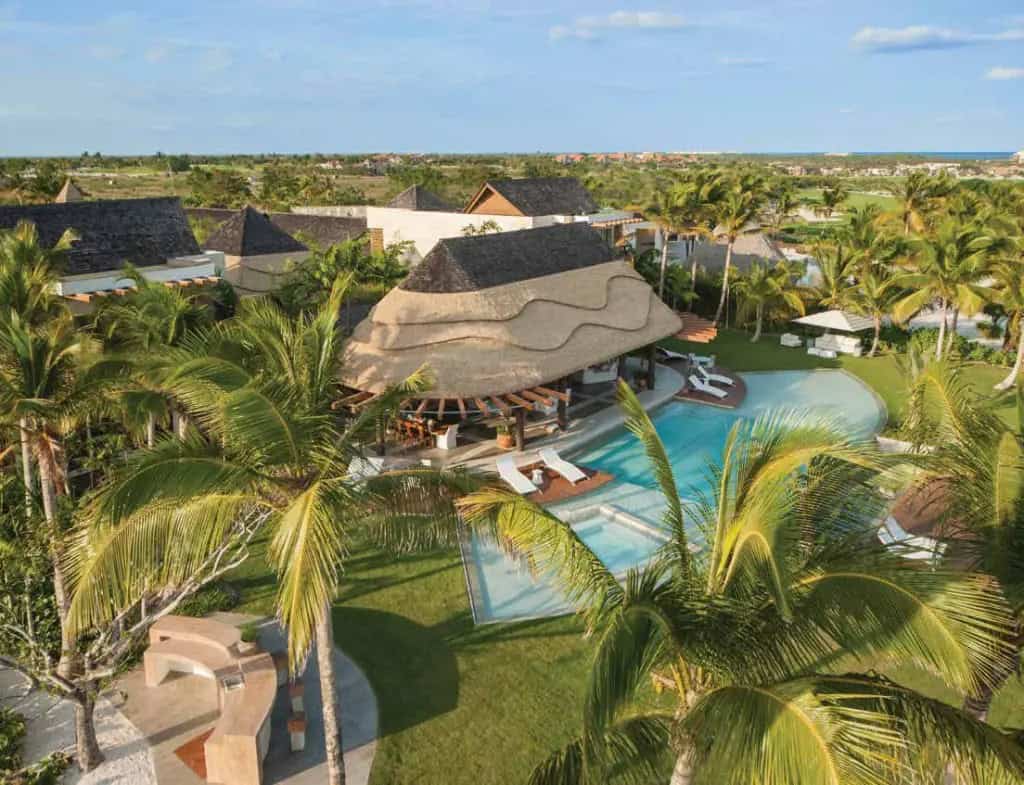
An aerial image shows a luxury villa linked to Nicolás Maduro, now seized by U.S. authorities amid a widening investigation into alleged corruption and illicit wealth tied to his presidency.
Breaking Down Nicolás Maduro's Net Worth: Sources and Accumulation
Estimates place Nicolás Maduro's personal net worth at around $2 million as of early 2026, a figure that appears modest on the surface but draws skepticism given the lavish assets linked to his inner circle. His official presidential salary, reported at approximately $120 per month or equivalent to two units of Venezuela's digital currency Petro, forms the backbone of his declared income, supplemented by state perks like housing and security.
However, allegations of corruption point to wealth accumulated through shadowy deals, including partnerships with foreign entities in oil and mining sectors, where Maduro's regime reportedly siphoned funds via state-controlled enterprises. Investments tied to these operations, such as lucrative contracts with Chinese and Russian firms for resource extraction, have fueled speculation about hidden fortunes, though Maduro publicly welcomed US oil investments to revive Venezuela's battered economy. Critics argue that much of this wealth stems from embezzlement and kickbacks, transforming public resources into private gains during his tenure.
With this fortune, Maduro and his family have indulged in opulent lifestyles, including ownership of multiple high-end properties like a sprawling mansion in the Dominican Republic valued at millions, complete with ocean views and extensive grounds. Reports also detail a collection of luxury vehicles, alongside a horse farm that underscores a taste for equestrian pursuits.
Artwork and jewelry feature prominently in seized inventories, with pieces allegedly acquired through international networks, while private jets facilitated global travel before US authorities grounded them. These expenditures paint a picture of extravagance contrasting sharply with Venezuela's widespread poverty, amplifying calls for accountability.
Facing US Charges: Potential Outcomes and Wealth Implications
As Maduro appeared in a New York federal courthouse on January 5, 2026, flanked by security, he confronts grave accusations including narco-terrorism conspiracy, cocaine importation, and possession of machine guns and destructive devices, stemming from a 2020 indictment expanded in recent years. Prosecutors allege Maduro led a cartel-like operation, partnering with Colombian groups to flood the US with drugs, using proceeds to prop up his regime amid economic collapse.
If convicted, he could face life imprisonment, with his wife Cilia Flores implicated in similar charges, potentially dismantling their personal and political networks. This legal battle threatens to freeze or forfeit assets exceeding $700 million already seized by US authorities, including jets, Florida homes, and overseas properties, severely eroding any remaining wealth and leaving little for family or defense costs. The invasion's fallout could trigger further international asset hunts, diminishing Maduro's financial legacy while reshaping Venezuela's economic landscape under interim governance.
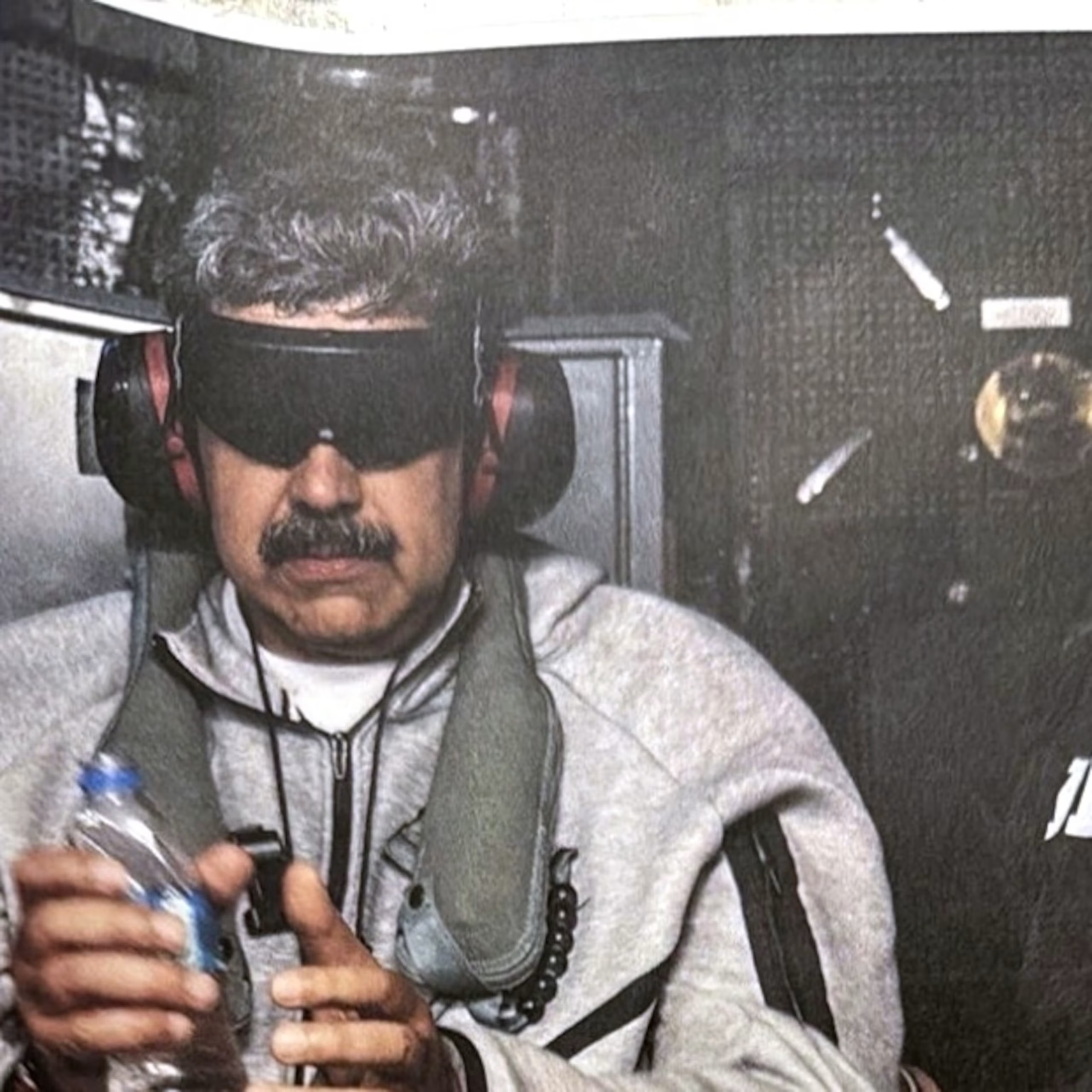
Nicolás Maduro is seen aboard a U.S. warship under military custody after his capture, marking a dramatic turning point in the international case against the former Venezuelan leader.
People Also Ask: Key Insights on Nicolás Maduro and His Finances
What role did Maduro's religious beliefs play in his political decisions?
Maduro blends Roman Catholicism with appeals to evangelical Christians, often invoking faith in public speeches to build alliances, which influenced policies like creating vice ministries for religious happiness and deepening ties with Pentecostal groups.
How has Maduro's family been involved in Venezuelan governance?
His wife Cilia Flores served as attorney general and assembly president, while his son Nicolás Maduro Guerra held a seat as a ruling party lawmaker, extending family influence into legislative and advisory roles within the regime.
What impact have international sanctions had on Maduro's personal finances?
Sanctions from the US and EU have blocked Maduro's access to global banking, forcing reliance on alternative currencies and allies like Russia, while freezing overseas accounts and complicating asset management, ultimately contributing to the recent seizures totaling hundreds of millions.