Nvidia has pushed the boundaries of autonomous driving technology further than ever before with its latest announcement at CES 2026 in Las Vegas, where CEO Jensen Huang introduced Alpamayo, an advanced AI platform that enables self-driving cars to reason and make decisions much like experienced human drivers.
This breakthrough comes at a time when the industry is hungry for innovations that address the toughest challenges in self-driving vehicles, building on Nvidia's previous advancements in AI hardware and software for automotive applications.
Nvidia's CES 2026 Spotlight
During the keynote on Monday, Huang captivated the audience by demonstrating how Alpamayo transforms autonomous vehicles from reactive machines into thoughtful systems capable of handling unpredictable situations on the road. He explained that the platform allows cars to navigate complex environments safely, while providing real-time explanations for every action taken, which adds a layer of transparency that's been missing in many current technologies. This development draws from Nvidia's ongoing work in AI robotics, including earlier platforms like Drive Orin, which have already powered advanced driver-assistance systems in various car models.
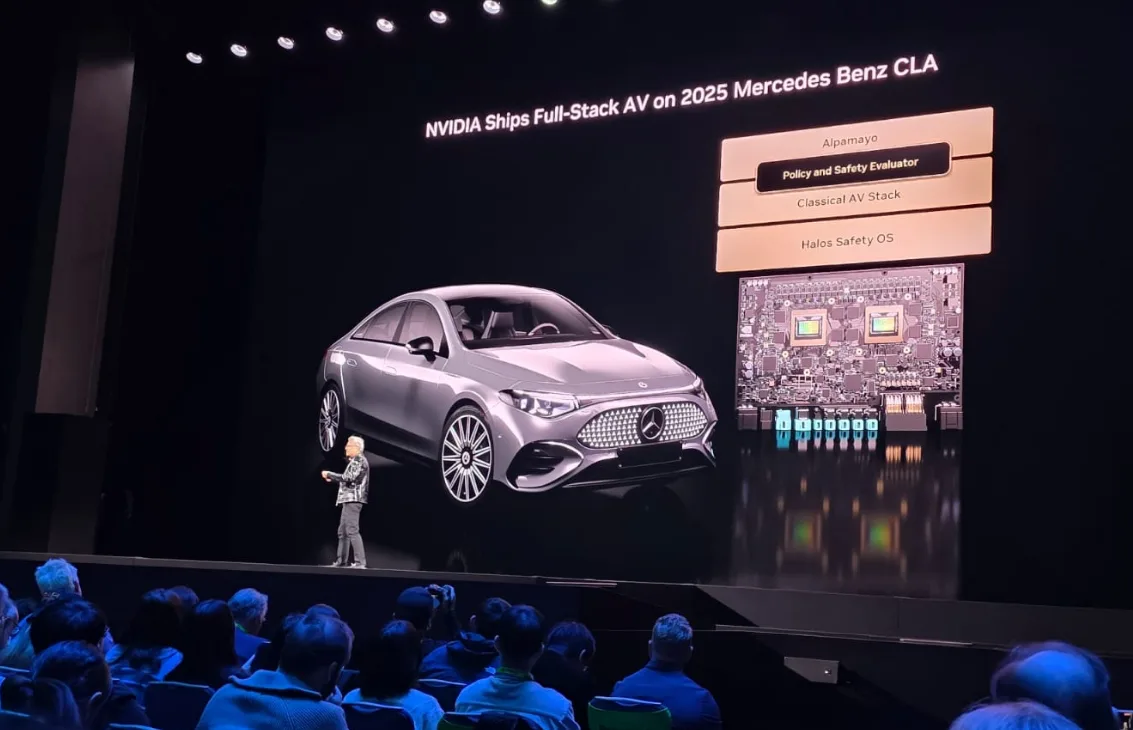
Nvidia CEO Jensen Huang unveils Alpamayo at CES 2026, an AI platform designed to help self-driving cars think, reason, and navigate complex traffic like human drivers.
What Sets Alpamayo Apart
Alpamayo stands out because it learns directly from human driving behaviors, resulting in more natural and intuitive performance behind the wheel. In a live demo, an AI-powered Mercedes-Benz CLA cruised through San Francisco's busy streets without any human intervention, confidently managing traffic, pedestrians, and unexpected obstacles. Huang emphasized that this isn't just about following rules, but about the car actually reasoning through scenarios, much like a person would anticipate and adapt to changes in real time. This capability could significantly reduce accidents in edge cases that have plagued other autonomous systems.
Mercedes-Benz Partnership and Rollout Plans
Nvidia has started production on a driverless version of the Mercedes-Benz CLA equipped with Alpamayo, with plans to launch it in the United States in the coming months, followed by expansions into Europe and Asia. This collaboration highlights Nvidia's growing role in the automotive sector, where it supplies AI solutions to major manufacturers. The partnership builds on recent successes, such as Nvidia's integrations with companies like Volvo and Hyundai in prior years, which have helped refine AI for safer, more efficient driving experiences worldwide.
Open-Source Strategy Boosts Innovation
By making Alpamayo's underlying code open-source on Hugging Face, Nvidia invites developers and researchers to customize the model for diverse vehicles and applications, potentially accelerating progress across the entire autonomous ecosystem. Tech analyst Paolo Pescatore from PP Foresight noted that this positions Nvidia as a dominant platform provider in physical AI, extending its influence beyond hardware into software that drives the future of robotics. This move echoes Nvidia's history of fostering innovation, as seen in its contributions to AI communities through tools like CUDA, which have spurred advancements in fields from gaming to scientific computing.
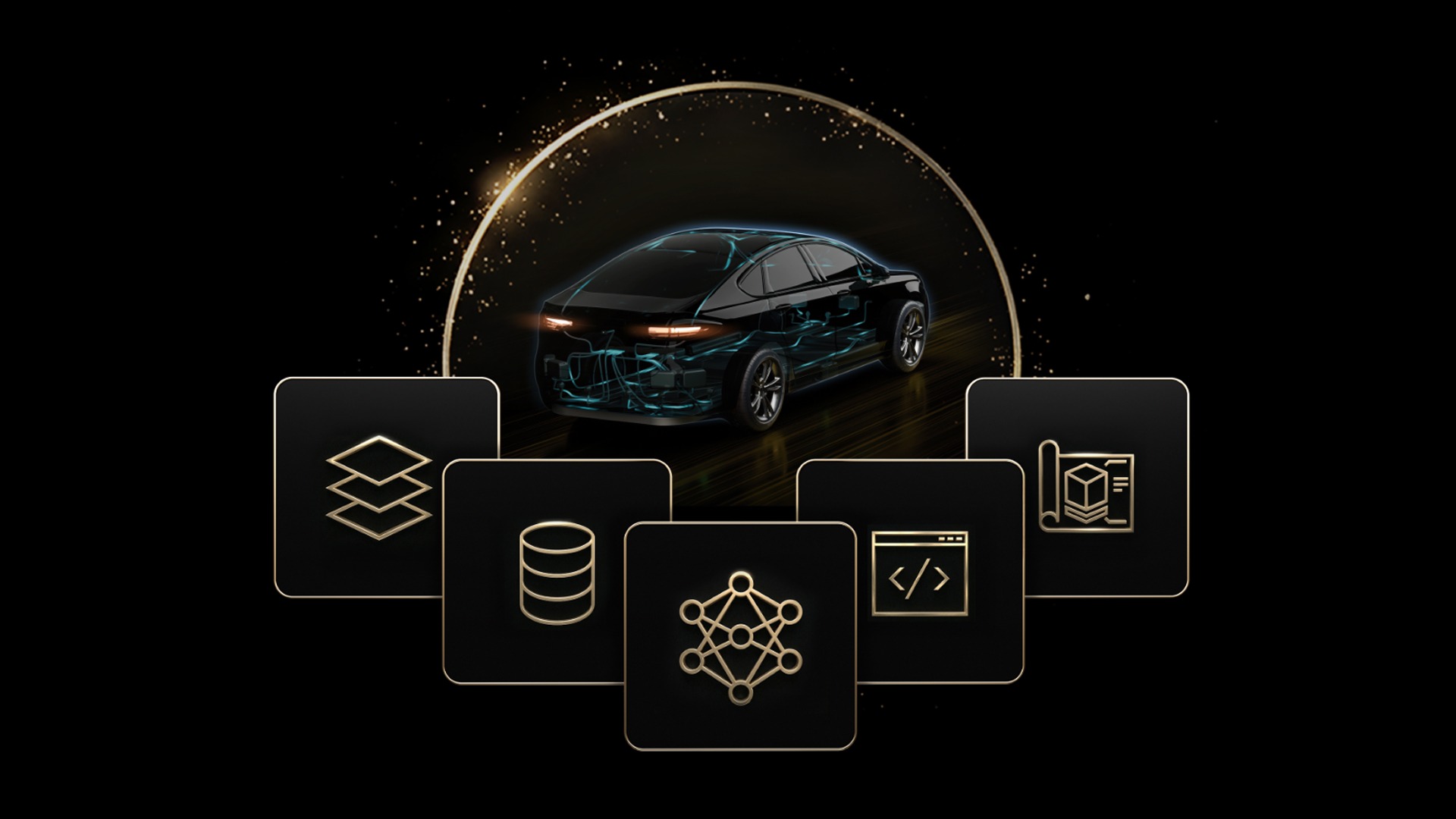
Nvidia’s visual overview of Alpamayo highlights key features of the AI platform, enabling autonomous vehicles to navigate complex situations and make human-like driving decisions.
Rivalry with Tesla and Hardware Advancements
The announcement directly challenges competitors like Tesla's Autopilot, prompting a quick response from Elon Musk on social media, where he highlighted the difficulties of perfecting the final stages of autonomy. Nvidia countered with its new Rubin AI chips, engineered for high-efficiency computing that reduces energy consumption and development costs for AI systems. These chips complement Alpamayo perfectly, supporting Nvidia's broader vision of widespread autonomous adoption, including a planned robotaxi service by 2027. Referencing Tesla's ongoing updates to Full Self-Driving software in recent months, this rivalry could spark faster improvements industry-wide, benefiting consumers with more reliable options sooner.
The Road Ahead for Autonomous Driving
With a market cap exceeding $4.5 trillion, Nvidia solidifies its status as the world's most valuable tech company, leveraging Alpamayo to lead in AI-powered transportation. For everyday drivers, this means vehicles that not only drive themselves but also communicate their thought processes, building trust and handling rare events with human-like insight. As Huang stated during the event, the goal is a world where every car and truck operates autonomously, and with these latest strides, that reality feels closer than ever, promising safer roads and more efficient travel for everyone.
Digging Deeper into Nvidia's AI Breakthroughs
What Makes Alpamayo's Reasoning Capability a Game-Changer for Self-Driving Cars?
Alpamayo's ability to reason goes beyond basic pattern recognition by incorporating advanced neural networks that simulate human decision-making, allowing the AI to evaluate multiple outcomes in split seconds during drives. This differs from traditional systems that rely heavily on predefined rules, as Alpamayo can adapt to novel situations like sudden weather changes or erratic behaviors from other road users. Experts believe this could cut down on the need for constant software updates, since the model continually refines itself through exposure to real-world data, ultimately leading to fewer interventions and smoother rides for passengers over time.
How Does Nvidia's Open-Source Approach with Alpamayo Benefit the Broader Tech Community?
Releasing Alpamayo as open-source on Hugging Face empowers a global network of developers to experiment and improve the platform, fostering collaborations that could extend its use beyond cars to drones or delivery robots. This strategy not only democratizes access to cutting-edge AI but also encourages ethical advancements, such as enhanced privacy features in data collection. In the long run, it might lower barriers for smaller companies entering the autonomous market, sparking innovations that address regional challenges like urban congestion in densely populated cities around the world.
When Will Alpamayo-Powered Vehicles Become Widely Available to Consumers?
While the Mercedes-Benz CLA with Alpamayo is slated for U.S. release in the near future, broader availability will depend on regulatory approvals and further testing to ensure compliance with safety standards across different countries. Nvidia plans phased rollouts starting in North America, with Europe and Asia following as infrastructure adapts. This timeline aligns with industry trends toward level 4 autonomy, where cars operate without human oversight in specific areas, potentially transforming daily commutes by reducing traffic jams and emissions through optimized routing algorithms.