
In the high-stakes world of entertainment, where fortunes rise and fall like plot twists in a blockbuster thriller, Paramount's surprise hostile takeover bid for Warner Bros Discovery has sent shockwaves through Hollywood. Announced just yesterday on December 8, 2025, this $108.4 billion all-cash offer marks a dramatic escalation in what was already a tense merger landscape, pitting legacy studios against streaming behemoths in a fight that could redefine the industry for years to come. For everyday fans who grew up quoting lines from Friends or debating DC heroes, this isn't just corporate chess—it's a battle over the stories that have shaped our cultural touchstones, and the very future of how we watch them.
The Spark Behind Paramount's Bold Move
Paramount's leadership, spearheaded by CEO David Ellison and backed by his family's Skydance Media, had spent months in discreet talks with Warner Bros Discovery about a potential friendly merger. Those discussions aimed to combine strengths in a streaming era dominated by giants like Netflix and Disney, but tensions boiled over when Warner Bros pivoted toward a different suitor. Just last week, Warner Bros revealed plans to sell its prized studio and streaming divisions to Netflix in a deal valued at around $82.7 billion, leaving Paramount feeling sidelined and urgent.
Rather than walk away, Ellison chose to fight fire with fire, launching the hostile bid directly to Warner Bros shareholders, bypassing the board entirely. This rare maneuver in Hollywood circles underscores the desperation felt across the sector, as traditional media companies grapple with cord-cutting and ballooning content costs. "It's a gut-wrenching moment for everyone involved," notes Doug Creutz, an analyst at TD Cowen, who points out that such bids carry emotional weight alongside financial risks, evoking the raw ambition that built these empires in the first place. For Ellison, whose father Larry Ellison's Oracle fortune provides the firepower, this feels personal—a chance to honor a legacy while securing survival in an unforgiving market.
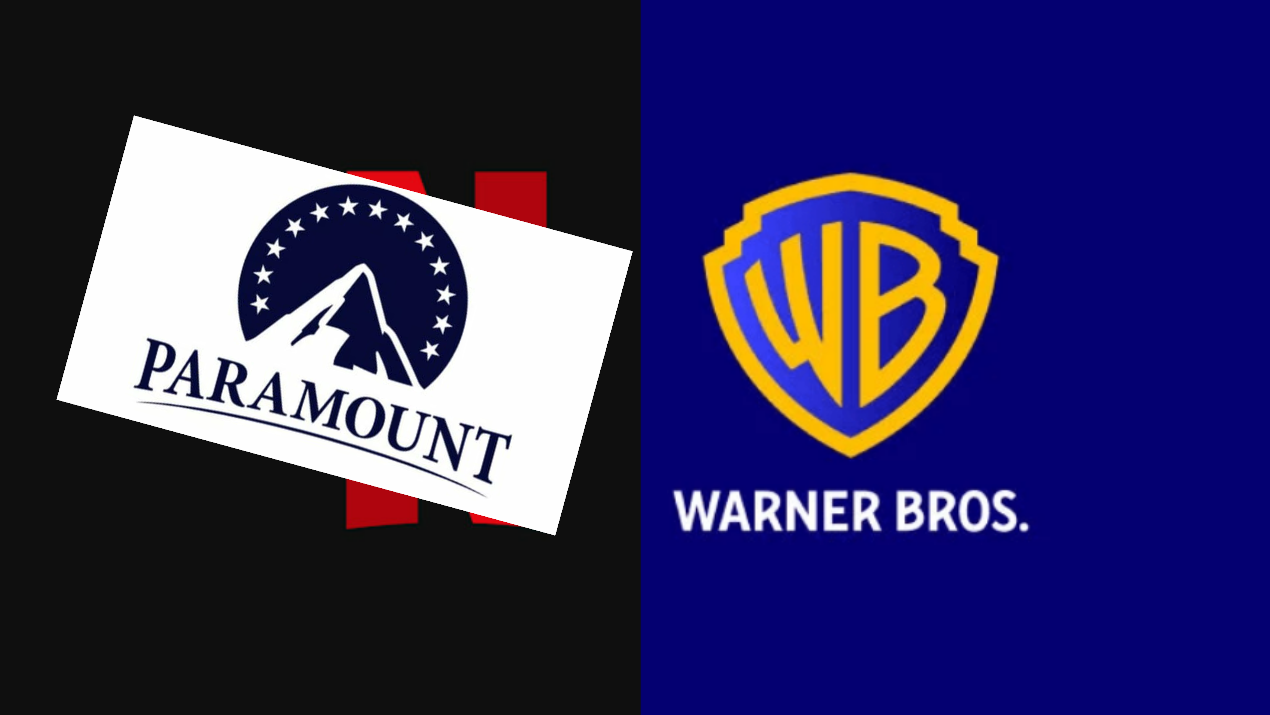
A split image shows the Paramount mountain eclipsing both the Netflix “N” and the Warner Bros. shield — a visual echo of the studio’s earth-shaking $108B takeover bid that has sent shockwaves through Hollywood and pushed the streaming wars into their most dramatic phase yet.
Breaking Down the Competing Bids
The clash now boils down to two starkly different visions for Warner Bros Discovery's future, each promising value but laced with uncertainties that keep shareholders on edge. Netflix's proposal focuses on acquiring the crown jewels—the Warner Bros Pictures studio, New Line Cinema, HBO, and HBO Max—for a hybrid package of $23.25 per share in cash plus equity that pushes the total near $27.75 per share. This would spin off the rest of Warner Bros, including cable networks like CNN and the Food Network, into a separate entity, allowing Netflix to cherry-pick assets without the drag of legacy businesses.
In contrast, Paramount's $30 per share all-cash offer sweeps up the entire company, embracing everything from sports broadcasting rights to those fading cable channels that many view as anchors weighing down profitability. Paramount argues this full embrace offers certainty and simplicity, avoiding the regulatory hurdles and market volatility tied to Netflix's stock component. As one industry observer put it, the bids aren't just numbers on a page; they represent clashing philosophies about what Hollywood should become, stirring a mix of excitement and anxiety among those who cherish the magic these brands have delivered for generations.
The Prize at the Center: Warner Bros' Treasured Assets
At the heart of this frenzy lies Warner Bros Discovery's unparalleled library, a century-spanning vault of intellectual property that includes timeless gems like Casablanca, animated delights from Looney Tunes, and modern phenomena such as the DC Universe, Harry Potter franchise, The Sopranos, Friends, and Sex and the City. For Netflix, snapping up these assets would fortify its position as the unchallenged streaming leader, bolstering its film output and prestige television while thwarting rivals from gaining similar firepower.
Paramount, meanwhile, eyes the merger as a lifeline to scale, merging HBO Max's 120 million subscribers with Paramount+ to create a combined platform serving over 200 million worldwide. This union would amplify bargaining power with distributors and infuse fresh global reach, transforming Paramount from a scrappy contender into a true heavyweight. It's hard not to feel a pang of nostalgia here, knowing these collections have bonded families and sparked conversations for decades; whoever wins holds the keys to that shared heritage, making the stakes feel profoundly human amid the dollar signs.
Navigating Politics and Regulation in This Power Play
No Hollywood saga would be complete without a dash of Washington intrigue, and this one delivers in spades, especially with the incoming Trump administration casting long shadows. The Ellison family's deep ties to President-elect Donald Trump—through Larry Ellison's substantial Republican donations—could grease the wheels for Paramount's approval, a factor that analysts say tilts the odds in its favor at the federal level. Yet Trump added fuel to the fire this week, lashing out at CBS (a Paramount property) over a 60 Minutes interview, leaving some to wonder if personal grudges might complicate the path forward.
Netflix, already under scrutiny for its market dominance, faces steeper antitrust barriers, with regulators wary of a deal that could concentrate too much control in one entity's hands. As Creutz observes, "We think that at least at the federal level in the U.S., Paramount has a better chance of getting the deal approved by regulators due to a closer relationship with the Trump administration." This political undercurrent adds a layer of unpredictability, reminding us that in entertainment's grand theater, influence often trumps pure economics, evoking the tense alliances that make for unforgettable drama.
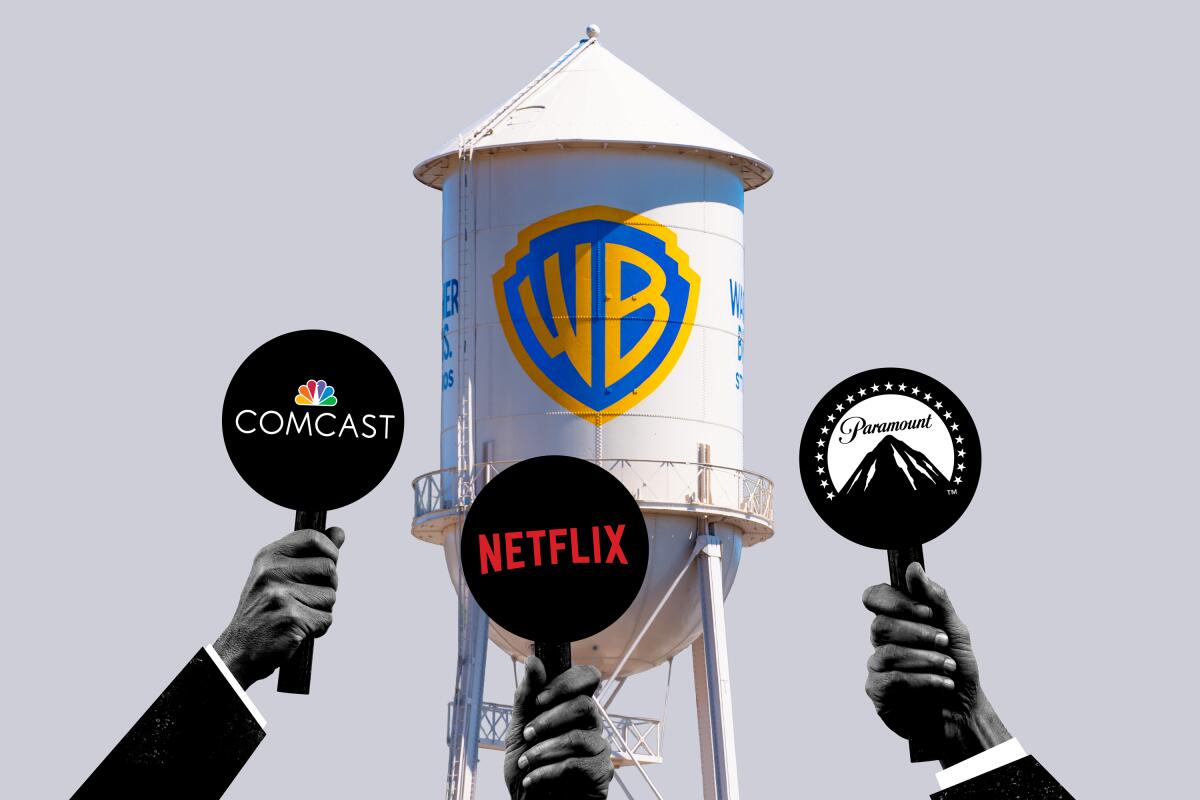
Paramount hope to have beaten off competitors like Comcast, and Netflix for control of the iconic studio and streaming assets.
What This Means for Viewers Like You
As the dust settles on these bids, the ripple effects for consumers promise to reshape daily viewing habits in ways both thrilling and frustrating. A Netflix victory might streamline content under one roof but could hike prices as the service absorbs premium HBO fare, potentially squeezing budgets for households juggling multiple subscriptions. On the flip side, a Paramount win heralds aggressive bundling options, folding Warner's vast slate into Paramount+ for a more affordable, all-in-one experience that challenges Disney's stronghold.
If neither prevails, Warner Bros might fragment further, scattering beloved shows across platforms and eroding the seamless access fans crave. Interestingly, data shows over 70% of U.S. HBO Max users already subscribe to Netflix, so consolidation could simplify lives for many while raising alarms about reduced choice. Ultimately, this fight tugs at the heartstrings because it threatens the effortless joy of discovering a classic film or bingeing a series—experiences that feel increasingly precious in our fragmented media world.
Who Will Emerge Victorious in This Epic Showdown?
Predicting the outcome remains elusive, with shareholders wielding the decisive vote amid a web of contracts, regulatory reviews, and boardroom maneuvers. Netflix's deal, while innovative, carries equity risks and fiercer oversight, whereas Paramount's cash certainty appeals but invites questions about funding depth and political entanglements. Recent whispers suggest Jared Kushner's involvement via his Affinity Partners firm bolsters Paramount's consortium, adding another twist to the narrative.
Yet as the bids evolve—Paramount's offer already drawing praise for its boldness—this feels like the most gripping Hollywood tale since the Disney-Fox merger, one where the victor doesn't just claim assets but scripts the next chapter of entertainment history. For now, the tension builds, leaving us all riveted to the unfolding script.
Beyond the Headlines: What Fans Are Wondering Next
What Exactly Is a Hostile Takeover, and Why Is It Shaking Up Hollywood?
A hostile takeover occurs when a company approaches shareholders directly to buy control, sidestepping the target firm's board, much like Paramount's move on Warner Bros Discovery this week. This aggressive tactic, uncommon in the genteel world of entertainment mergers, injects urgency and drama, forcing quick decisions that can upend corporate strategies overnight. For Hollywood, it signals desperation in a streaming-saturated market, where survival demands bold risks; viewers might see faster content integrations but also face disruptions if deals falter, highlighting how such battles prioritize scale over stability in an industry built on creativity and legacy.
How Could This Merger Battle Impact Your Streaming Subscription Prices?
If Paramount secures Warner Bros, expect bundled packages that lower overall costs by merging Paramount+ and HBO Max, potentially saving subscribers $10-15 monthly while expanding library access to hits like The Matrix and Game of Thrones spin-offs. Netflix's path, however, risks inflating its $15.49 base tier to accommodate premium Warner content, squeezing multi-service households amid rising production expenses. Analysts predict short-term hikes regardless, but long-term consolidation could stabilize rates; for families, this means weighing richer catalogs against wallet strain, a trade-off that underscores the human cost of corporate consolidation in our binge-watching routines.
Who Are the Key Players Driving This Warner Bros Takeover Drama?
At the forefront stands David Ellison, Paramount's visionary CEO whose Skydance roots fuel the $108.4 billion bid, backed by his billionaire father Larry's tech fortune and even Jared Kushner's investment firm. Netflix counters with co-CEOs Ted Sarandos and Greg Peters, leveraging their subscriber empire to target Warner's IP goldmine. Warner Bros CEO David Zaslav navigates the crossfire, balancing shareholder interests with a debt-laden balance sheet; together, these titans embody the clash of old-guard ambition and digital dominance, their decisions poised to influence everything from your next movie night to the global flow of stories that connect us all.