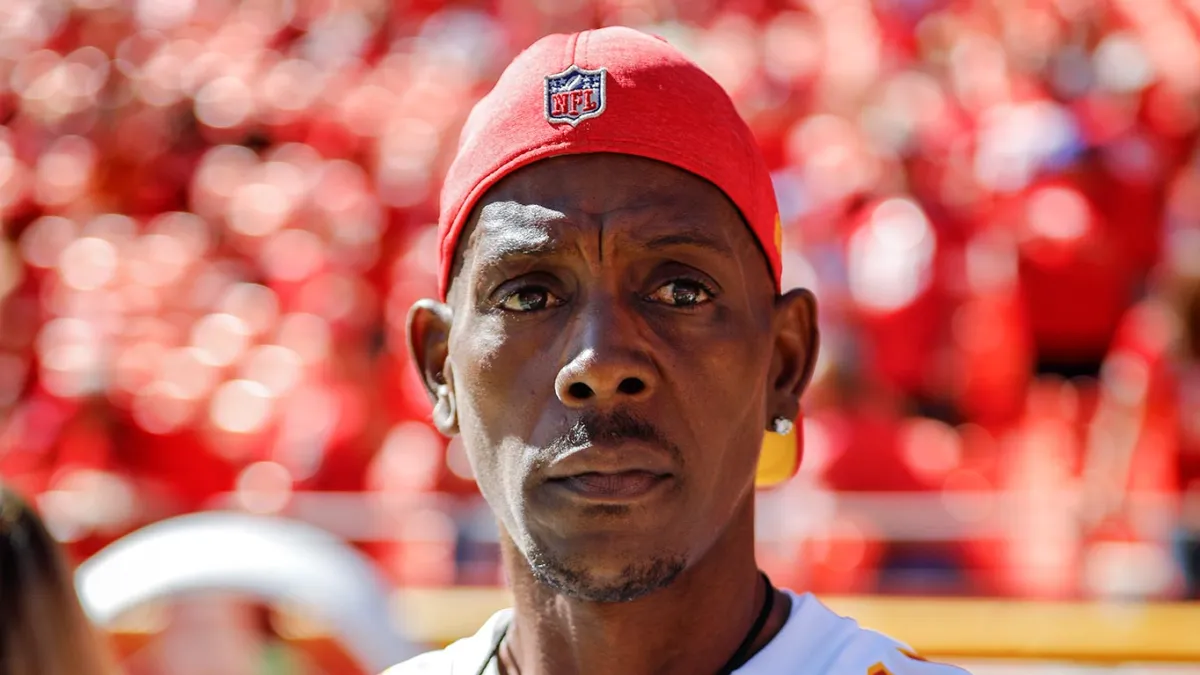
Why Patrick Mahomes Sr. Is Sitting in Jail — and What the Judge Can Do Next
Patrick Mahomes Sr. is being held in the Smith County Jail in Texas after prosecutors alleged he violated the terms of his felony probation, triggering a court review that could send him to prison despite no new criminal charge being filed.
The custody order follows a violation report tied to court-ordered alcohol monitoring related to a prior driving-while-intoxicated conviction. Until a judge rules next month, Mahomes Sr. remains jailed without bond — a move that signals how quickly probation supervision can escalate into incarceration.
This Is Not a New Trial — But the Stakes Are High
The upcoming proceeding is a probation revocation hearing, not a criminal trial. Prosecutors do not need to prove guilt beyond a reasonable doubt. Instead, the judge must decide whether probation conditions were violated and whether supervision can continue.
That lower legal threshold gives courts broad authority. If violations are found, judges can tighten supervision, impose short jail sanctions, or revoke probation entirely and impose a prison sentence tied to the original conviction.
Why a Single Alcohol Monitor Reading Can Trigger Jail
Court filings indicate the alleged violation includes a reading from an alcohol monitoring ankle device, even though subsequent alcohol tests reportedly did not return positive results.
These devices measure alcohol excreted through the skin rather than blood alcohol levels. Judges typically assess such data alongside confirmatory tests, supervision logs, and overall compliance history. A single disputed reading does not automatically end probation, but it can be enough to bring the defendant before the court — and into custody — while the issue is reviewed.
Why He’s Being Held Without Bond
Being jailed before a revocation hearing is procedural, not a sentence. Courts may order detention to prevent further alleged violations or to maintain control over supervision while evidence is evaluated.
Holding a probationer without bond does not predict the final outcome, but it does reflect the court’s concern about compliance. In practical terms, it means freedom can be lost quickly once probation terms are questioned, even before a judge rules.
What Judges Actually Look For in These Hearings
Revocation decisions usually turn on patterns, not headlines. Judges focus on whether alleged violations suggest probation is breaking down or whether supervision can be corrected.
Courts typically examine monitoring consistency, prior warnings, response to supervision, and whether corrective steps were taken. Public attention, family connections, or outside pressure do not factor into the legal analysis.
What Happens After the Hearing
If the judge finds probation can still work, supervision may continue under stricter conditions, including enhanced monitoring or short custodial sanctions. Courts often attempt these corrective steps before fully revoking probation.
If probation is revoked, the judge can impose incarceration based on the original felony sentence. That decision will be made after the scheduled hearing, at which point Mahomes Sr.’s status will either return to supervised release or escalate into prison time.
What This Case Shows About Probation Risk
Probation is often viewed as freedom with conditions. In reality, it operates under constant court control. A single alleged violation can lead to immediate jail time, with liberty dependent on a judge’s later ruling.
For now, Mahomes Sr. remains in custody awaiting that decision — a reminder that probation supervision can turn into incarceration long before a final judgment is entered.