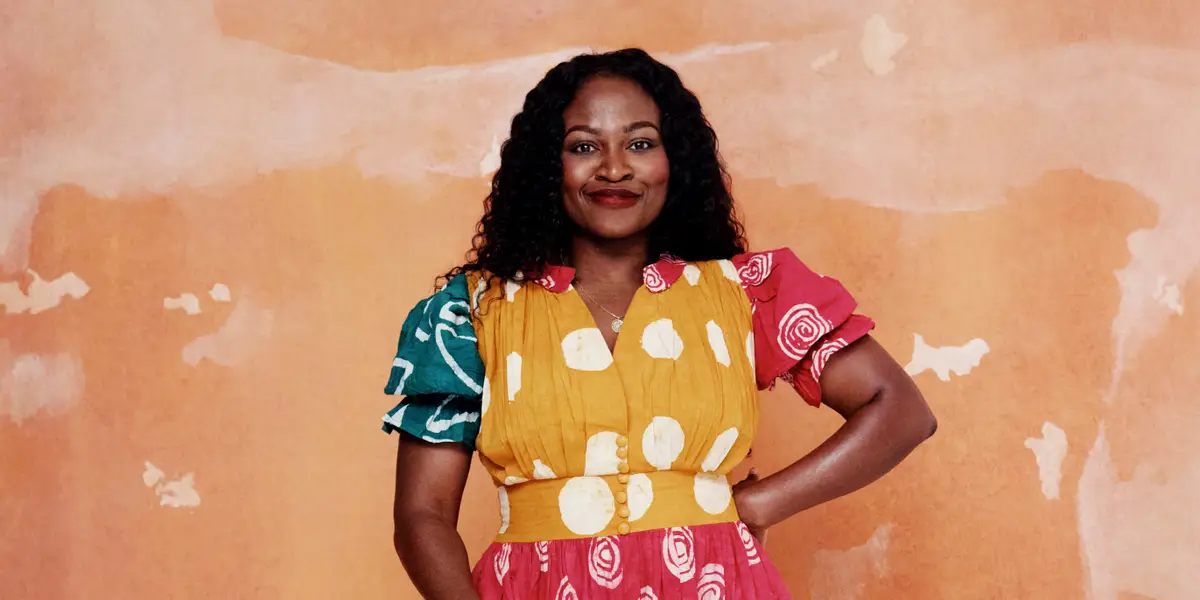
Fisayo Che, founder of womenswear brand Elisamama, says her business is fighting to survive after Saks Fifth Avenue’s parent company filed for Chapter 11 bankruptcy, leaving her brand owed six figures. Speaking to Business Insider, Che explained how a partnership that once drove more than half her revenue has become an existential risk. “Now, Saks owes us six figures,” she said. “I’m considering cutting half of our team to stay viable.”
This story matters beyond one brand. Saks’ bankruptcy highlights a systemic vulnerability in the wholesale fashion model, where small designers often fund inventory, production, and staffing for powerful retailers. When payments are delayed or disrupted, the financial and operational pressure falls entirely on the supplier, threatening jobs, livelihoods, and the ability to grow emerging brands.
How Saks’ Bankruptcy Threatens Supplier Cash Flow
Che founded Elisamama while still working a corporate job, building the brand around African artistry and a mission to support women artisans in Nigeria. Early on, she sold pieces at flea markets and on Etsy, slowly building a customer base online. Saks’ interest in 2020 accelerated growth dramatically, giving Elisamama visibility on Fifth Avenue, selecting the brand for its New Wave program for emerging designers, and featuring it in the window of the New York flagship store.
“The exposure it gave us was significant and gave us confidence,” Che said. The partnership enabled Elisamama to expand production, hire more artisans in Nigeria, and begin selling to additional retailers, including Shopbop and Tuckernuck.
But with scale came dependence. By 2024, Saks represented 50%–60% of Elisamama’s revenue. When payments slowed, the consequences were immediate. Cash flow dried up, jeopardising wages for full-time staff, consultants, and contractors who rely on timely invoices to meet payroll and cover production costs.
“The amount Saks owes us means a lot,” Che said. “I employ 20 people full time in Nigeria; we have some consultants and contractors, as well. The financial impact is enormous.”
Why Emerging Designers Face Increased Risk From Retailers
The pressure on Che’s business began in early 2024, when Saks informed vendors it would begin paying in instalments rather than on previously agreed terms. Partial payments arrived in July and August, but subsequent invoices went unpaid. Che continued to fulfil two additional orders in good faith, believing the company would honour its commitments, only to see payments stall entirely.
Saks Global filed for Chapter 11 in January, prioritising debts incurred after January 13 and leaving earlier obligations—like the majority of what it owes Elisamama—subject to the restructuring process. “When Saks’ bankruptcy was announced in January, the ax dropped,” Che said. “Because of the proceedings, Saks said it’d prioritise debts after January 13 and get back to us on other payments owed.”
This highlights a systemic issue in wholesale fashion: small suppliers assume significant financial risk, producing goods and paying labour upfront for large retailers who can delay or restructure payments with minimal consequences. For designers like Che, this exposes a vulnerability few other industries demand: funding a major partner’s inventory at scale.
How Brands Can Protect Themselves After Saks’ Filing
Che is taking defensive steps to protect Elisamama. She has paused shipments of the most recent order, told buyers that future deliveries will require prepayment, and is considering requesting the return of inventory currently in Saks’ possession. She has also been expanding sales channels to diversify revenue and reduce reliance on any single customer.
“Saks is so powerful and significant in the fashion space that partnering with it is valuable,” Che said. “What’s happened is a disappointment, but it’s also grief and sadness. We want Saks to win, but I don’t believe the company anymore.”
The experience illustrates a broader lesson for small fashion businesses. As retailers navigate financial distress, suppliers may need to enforce stricter payment terms, demand collateral, or expand partnerships proactively. Brands that fail to mitigate risk may find their cash flow and workforce under immediate threat.
Lessons for Small Fashion Businesses From Saks’ Bankruptcy
Fisayo Che’s story underscores the stakes when retailers fail to meet financial obligations. Retail bankruptcies ripple far beyond balance sheets—they directly affect the artisans, designers, and employees who fund production. Elisamama’s experience demonstrates that even long-standing, successful partnerships can be upended, forcing brands to adapt quickly to survive.
For the fashion industry, Saks’ restructuring is both a warning and an opportunity. Retailers rely on a steady pipeline of unique, emerging brands to differentiate themselves, but those pipelines are sustainable only if trust and timely payments are maintained. Without concrete action, the risk is that suppliers may limit exposure, demand stricter terms, or exit wholesale entirely.
Ultimately, Che’s experience is a cautionary tale for suppliers and founders: scaling through wholesale can accelerate growth, but it also magnifies exposure to a single partner. As more retail giants navigate financial distress, the question is not whether small businesses will be affected—it’s how many can survive the shock.