
Senate Blocks DHS Funding as Immigration Delays and Shutdown Fears Hit Families
The decision happened in Washington, but the pressure is already being felt far beyond Capitol Hill.
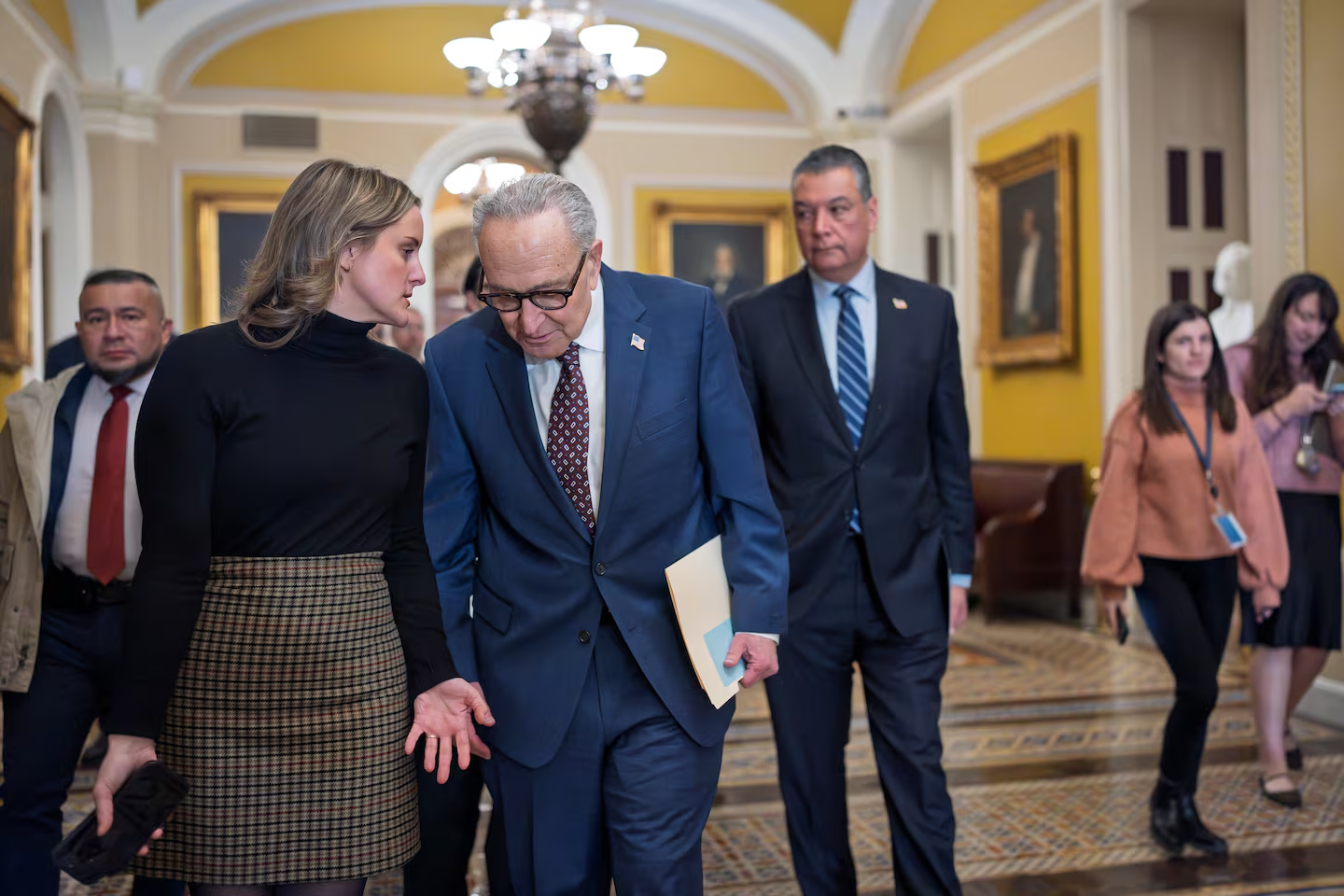
On Thursday, Senate Democrats blocked a funding package for the Department of Homeland Security, pushing the federal government closer to a partial shutdown just as immigration enforcement has intensified across several states. The vote wasn’t framed as procedural resistance. It was a response to how federal power is being exercised right now — and who is bearing the cost.
With government funding set to expire, the standoff leaves millions of people facing uncertainty that has nothing to do with budgets on paper and everything to do with safety, access, and trust.
What Was Blocked — and Why It Matters Now
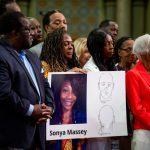
The legislation would have funded DHS and several other agencies, but Democrats refused to advance it without limits on how immigration enforcement is being carried out under President Donald Trump’s administration. The immediate trigger was enforcement activity tied to recent deaths of protesters in Minneapolis involving federal agents.
Senators demanded basic constraints: officers identifying themselves, removing masks, and obtaining warrants before making arrests. Without those assurances, Democrats said they would block the bill — even if it meant risking a shutdown.
That choice doesn’t just stall policy. It freezes systems people rely on every day.
The Human Cost Isn’t Abstract
When DHS funding is uncertain, the ripple effects reach quickly into real life. Immigration courts slow. Case backlogs grow. Families waiting on hearings, work authorization, or legal clarity are pushed into longer limbo.
For communities already living with enforcement pressure, the uncertainty compounds stress. People don’t know whether officers will show up, what rules apply, or how long services will remain available. Even those far from immigration proceedings feel the disruption through travel delays, administrative backlogs, and strained local resources.
A shutdown doesn’t land evenly. It lands first on people with the least margin for delay.
The Pressure Point: Enforcement Without Guardrails
At the heart of the standoff is not funding itself, but how power is exercised on the ground.
Democrats argue that unchecked enforcement — especially by masked federal agents — creates fear, confusion, and escalation. Republicans counter that tying enforcement conditions to funding undermines security and governance.
For ordinary people, that debate plays out in neighborhoods, workplaces, and courtrooms. The question isn’t ideological. It’s whether enforcement feels predictable or arbitrary, lawful or threatening.
Delay becomes its own consequence.
Why This Fight Is Spreading
This vote didn’t emerge in isolation. Across the country, immigration enforcement has moved from policy discussion into visible, often volatile action. Protests, legal challenges, and public confrontations have followed.
As those images spread, so does pressure on lawmakers to respond — not later, but immediately. Funding deadlines force decisions before consensus forms, turning unresolved tensions into shutdown threats.
The result is a cycle where legal standoffs translate directly into lived instability.
The Debate Congress Hasn’t Resolved
Supporters of blocking the bill say funding should never be separated from accountability. They argue that limits now prevent greater harm later.
Opponents warn that withholding funds risks chaos, worker furloughs, and security gaps — consequences that fall on the public regardless of intent.
Congress hasn’t resolved that conflict. It has only escalated it.
What This Means for People Watching Closely
As negotiations continue, the uncertainty remains the point. A shutdown may be avoided, delayed, or narrowly tailored. But for families waiting on immigration decisions, for federal workers bracing for furloughs, and for communities already tense from enforcement actions, the damage isn’t hypothetical.
It’s the waiting.
It’s the not knowing.
It’s living inside a decision that hasn’t landed yet — but already changed the ground underneath them.