
Snoop Dogg spoke this week in the quietest way possible, days after his family suffered a loss that no amount of status or experience prepares you for.
His 10-month-old granddaughter, Codi, died just weeks after coming home from the hospital, ending a year largely spent inside medical rooms and uncertainty.
The timing mattered: the moment came as award season continued and cameras remained fixed on him, even as the ground shifted privately. What followed was not explanation, but absence.
That absence appeared deliberate. Instead of interviews or statements, Snoop shared a single image — himself, his daughter Cori, and his sons — accompanied only by a heart and a prayer emoji.
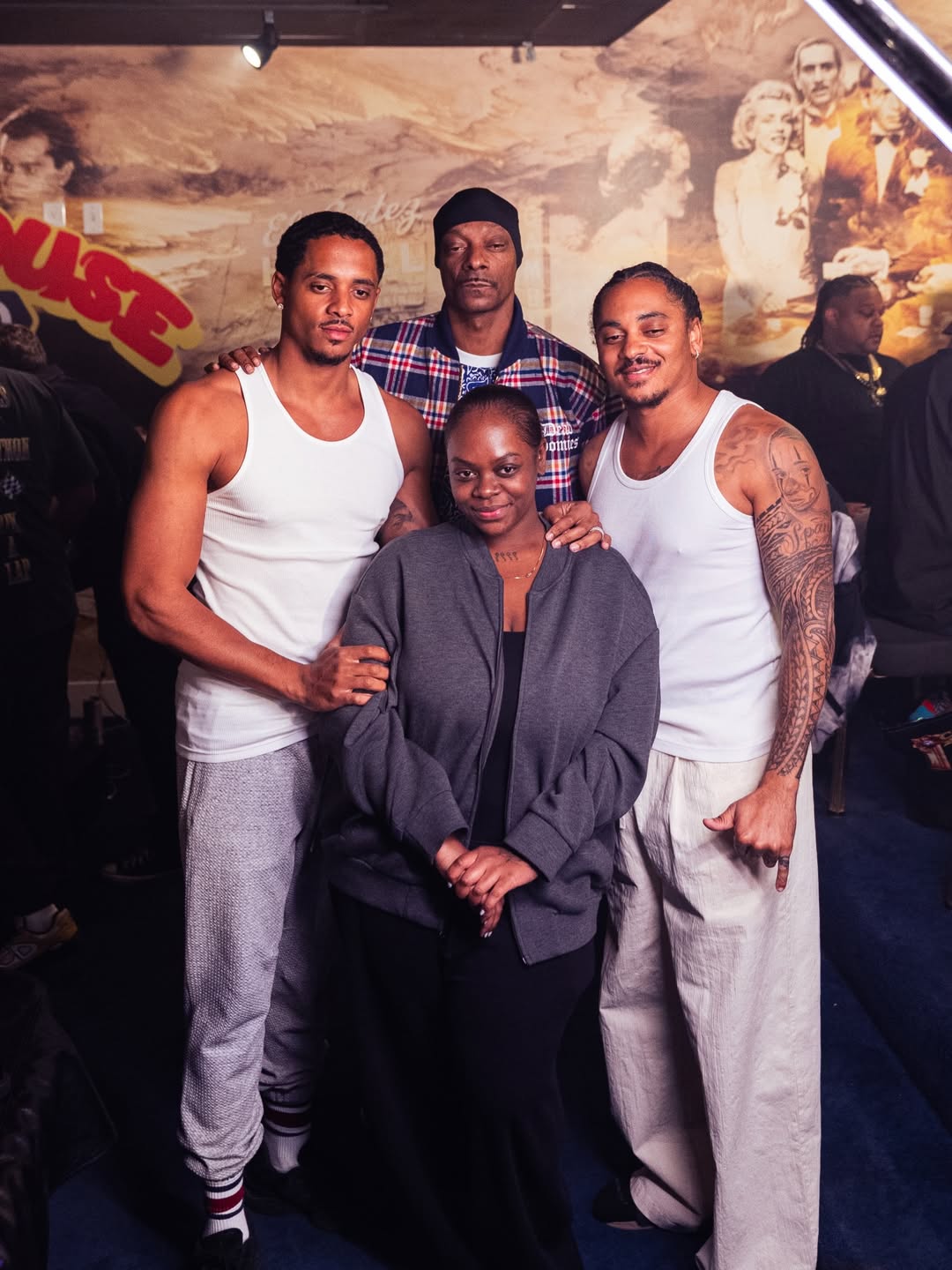
Snoop Dogg shared a family photo on Instagram with his daughter Cori, 26, and his sons Corde, 31, and Cordell, 28, adding a heart and prayer emoji.
No caption. No context. No attempt to shape the narrative. In an economy built on access, the refusal to provide it became the story.
Cori Broadus had already said what could be said days earlier. In a black-and-white photo posted to her own account, she held her baby and wrote simply that she had lost “the love of my life.”
The baby, born three months premature, had spent more than 300 days in neonatal intensive care before finally coming home. Three weeks later, she was gone.
There was no public explanation. No medical detail. Just grief, shared once, and then withdrawn.
For families at this level of visibility, grief does not arrive alone. It arrives with reposts, commentary, speculation, and pressure to perform sorrow publicly. Silence, at that point, is no longer passive. It becomes an active choice.
Behind that choice sits a reality most people never have to price out. For a globally recognised figure like Snoop Dogg, pulling back from public life requires more than staying home.
It involves secured residences, controlled movement, private transport, and staff coordination — a short-term commitment that industry insiders routinely describe as six-figure privacy and security costs over a matter of weeks.
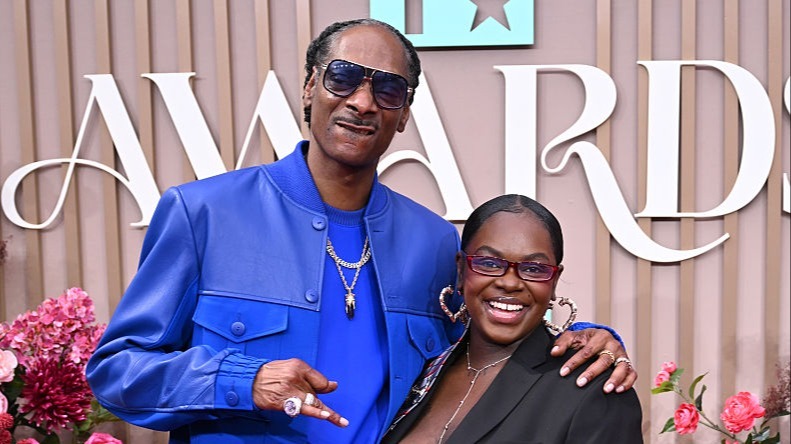
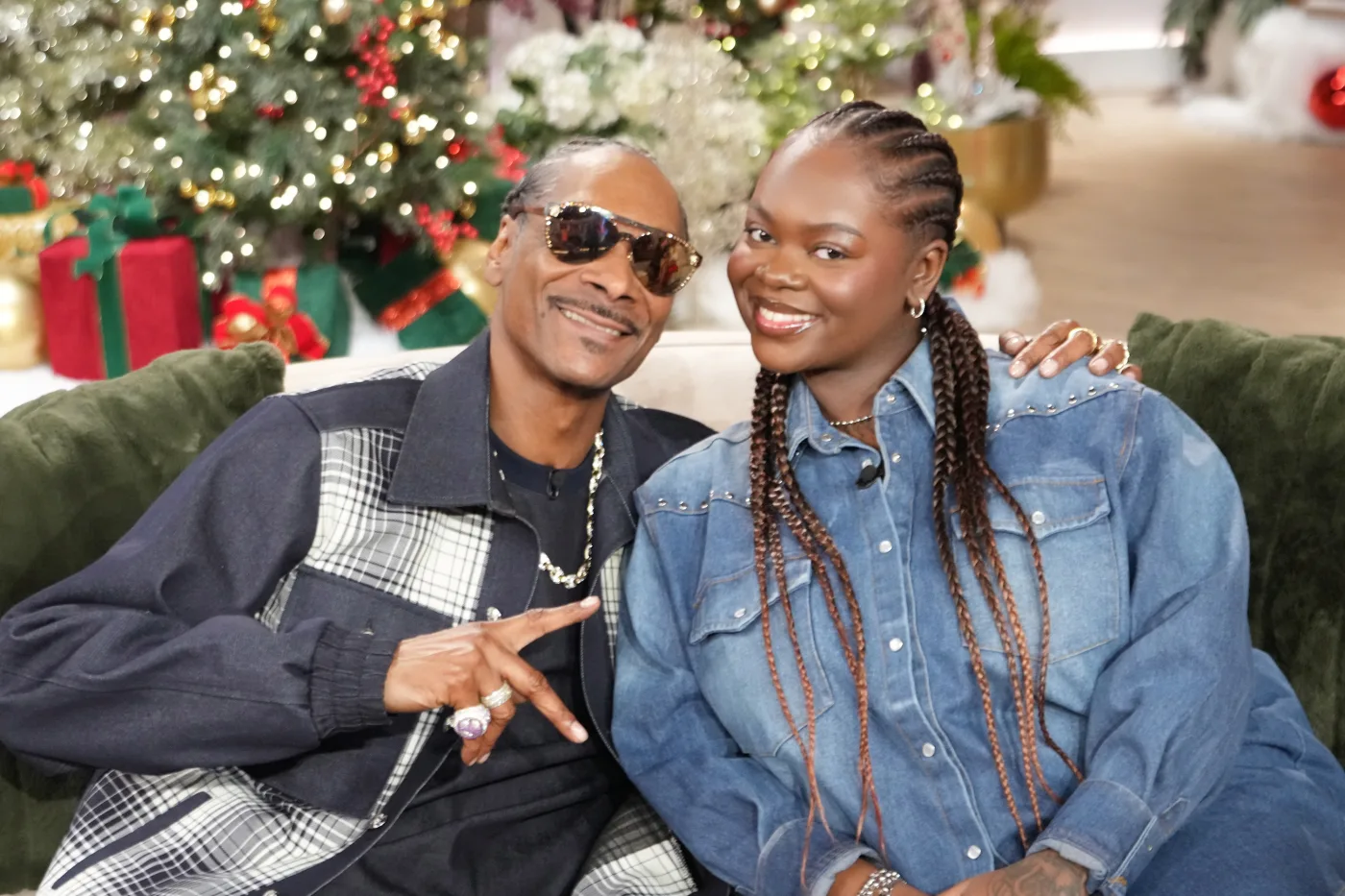
Snoop Dogg attends an awards event with his daughter Cori Broadus.
This isn’t indulgence. It’s maintenance. It’s what relief costs when exposure is automatic and unrelenting.
The visual contrast around this moment has been stark. Red carpets, tailored suits, and flashing cameras sit uncomfortably beside cropped family photos and remembrance posts.
Cori’s earlier words, celebrating her daughter’s resilience, describing her strength and awareness, feel different now.
The baby had lived almost her entire life inside carefully controlled environments, watched over by machines and professionals.
When that world finally opened, it closed again quickly.
Snoop’s response stayed deliberately minimal. No appearances. No follow-up messages. Just withdrawal.
It’s a familiar pattern among public figures facing private devastation. When grief collides with fame, many choose retreat over transparency, not because they owe less, but because exposure compounds pain.
At the top, stepping back is often described as recalibration rather than escape, using the same systems designed to protect careers to protect families instead.
The tension this creates is unavoidable. Some see silence as strength. Others see distance. Both interpretations coexist, especially when money makes withdrawal possible for some and unimaginable for others.
Is privacy in moments like this a privilege or a necessity that only becomes visible when it’s suddenly gone?
Snoop Dogg hasn’t tried to answer that. The family has closed ranks, offered support in fragments, and stepped away from the machinery that usually feeds on moments like this.