
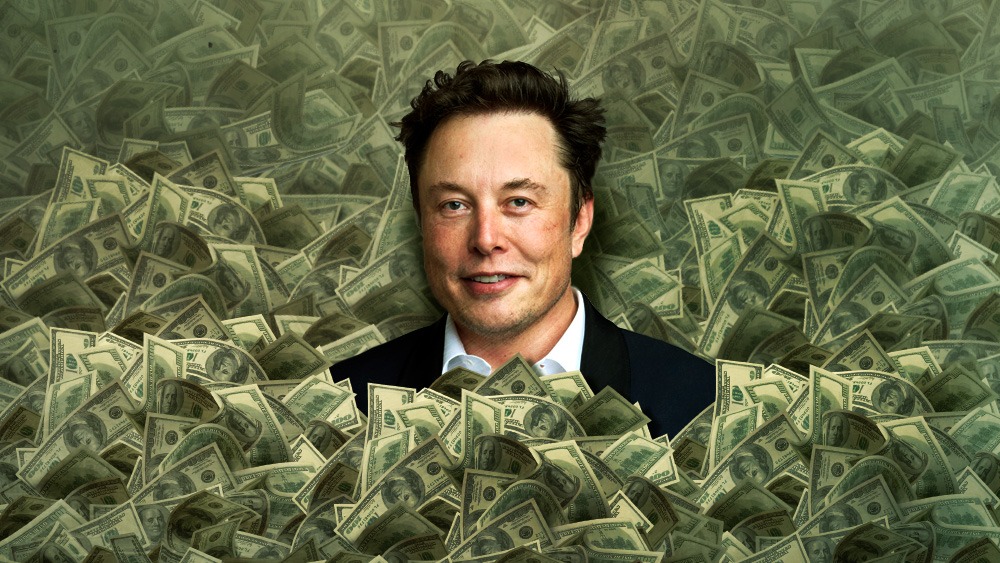
Executives and investors are scrambling this week as Elon Musk’s consolidation of SpaceX and xAI is forcing immediate reassessment of project timelines, capital commitments, and resource allocation. Across Tesla factories, venture firms, and private investment portfolios, decisions that had been progressing smoothly have now slowed or paused.
Teams responsible for AI deployments, autonomous robotics, and space-based initiatives are adjusting expectations overnight, uncertain how the merger affects current obligations and upcoming launches. The disruption is hitting while engineers and finance officers are mid-decision, creating a rare “freeze” in ongoing operations and capital deployment.
The change stems from SpaceX’s announcement that it will acquire xAI, the company behind the Grok AI chatbot. Musk framed the merger as a move to consolidate AI, robotics, space-based internet, and media under a single corporate roof, describing the initiative as an “innovation engine.” The announcement makes clear that the company will unify talent, data, and compute resources, but operational timelines, integration strategy, and governance remain unresolved.
The capital involved underscores the scale of the consolidation. Reports value xAI at $125 billion and SpaceX at $1 trillion, creating the most valuable private company ever.
Tesla had previously invested $2 billion in xAI, meaning that internal capital allocations now intersect across three Musk enterprises. Shares of Tesla have experienced minor volatility in response to the news, while private investors are pausing commitments to AI startups that might now be integrated under the new super company.
Even before any formal integration steps are completed, the merger is already reshaping the landscape for corporate and investor planning. Teams at Tesla are reassessing deployment schedules for Optimus humanoid robots, which had been slated to run in multiple factories independently of xAI.
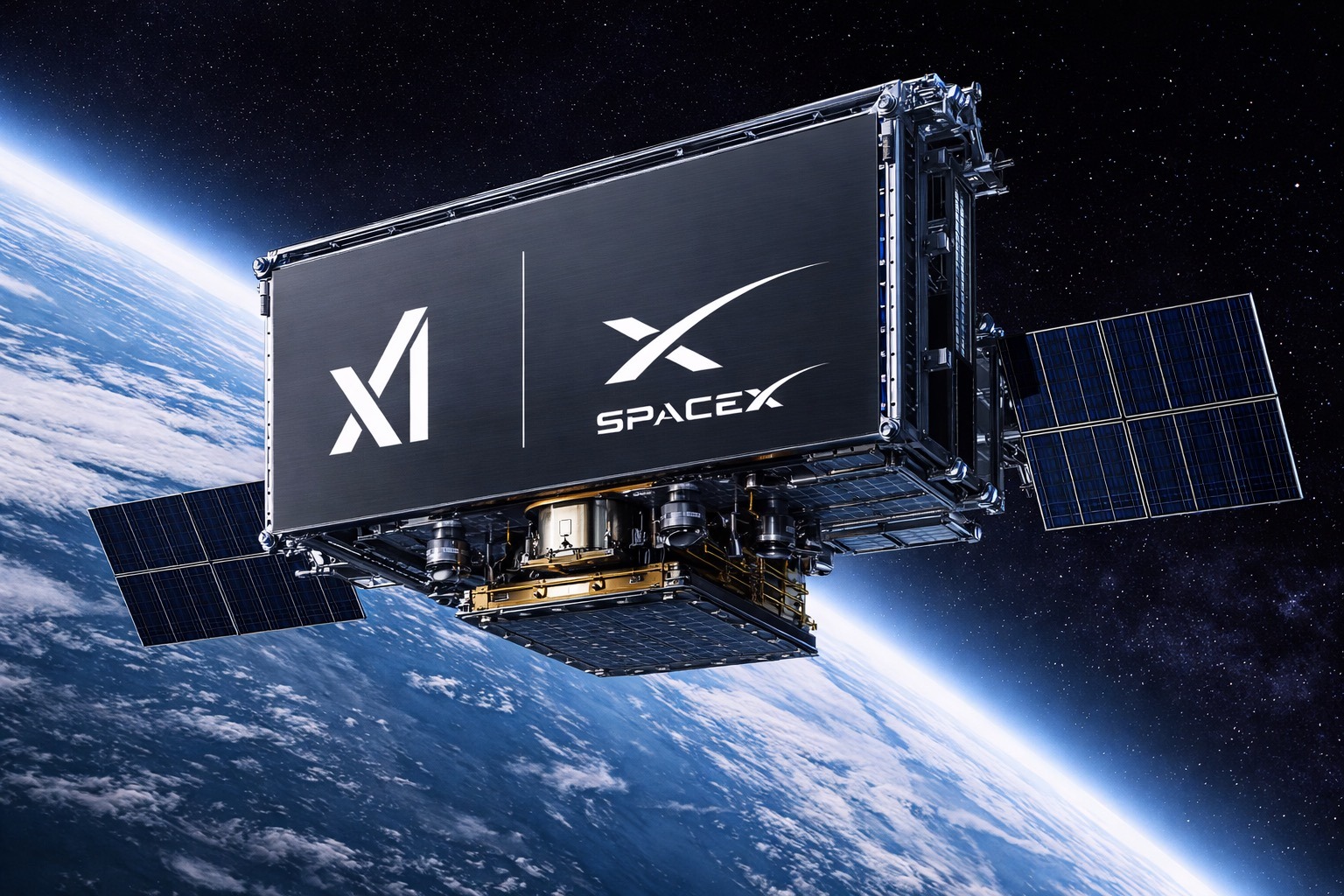
The SpaceX and xAI merger brings AI and space-based technology together, marking a major shift in how Musk’s private empire operates.
Venture capital firms working on AI and robotics are delaying new deals while the organizational structure of the merged entity becomes clearer. Decisions that previously moved quickly now require additional oversight, approval, and alignment across the Musk ecosystem.
Executives, analysts, and engineers are scheduled to meet this week to discuss the implications. Musk’s stated intent is to leverage AI across Tesla operations, particularly as an “orchestra conductor” for autonomous robotics.
The merger also envisions AI satellites and space-based data centers to supply compute at scale, a long-term plan that extends beyond immediate production needs. But for now, the practical effect is a pause in current projects, leaving engineers and financial officers navigating uncertainty.
The merger affects multiple layers of decision-making simultaneously. Tesla’s ongoing robotics programs, previously considered isolated from SpaceX or xAI, now need alignment with a broader corporate roadmap. Venture capital decisions in AI, previously scheduled for this quarter, are now under review by investment committees concerned about overlapping markets, potential competition, and valuation impacts.
Executives responsible for budget approval, hiring, and operational rollout are recalibrating expectations based on the consolidation, creating immediate delays in approvals, recruitment, and resource allocation.
For investors and partners, the disruption is tangible. Some have chosen to halt funding discussions for AI startups that could now be folded into SpaceX xAI. Others are delaying strategic collaborations until the integration plan is clarified.
Tesla’s own manufacturing schedule for humanoid robots has seen minor delays, with factory managers reporting a temporary slowdown in deployment while awaiting guidance on coordination with xAI systems. Stakeholders are acting cautiously, prioritizing certainty over speed, and waiting for clarity on governance and operational responsibilities.
The merger has also amplified regulatory attention. xAI’s Grok platform has been under scrutiny in recent weeks in Europe and the UK over AI-generated imagery concerns. With xAI now part of a much larger enterprise, companies working with or competing against the AI unit are assessing the impact on compliance, licensing, and oversight. Even internal projects are indirectly affected as legal teams and compliance officers advise on integration and risk mitigation.
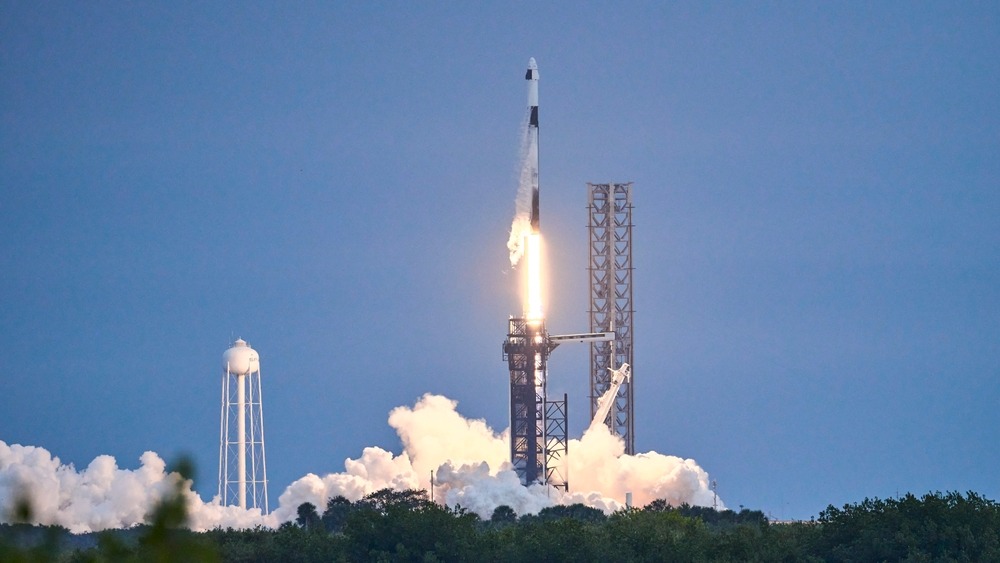
A SpaceX rocket launch highlights the merger’s focus on combining AI and space technology to advance Musk’s long-term ambitions.
Observers note that while Musk’s vision is ambitious, the immediate consequences for operational teams are significant. Projects that were progressing independently are now paused or restructured. Investment rounds in AI or robotics face additional review. Resources that would have flowed into experiments, new deployments, or satellite initiatives are temporarily held in check. The pressure is compounded by Tesla’s prior $2 billion investment in xAI, which creates cross-company accountability for decision-making that now intersects with SpaceX.
Employees, managers, and external partners are reacting in observable ways. Tesla engineers are waiting on integration instructions before launching new robotics workflows.
Venture investors are delaying funding rounds pending clarity on the corporate hierarchy and potential consolidation of overlapping startups. SpaceX project teams are adjusting satellite deployment schedules and AI experiment timelines while leadership determines how to merge compute, data, and human capital. Capital that might have been deployed immediately is now temporarily frozen.
This week’s developments make clear that the merger’s effects will unfold slowly. Operational integration, regulatory alignment, and internal governance will take months, and the immediate freeze in decisions may extend beyond the near term.
Stakeholders face two possible paths: if integration proceeds smoothly, project approvals, capital deployment, and production timelines could accelerate; if structural friction or compliance hurdles persist, delays could extend for weeks, leaving engineers and investors in a prolonged state of uncertainty. Either way, the consolidation has already reshaped expectations, slowed project timelines, and created a rare, high-pressure pause across Musk’s enterprise ecosystem.
The scale of the disruption is evident in both financial and operational measures. Investors are scrutinizing valuations, Tesla project managers are reassessing schedules, and venture capitalists are holding off on deals. Meanwhile, Musk’s vision for AI satellites and space-based compute remains in planning stages, with practical execution still months or years away. The immediate effect is a freeze on decisions that previously would have moved without hesitation, leaving stakeholders to navigate uncertainty in real time.
While Musk describes the merger as creating a “super company” that will enable multi-decade advances in space, AI, and robotics, the immediate reality is a pause across multiple projects, capital flows, and operational timelines.
Employees, investors, and partners are all responding to the new corporate structure, creating a rare instance of simultaneous disruption across an entire technology ecosystem. Decisions about what to fund, when to deploy, and how to coordinate have been delayed, producing tangible pressure that will persist until governance and integration plans are fully clarified.
For now, no full integration has occurred, no timelines are fixed, and no capital has been fully committed, leaving employees, investors, and partners all waiting as the scope of Musk’s super company begins to take shape.