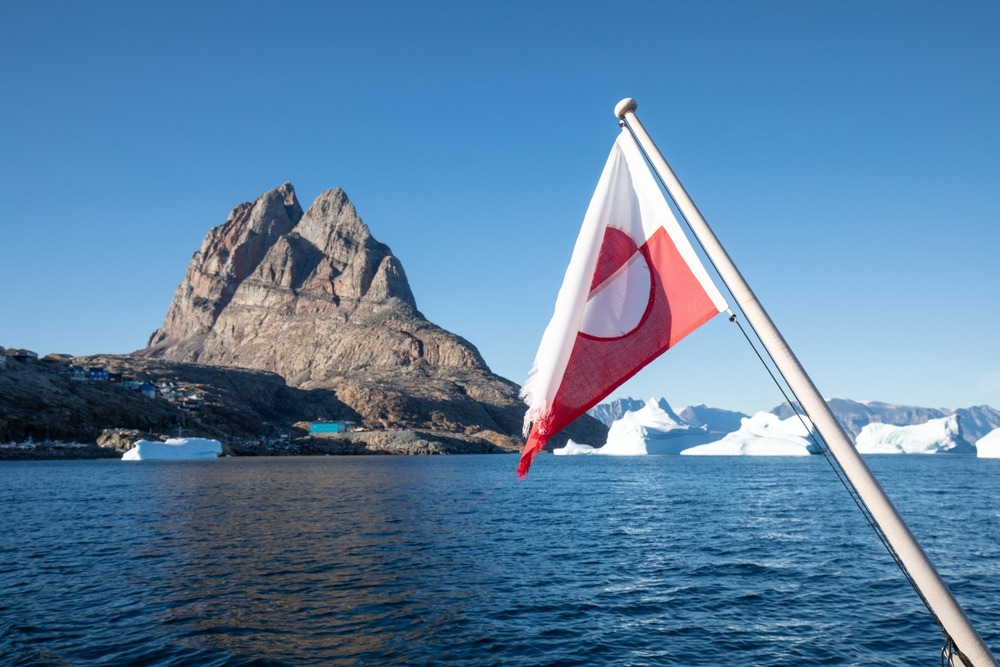
The White House recently confirmed that President Donald Trump is actively exploring options to acquire Greenland, including potential military measures, which has triggered widespread alarm across Europe, within NATO, and in global financial circles. What began as a casual comment about real estate during his first term has evolved into a serious strategic confrontation over one of the planet's most prized territories. Beneath its vast ice sheet, Greenland harbors immense wealth and positional advantages that could significantly alter international power dynamics, drawing intense scrutiny from leaders and analysts alike.
Why Greenland Has Emerged as the Planet's Most Coveted Island
Greenland stands as the largest island globally, spanning over 2.1 million square kilometers, with roughly 80 percent blanketed in ice that climate shifts are steadily revealing. Experts have long recognized its potential, but recent developments highlight a resource bonanza valued at potentially $1.5 trillion or more, based on extraction feasibility and market needs, excluding its immense military significance.
The island's appeal stems from several key assets. Rare earth elements abound in untapped reserves, rivaling those dominated by China, and these materials prove essential for manufacturing electric vehicles, wind energy systems, consumer electronics, and advanced defense technologies. Geological assessments indicate substantial offshore oil and gas deposits, especially along the northeastern and western shores, becoming more viable as ice recedes. Additionally, explorers have uncovered deposits of gold, platinum, zinc, iron ore, uranium, and rubies, positioning Greenland as a critical player in global supply chains amid rising demands for sustainable and secure resources.

US President Donald Trump at a recent black tie event.
The Driving Forces Behind Trump's Pursuit of Greenland
Trump's fascination with Greenland traces back to his initial presidency, when he publicly suggested buying it as a straightforward property transaction, a notion Denmark initially dismissed lightly. Recent statements from the White House, however, indicate a sharpened focus, with advisers emphasizing national imperatives in light of evolving global threats.
National security concerns top the list, as the Arctic transforms into a contested arena where Russia bolsters its coastal defenses and China expands its influence through investments. Greenland's location bridges North America and Europe, serving as a vital hub for missile tracking, radar installations, and emerging sea routes. The United States maintains Pituffik Space Base there, formerly known as Thule Air Base, which forms a key part of missile warning networks, and outright ownership would remove reliance on Danish oversight and alliance approvals.
Economic autonomy also plays a pivotal role, given China's grip on rare earth markets, a vulnerability Trump has consistently targeted for resolution. Furthermore, diminishing Arctic ice opens shorter trade paths between major continents, and controlling Greenland would secure a strategic entry point, enhancing long-term U.S. advantages in commerce and defense.
Assessing the Possibility of U.S. Military Involvement
White House officials have openly stated that military action remains a viable path, a declaration that has provoked strong reactions from allies and international observers. Denmark, as a NATO partner, oversees Greenland as an autonomous region under established legal frameworks, making any forceful approach a direct breach of alliance commitments and United Nations principles.
Danish Prime Minister Mette Frederiksen responded firmly, asserting that such a move would dismantle NATO entirely. Support has poured in from European nations like the United Kingdom, France, Germany, Italy, Spain, and Poland, all reaffirming commitments to sovereignty. Privately, officials grapple with the implications of the world's leading military power challenging its own coalition, a scenario that reshapes diplomatic norms.
Voices from Greenland: Fear and Defiance Amid the Tension
Greenland's 57,000 inhabitants, many of Inuit heritage, find themselves at the heart of this high-stakes drama, often feeling overlooked in broader discussions. While a significant portion favors greater autonomy or full independence from Denmark, the prospect of U.S. absorption meets near-universal opposition, rooted in cultural preservation and self-determination.
One local resident expressed deep unease, describing the rhetoric as terrifying and reductive, treating their homeland like a mere commodity. Greenland's Prime Minister Jens-Frederik Nielsen advocates for constructive conversations, underscoring that international laws safeguard their status, and emphasizes the human element in what others view as a geopolitical chessboard.
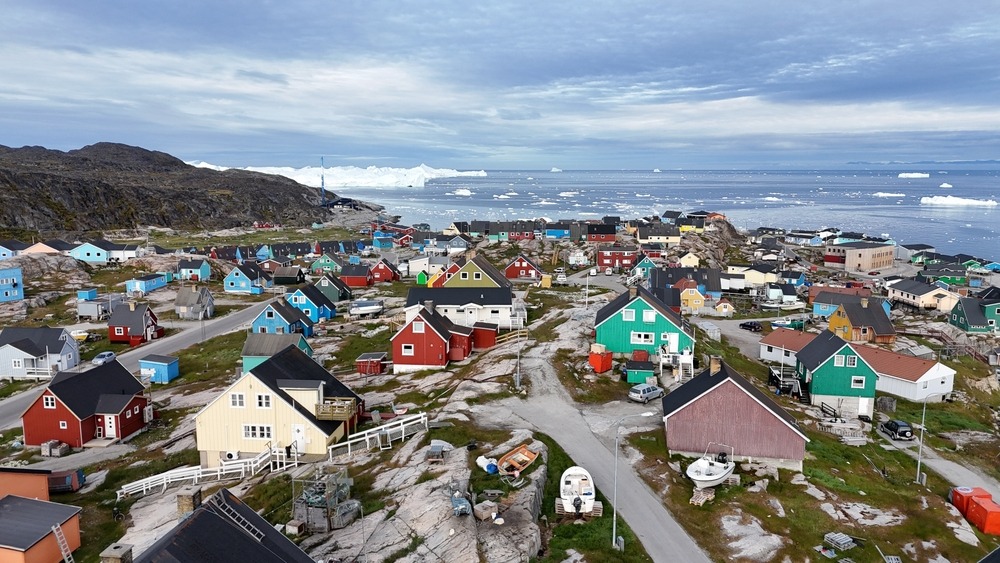
A Greenlandic coastal town seen from above, where daily life unfolds far from the global power struggle now focused on the Arctic island.
The Risk of Escalation: Could This Ignite Broader Conflict?
Analysts now seriously consider the potential for this situation to fracture global stability, though a worldwide war appears remote. A U.S. advance on Greenland might provoke an internal NATO meltdown, compelling members to side between loyalty to Washington and adherence to legal standards, while inviting exploitation by adversaries like Russia and China.
Such developments could unravel longstanding security pacts, heighten Arctic tensions, and prompt countermeasures in other regions, amplifying uncertainties in an already volatile world. Recent joint statements from European leaders, including those from France and the United Kingdom, highlight solidarity with Denmark, signaling a unified front against unilateral actions.
Key Insights: Addressing Common Queries on the Greenland Standoff
What historical precedents exist for U.S. interest in acquiring Greenland?
The United States has eyed Greenland since the 19th century, with formal offers in 1867 and 1946, driven by strategic needs during the Cold War era for defense against Soviet threats. In modern times, Trump's 2019 proposal marked a revival, but the 2026 discussions introduce military considerations absent in prior attempts, reflecting heightened Arctic competition and resource scarcity, which could influence future territorial negotiations worldwide and set new norms for alliance dynamics.
How might climate change accelerate the race for Greenland's resources?
Rising temperatures melt Greenland's ice at unprecedented rates, exposing mineral deposits and easing access to offshore energy reserves, potentially boosting extraction by 20-30 percent in the coming decades according to scientific models. This shift not only heightens economic viability but also intensifies environmental risks, such as ecosystem disruption and sea-level rise, prompting calls for sustainable development frameworks that balance profit with planetary health amid international scrutiny.
What economic impacts could a U.S. acquisition have on global markets?
Securing Greenland might reduce U.S. dependence on foreign rare earth supplies, stabilizing prices for tech and renewable sectors, with potential savings in the billions annually for industries reliant on these materials. However, it could spark trade disputes, elevate commodity costs short-term due to geopolitical uncertainty, and reshape alliances, affecting stock markets in energy and mining, while fostering innovation in alternative sourcing strategies across Europe and Asia.