Companies are already changing contracts, prices, and supply plans — even though nothing has been ratified.
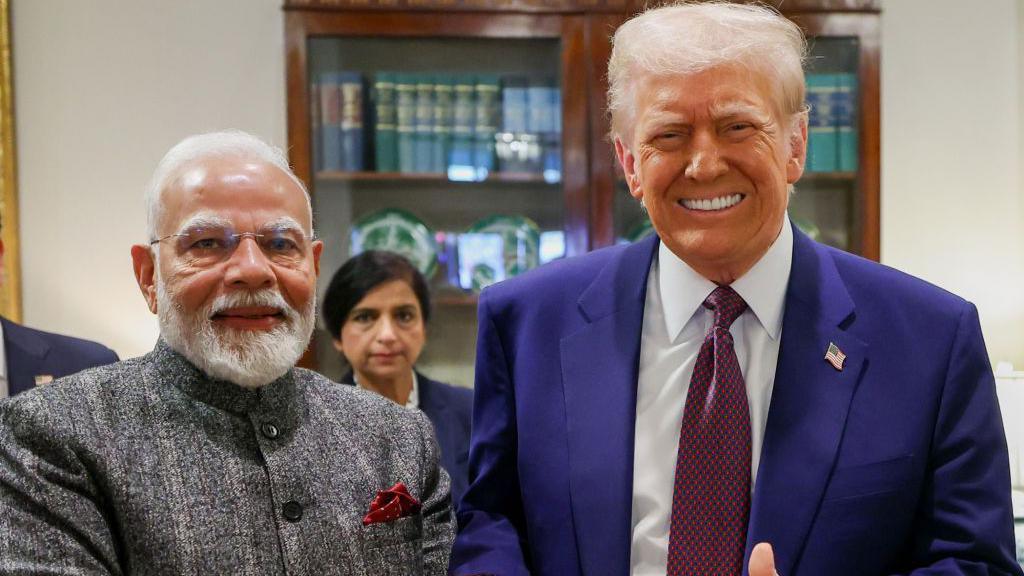
After Donald Trump said the United States and India agreed to cut tariffs and expand exports following a call with Prime Minister Narendra Modi, businesses were left with a familiar problem: act now, or risk being wrong-footed later.
Even before formal approval, the announcement is creating immediate pressure on manufacturers, exporters, and markets. U.S. companies must decide whether to adjust contracts now or risk higher tariffs later, while India’s commitment to reduce Russian oil purchases adds both geopolitical tension and immediate recalibration of energy supply flows.
Market response was swift: Indian equities jumped, while U.S. energy and technology stocks rose as traders priced in anticipated export growth. The announcement signals broad economic ripple effects even before any legal ratification.
Trump also said the deal will lower reciprocal tariffs from 25% to 18%, effective immediately as agreed with Modi. Companies across auto, tech, and industrial sectors are assessing the impact on procurement costs, pricing, and supply chains. Commodities and energy traders are already factoring in potential shifts in U.S.-India trade flows.
Details on operational execution are still being finalized. The Ex-Im Bank is expected to participate in financing, while both governments must formalize tariff adjustments through legislative or regulatory processes. Until then, businesses face uncertainty, and any misstep could disrupt contracts and supply chain planning.
The agreement is part of a broader push to strengthen U.S. manufacturing competitiveness while countering perceived market manipulation by China and limiting reliance on Russian energy. Strategic stakeholders, from policymakers to industrial leaders, are watching closely to see how quickly commitments translate into actionable trade.
Nothing has been ratified yet.
But companies, markets, and policymakers are already recalibrating — and the first ripple may be just the beginning.