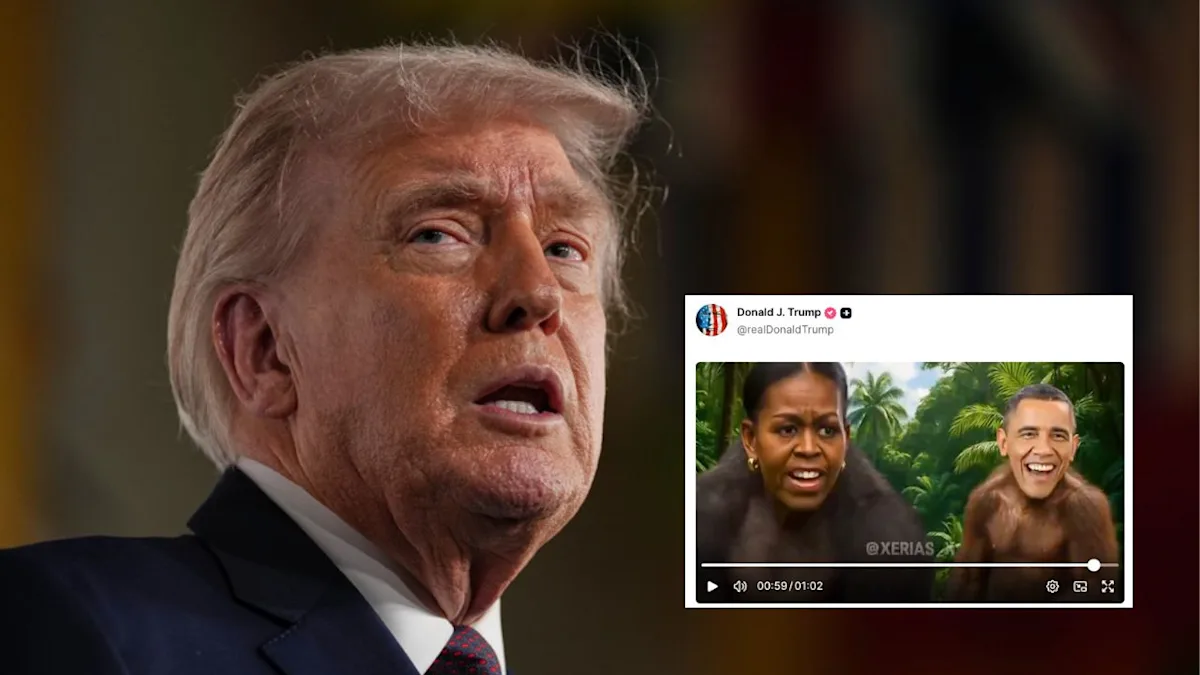
The 62-second clip focused mainly on debunked conspiracy theories about voting machine anomalies in the 2020 election. Toward the end, it included a brief AI-generated segment showing the Obamas' faces superimposed on ape bodies, dancing in a jungle setting to "The Lion Sleeps Tonight" by The Tokens.
The video originated from an X account known as @xerias_x, which first shared a similar meme in October 2025 depicting Trump as a lion and various Democrats as other animals from The Lion King.
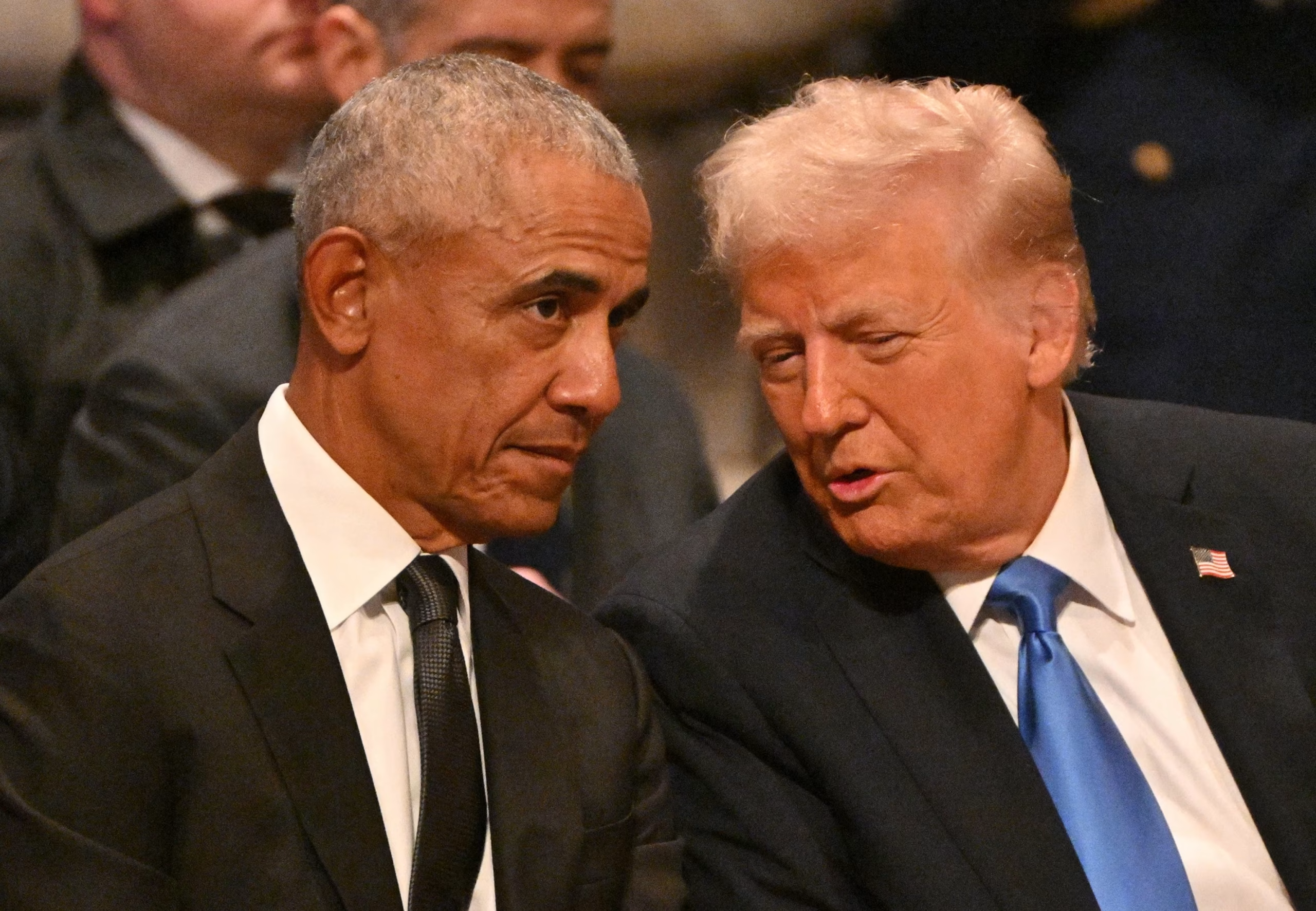
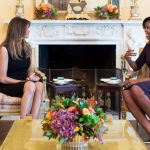
Trump and Obama at a funeral last year, highlighting their ongoing public tensions as recent posts reignite debate and controversy.
Widespread Backlash Emerges
Reactions poured in quickly from both sides of the aisle. California Governor Gavin Newsom's press office described the post as disgusting behavior by the President and called on every Republican to denounce it publicly.
The X account Republicans Against Trump labeled it racist and declared that there is no bottom to such actions. Anti-Trump conservatives echoed these sentiments, accusing the President of pushing harmful racial stereotypes while clinging to discredited election narratives.
Prominent figures like Ben Rhodes, a former Obama advisor, took to social media to call Trump a historical stain and highlight the racism underlying the imagery. The portrayal of Black individuals as apes draws on a long history of dehumanizing tropes rooted in slavery and segregation, which experts say makes the video especially inflammatory.
White House Response and Questions of Intent
White House Press Secretary Karoline Leavitt defended the post in a statement, explaining it as part of an internet meme showing Trump as the king of the jungle and Democrats as Lion King characters.
She urged critics to drop the fake outrage and focus on issues that matter to Americans. Despite this, it remains unclear if Trump personally reviewed or approved the specific imagery before sharing.
Shortly after the controversial video, Trump posted another clip celebrating Black conservative leaders in the Republican Party, including figures like Clarence Thomas and Ben Carson.
This juxtaposition has puzzled observers, raising questions about the President's judgment and whether the timing was intentional or coincidental.
Roots in a Long-Standing Rivalry
This incident fits into a pattern of antagonism between Trump and the Obamas that stretches back over a decade. Trump first gained political attention by promoting the false birther conspiracy, claiming Obama was not born in the United States and thus ineligible for the presidency.
Over the years, Trump has repeatedly targeted the Obamas with personal attacks, including during his campaigns and time in office.
The latest post revives these tensions at a moment when Trump is navigating his second term and eyeing potential influence in future elections. Critics argue it undermines Republican outreach to Black voters, a demographic the party has sought to court in recent years.
Rapid Spread on Social Media
The video spread like wildfire across platforms like X and Truth Social, amassing thousands of views, likes, and shares within hours. Users amplified the controversy by contrasting Trump's election rhetoric with the offensive visuals, leading to trending hashtags and calls for accountability.
Conservatives critical of Trump warned that such content harms the party's image, while Democrats pointed to it as evidence of persistent racial tactics designed to energize his base. On X, posts from accounts like @LucasSa56947288 and @Variety detailed the video and its implications, further fueling the online storm.
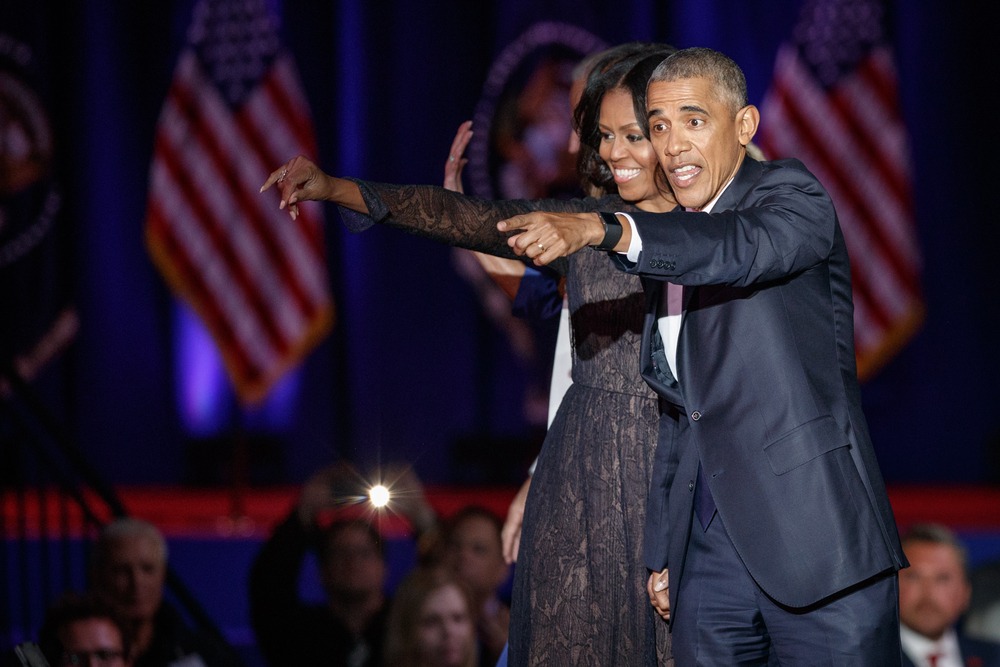
The Obamas connect with supporters on stage, a reminder of their widespread appeal as Trump’s recent post sparks renewed backlash.
Mounting Pressure on the GOP
Republican leaders now face tough questions about their response. Some within the party, including anti-Trump factions, demand clear condemnations, suggesting that silence equates to complicity.
This adds to internal GOP strains, as debates rage over Trump's dominance and his possible role in shaping the 2028 landscape.
The episode highlights broader divisions, with some Republicans defending free speech and memes, while others see it as a step too far that alienates key voter groups.
Looking Ahead
As the story dominates headlines, journalists, activists, and officials are monitoring for any escalation. Trump has a history of doubling down on controversies, but he could also offer clarification or pivot to other topics.
For many Americans, this serves as yet another divisive moment in Trump's ongoing saga, prompting reflection on leadership, race, and the role of social media in politics. The conversation shows no signs of fading, with real-time developments continuing to unfold.