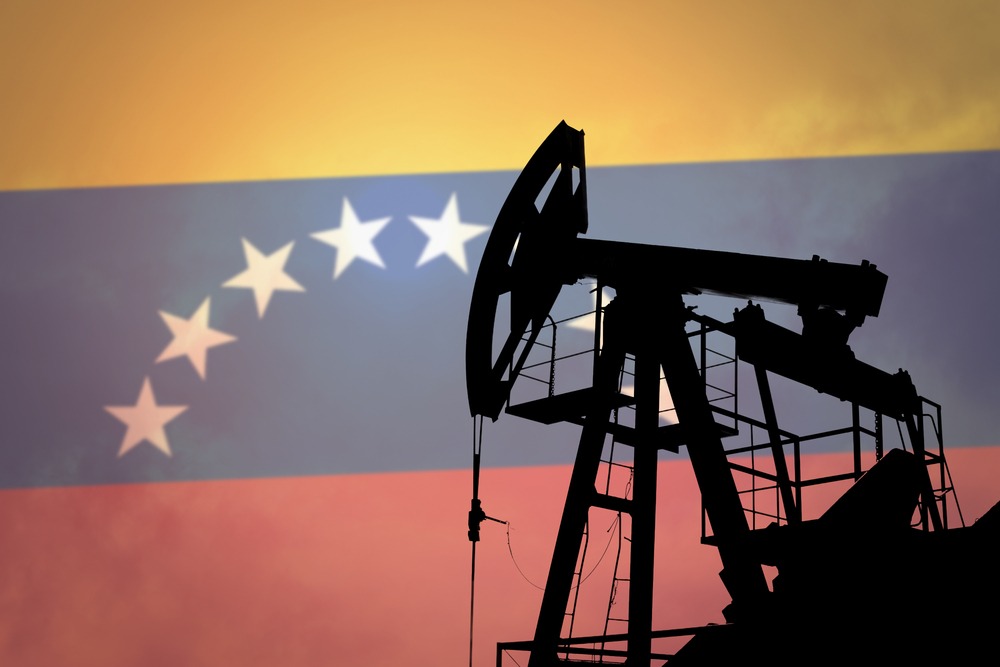
President Donald Trump made headlines this week by revealing that Venezuela's interim authorities have agreed to transfer between 30 million and 50 million barrels of oil directly to the United States, a move that could deliver up to $2.8 billion in value based on recent market estimates.
This announcement comes amid fresh turmoil in global energy markets, following the U.S. capture of former Venezuelan leader Nicolás Maduro, and it underscores the immense strategic importance of this resource in today's volatile world. With oil prices reacting swiftly to the news, dropping to around $57 per barrel for U.S. crude, the deal highlights not only immediate financial gains but also long-term implications for energy security and international relations.
How Much Is Venezuela’s Oil Worth Right Now?
Recent fluctuations have seen benchmark crude prices settle between $56 and $60 per barrel, influenced heavily by this very announcement and ongoing Middle East tensions. At these levels, the lower end of the transfer, 30 million barrels, equates to approximately $1.7 billion, while the upper limit of 50 million barrels could reach about $2.8 billion, aligning with statements from Trump and energy analysts.
Trump emphasized that this high-quality crude would be sold at prevailing market rates, with the U.S. government managing the proceeds to ensure they support both American interests and Venezuelan recovery efforts. This sum rivals the yearly economic output of some smaller countries, and it arrives at a critical moment when energy costs are a top concern for consumers everywhere.
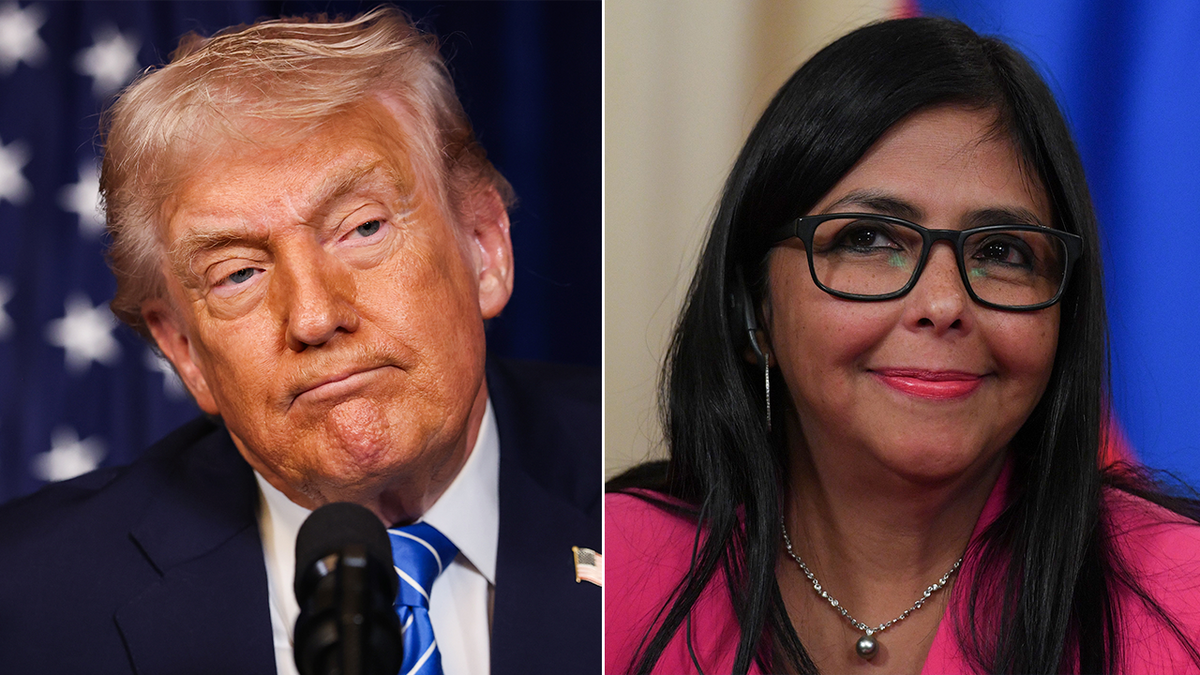
Donald Trump and Delcy Rodríguez in separate addresses, highlighting the tense political and diplomatic divide between the US and Venezuela.
Why This Oil Is Especially Valuable
Venezuelan crude stands out due to its specific characteristics, which make it particularly suited for U.S. refining capabilities along the Gulf Coast, where facilities are equipped to handle heavier grades efficiently. Much of this oil has been sitting in storage, impacted by years of sanctions, and its immediate availability means it can enter the market without the delays typical of new production. Energy experts note that sanctioned supplies often trade at a discount, offering potential for higher returns if geopolitical conditions improve, and Trump's administration has prioritized quick shipment via existing vessels to U.S. ports. Chris Wright, the Energy Secretary, is overseeing the logistics to execute this rapidly, turning what was once stranded assets into a timely boost for domestic supplies.
Venezuela’s Oil Empire: A Trillion-Dollar Prize
Beneath Venezuela's surface lies the world's largest proven oil reserves, estimated at 303 billion barrels, surpassing even Saudi Arabia and representing nearly 20 percent of global totals. Valued at current prices, this vast resource could exceed $17 trillion, yet production has plummeted from a peak of 3.5 million barrels per day in the late 1990s to around 960,000 barrels daily in recent years, hampered by mismanagement, corruption, and international restrictions.
Trump has voiced plans for major U.S. oil companies to invest billions in repairing infrastructure, potentially revitalizing output and creating economic benefits for the region. This vision positions the U.S. as a key player in unlocking Venezuela's potential, especially after the recent overthrow of Maduro, which has opened doors for renewed collaboration.
Why Trump Is Moving Now
Global events have created an urgent window for action, with conflicts in the Middle East, OPEC's output limits, and escalating rivalries among major powers all contributing to market uncertainty. By securing this oil transfer immediately after Maduro's capture, Trump aims to establish leverage in energy negotiations, build a strategic reserve against disruptions, and signal strength to international observers.
He drew a sharp contrast with past conflicts like Iraq, where he claims opportunities were missed, stating that this time the focus is on retaining control over valuable assets. This calculated timing not only addresses current supply pressures but also sets the stage for broader U.S. influence in Latin American energy dynamics.
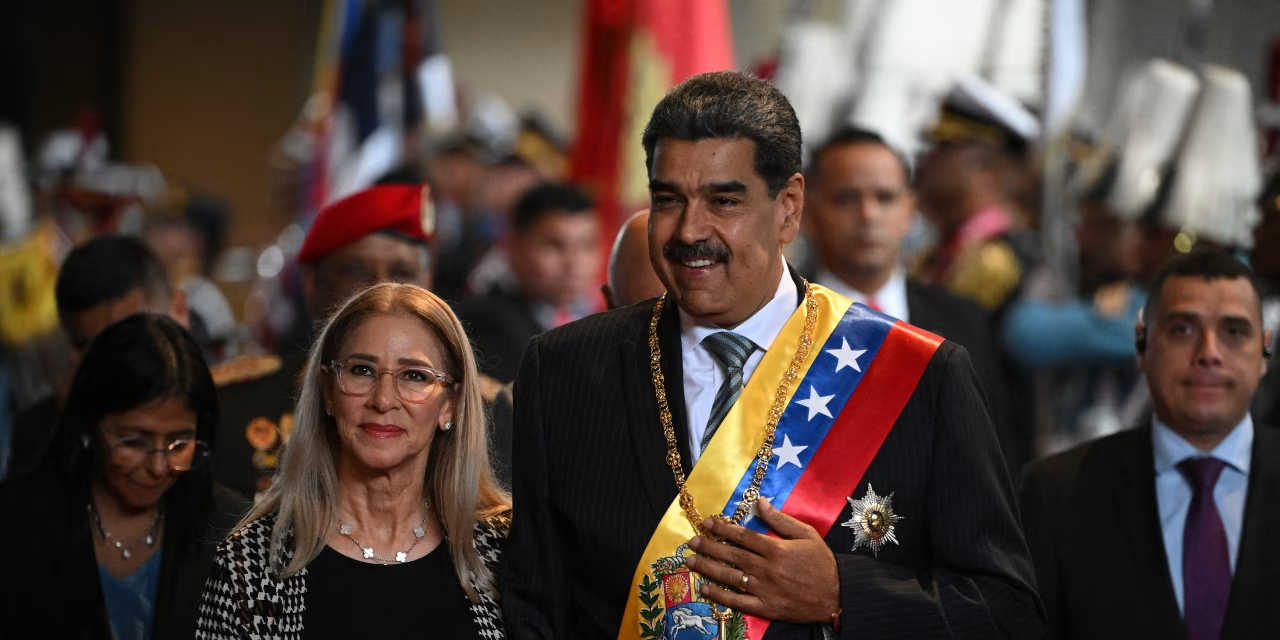
Cilia Flores and President Nicolás Maduro pose together on a red carpet, reflecting the couple’s prominence in Venezuelan political and social life.
Who Gets the Money — And Why It’s Controversial
Trump has committed to personally directing the use of proceeds, positioning the funds as a safeguard against past Venezuelan corruption while aiding humanitarian needs and U.S. priorities. However, this approach has sparked debate over legal ownership of the oil, potential violations of international norms, and the ethics of redirecting sanctioned resources.
Proponents argue that monetizing these idle barrels benefits Venezuelans suffering from economic collapse, far better than allowing them to remain unused, and that existing sanctions justify U.S. involvement. Critics, including some international bodies, question the transparency and long-term implications, but the administration maintains that the deal complies with legal frameworks established during prior sanction periods.
Will This Lower Gas Prices?
The influx of up to 50 million barrels represents a notable addition, though it pales against the U.S. daily consumption of about 20 million barrels, meaning any direct impact on pump prices might be modest and delayed. Analysts suggest the real effect could come through market psychology, as traders anticipate increased Venezuelan supply under U.S. guidance, potentially stabilizing or reducing futures contracts.
Energy stocks have already shown volatility in response, and refiners may benefit from access to discounted feedstock, which could trickle down to consumers over time. If infrastructure investments succeed in boosting production to 1.3 million barrels per day within two years, as some forecasts predict, the longer-term reshaping of global flows might offer more sustained relief at the gas station.
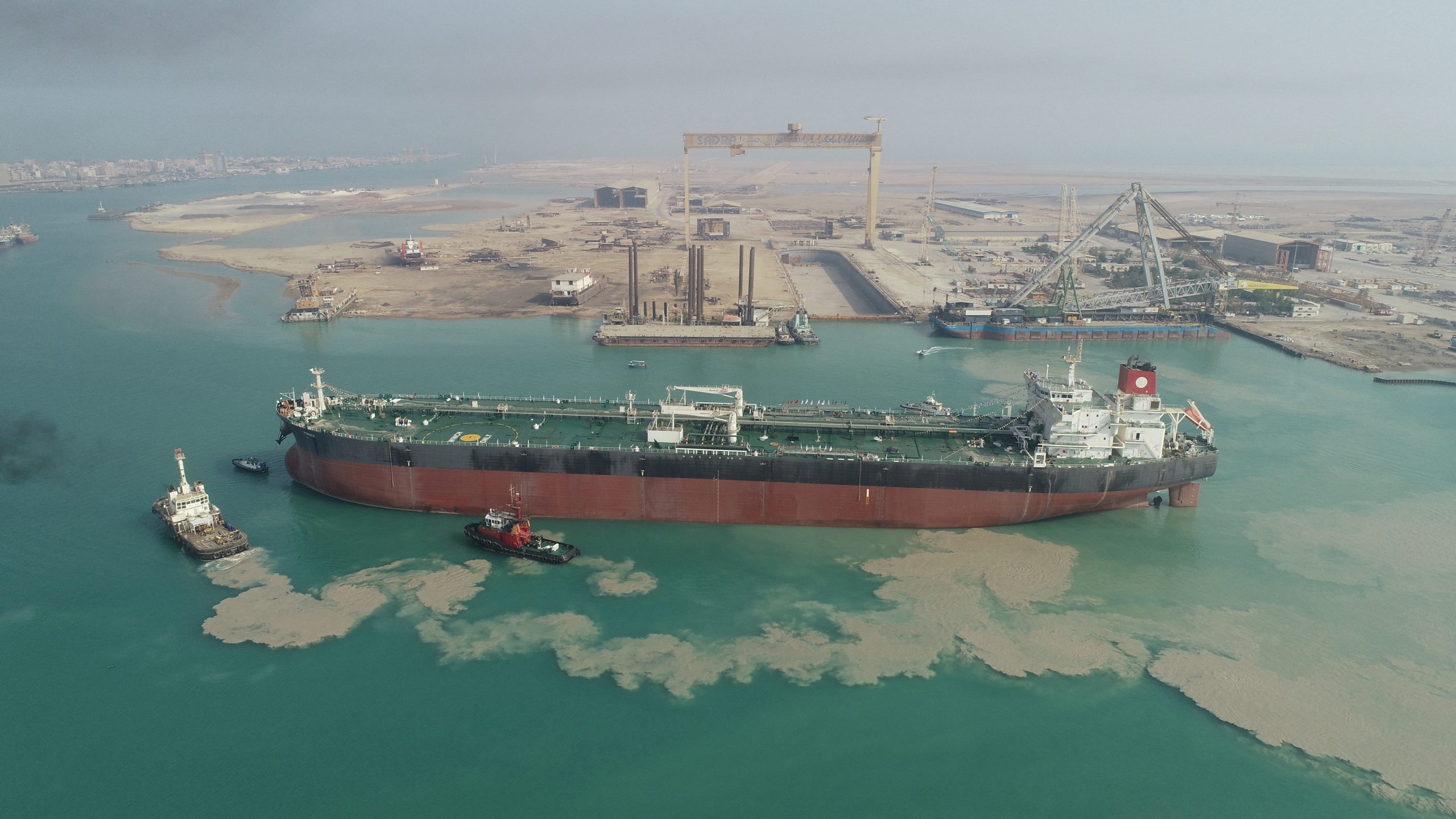
A vessel resembling the seized Skipper tanker, the focus of escalating tensions between the US and Venezuela.
Burning Questions on the Venezuela Oil Transfer
What Impact Will This Have on U.S. Energy Independence?
This deal bolsters U.S. energy independence by adding a substantial buffer to domestic reserves without relying on adversarial suppliers, potentially reducing vulnerability to overseas disruptions for at least the next few months. Beyond the immediate barrels, it paves the way for American firms to engage in Venezuela's revival, fostering partnerships that could secure reliable imports and diversify sources away from Middle Eastern volatility. With domestic production already strong, this strategic move enhances overall resilience, allowing policymakers to focus on innovation in renewables while maintaining a firm grip on traditional fuels during the transition period.
How Does Maduro's Capture Tie Into the Oil Announcement?
The U.S.-led capture of Nicolás Maduro earlier this month directly enabled this oil transfer by installing an interim government more amenable to cooperation, removing a key barrier that had stalled negotiations for years. This shift not only resolved longstanding diplomatic tensions but also accelerated the release of sanctioned assets, as the new authorities seek to stabilize their economy through U.S. support. The timing suggests a coordinated effort, with Trump's team leveraging the political change to extract concessions that benefit both nations, while sending a broader message about accountability in resource-rich countries facing governance challenges.
Could This Deal Spark Tensions with Other Oil-Producing Nations?
Yes, this arrangement might heighten rivalries with OPEC members and Russia, who could view increased Venezuelan output under U.S. influence as a threat to their market share and pricing power. If production ramps up significantly, it could flood the market, prompting retaliatory cuts or diplomatic pushback from nations like Saudi Arabia, already navigating their own supply strategies. However, some experts believe it could encourage dialogue, as global demand grows and collaborative efforts become necessary to balance supply amid rising geopolitical risks.