

Employees at The Washington Post found their positions eliminated overnight leaving sports local and foreign reporters without work as of Wednesday.
Staff across multiple departments received layoff notices this week with newsroom teams now scrambling to adjust ongoing coverage schedules. For those in the foreign bureau and metro desks work that was active just hours earlier is now paused and assignments have stalled indefinitely.
The layoffs announced on February 4 2026 affected approximately 300 journalists out of about 800 in the newsroom representing a cut of around one third of the entire workforce including business side employees.
This included the complete elimination of the sports section the closure of several foreign bureaus and the end of books coverage. Photographers editors and support staff were also impacted leading to a significant reduction in operational capacity.
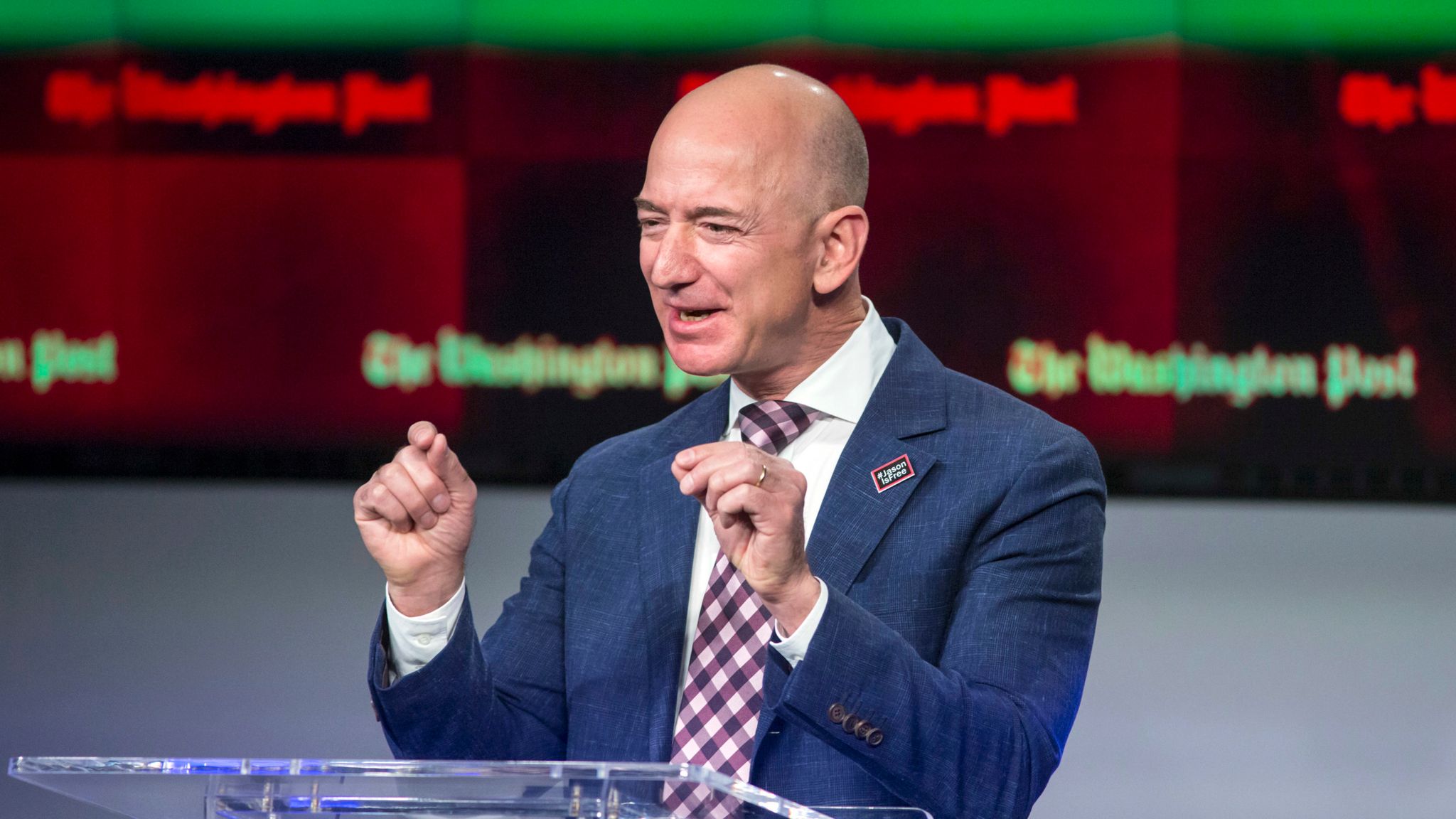
Amazon founder Jeff Bezos addresses an audience, amid scrutiny over his leadership and the Washington Post’s sweeping staff reductions.
Coverage of Key News Areas Disrupted
The cuts have hit the most visible beats hard particularly sports local and foreign reporting. Foreign correspondents who were covering ongoing crises including Ukraine and the Middle East were among those let go leaving critical stories with reduced on the ground reporting.
Metro news in Washington DC also faces gaps slowing updates on local policy and government developments that readers rely on daily. The paper is restructuring its local coverage dramatically gutting the metro department and suspending its flagship daily news podcast Post Reports.
These changes come amid broader financial struggles with the organization reporting losses of about 100 million dollars in 2024 partly due to declining traffic influenced by AI tools and reduced content output. As a result the focus is shifting toward national politics security and technology beats to stabilize the business.
Executive Decisions Trigger Staffing Collapse
The reductions follow an internal directive by Executive Editor Matt Murray authorized under Amazon founder Jeff Bezos to reshape staffing and editorial priorities.
While intended to stabilize the paper financially the immediate effect is a newsroom operating with fewer journalists editors and resources to manage live reporting. Murray and HR chief Wayne Connell informed staff in an early morning virtual meeting about the closures and cuts across all teams.
Former executive editors have described this as one of the darkest days in the newspapers history calling it an absolute bloodbath. The Washington Baltimore News Guild representing employees has suggested the need for a new owner to address ongoing issues.
Financial Reductions Show Immediate Consequences
Approximately one third of staff positions have been eliminated representing a significant drop in newsroom payroll and operational capacity. Salaries cut include roles ranging from entry level reporters to senior foreign editors directly affecting the papers ability to deliver consistent coverage.
Readers may already notice gaps in breaking news and investigative reporting due to these immediate cuts. The organization has been pulling back from major events such as on site coverage of the Winter Olympics in Italy which started weeks after the announcements. Staff morale has plummeted with rumors of the cuts circulating for weeks prior leading to widespread anxiety.
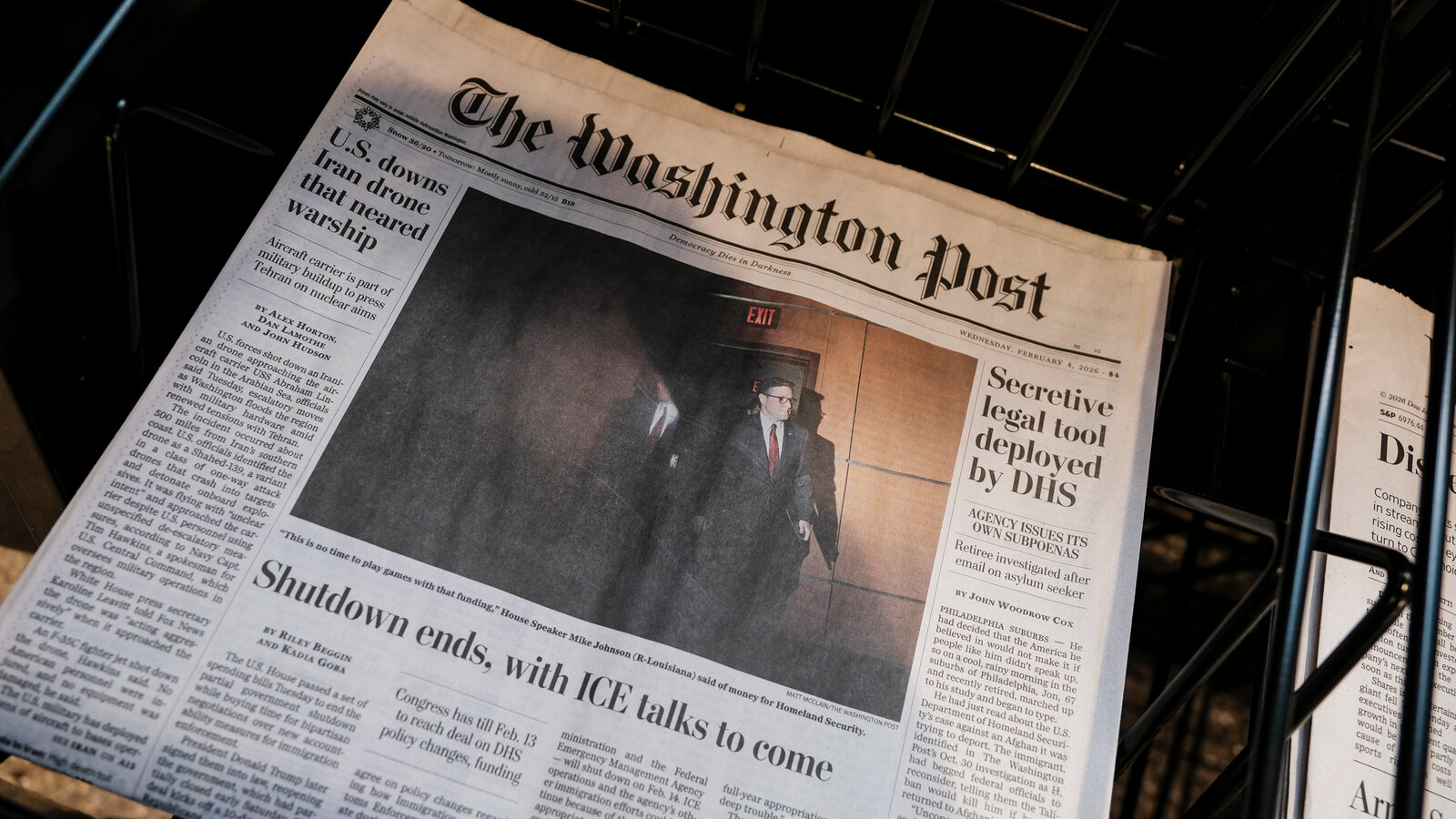
The Washington Post’s front page reflects the impact of sweeping newsroom cuts, highlighting the paper’s scaled-back reporting amid corporate changes.
Daily Reporting Faces Delays and Adjustments
Remaining staff have been forced to redistribute beats and prioritize certain stories over others. Freelancers may be called in temporarily but coverage of international and regional news remains limited. Publication schedules are disrupted and delayed articles affect both print and digital audiences.
For readers the consequences are immediate fewer updates less context on developing events and delayed investigative pieces. Laid off employees will remain on payroll through April 10 2026 though they are not required to work during this period allowing time for job searches or transitions. This severance arrangement provides some buffer but underscores the abrupt nature of the changes.
What People Are Doing Differently
Reporters are reassigning stories to fewer team members editors are revising content pipelines and freelance contributions are being evaluated for urgent coverage. Readers and subscribers may see slower reporting on major events and journalists affected by the layoffs are seeking new employment or freelance work while adjusting to sudden unemployment.
Some former staff have taken to social media to announce their availability for new opportunities highlighting their expertise in areas like international reporting or sports journalism. Public figures including Speaker Emerita Nancy Pelosi have commented on the broader implications warning that such cuts weaken democracy by starving newsrooms of resources needed to hold power accountable.
Future of News Coverage Remains Uncertain
If staffing reductions persist The Washington Post will continue operating with a leaner team leaving potential gaps in key news beats. If hiring resumes or coverage is redistributed effectively reporting could normalize but the current disruption leaves readers and staff uncertain about ongoing access to critical news.
Analysts predict this is part of a larger 2026 jobs bloodbath in media with similar cuts at other outlets reflecting industry wide challenges. The papers leadership has described the actions as difficult but decisive aiming for long term sustainability amid evolving reader habits and technological shifts.