TL;DR
- Oil has surged above $110 as geopolitical risk around Iran and the Strait of Hormuz intensifies.
- Markets are pricing disruption now, long before any final military outcome is clear.
- The real economic damage begins in higher energy costs, inflation pressure, and business uncertainty.
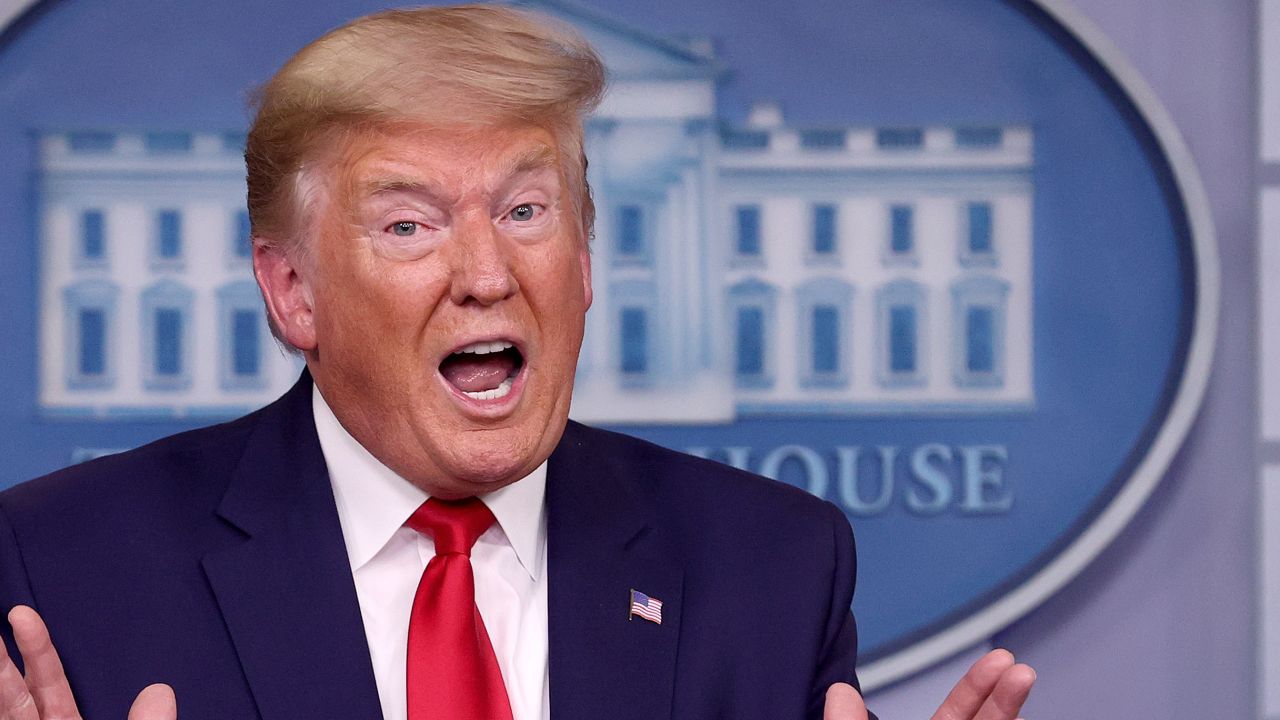
Donald Trump’s threat to “take out” Iran in a single night is not just a geopolitical headline. It is already feeding through into oil prices, market volatility, and the cost of everyday economic activity. Within hours of the escalation, crude moved sharply higher and investors began reassessing risk across equities, currencies, and interest rate expectations.
Most people assume the financial damage from a conflict begins when infrastructure is destroyed or trade is physically disrupted. In reality, the first and often most immediate losses occur earlier, when markets begin to price uncertainty into energy, transport, and capital costs. That shift is already underway, and it is why this story matters far beyond foreign policy.
Why did markets react so quickly?
Markets do not wait for confirmation; they react to credible risk. Once Trump linked military escalation directly to the reopening of the Strait of Hormuz, the probability of disruption to a critical global energy route increased in the eyes of traders and businesses alike.
The result was immediate repricing. Oil rose above $110 per barrel, equity markets pulled back, and expectations around inflation and interest rates shifted. Investors who had been assuming a contained conflict or a near-term diplomatic resolution began to reassess that view. What this means in practice is that the economic consequences begin as soon as the range of possible outcomes widens, not when a specific outcome is confirmed.
This is where the first layer of loss actually occurs. Companies hedge fuel at higher prices, airlines adjust fares and routes, and investors demand a premium for uncertainty. None of this requires escalation to continue; it only requires the perception that escalation is plausible.
What mechanism is driving the financial impact?
At the centre of this story is the Strait of Hormuz, one of the most important chokepoints in the global energy system. A significant share of the world’s oil and gas supply moves through this corridor, which means any threat to its stability immediately affects global pricing.
When access to that route becomes conditional on political or military outcomes, the system reacts in predictable ways. Energy prices rise, transport costs increase, and supply chains face new friction. These costs then move outward through the economy, affecting everything from manufacturing to retail pricing.
The decision threshold that mattered here was not whether conflict would escalate fully, but whether markets believed the risk to Hormuz was now material. Once that threshold was crossed, higher energy prices became the rational baseline rather than a worst-case scenario.
From there, the transmission mechanism is straightforward. Higher energy costs feed into logistics, production, and ultimately consumer prices. Businesses either absorb those costs through reduced margins or pass them on, contributing to inflationary pressure. At the same time, central banks must reconsider whether inflation will remain elevated, which in turn affects borrowing costs and investment decisions.
What do people misunderstand about stories like this?
The dominant misunderstanding is to treat this type of escalation as primarily political theatre rather than an economic signal. While the rhetoric draws attention, the financial system responds to incentives and constraints, not tone.
When a leader signals that a key trade route is tied to military outcomes, every participant in the system adjusts behaviour. Shipping companies consider alternative routes or higher insurance costs. Airlines prepare for sustained fuel volatility. Corporates evaluate whether to lock in higher input costs or delay investment decisions. Consumers eventually experience the impact through rising prices.
What this means in practice is that the economic consequences are not delayed until the conflict resolves. They begin as soon as the system starts adjusting to a higher-risk environment. The speed of that adjustment is often underestimated because it happens through pricing rather than visible disruption.
There is also a psychological dimension. Markets are particularly sensitive to inconsistent or expansive signalling, especially when outcomes range from rapid de-escalation to prolonged conflict. The wider the range of possible outcomes, the higher the risk premium applied across assets.
Why does this matter commercially?
Because uncertainty is not neutral; it is expensive. The financial system translates geopolitical risk into higher costs for energy, transport, and capital almost immediately, and those costs flow through to businesses and households.
For companies, the exposure is rarely limited to direct energy consumption. It appears in logistics contracts, supplier pricing, imported goods, and customer demand. A business that believes it is insulated from oil price movements often discovers that its cost base is indirectly tied to energy in multiple ways.
For consumers, the impact is more visible. Fuel prices, airline fares, and goods affected by transport and production costs begin to rise. Inflation expectations shift, which can influence interest rates and borrowing costs, affecting mortgages and broader spending.
This is where risk concentrates. It does not sit solely in the geopolitical event itself but in the way that event alters pricing across interconnected systems. The initial shock may come from a political decision, but the sustained impact is economic.
The real lesson behind the headline
The critical insight is not that geopolitical tension affects markets; that is already well understood. The more important point is when and how that impact begins.
Most people focus on the end of the chain, where physical disruption and visible damage occur. In reality, the financial consequences are front-loaded. They emerge at the moment when stability becomes uncertain and are amplified through pricing mechanisms that affect the entire economy.
This reveals that the true cost of a geopolitical threat is often determined before the outcome is known, as markets rapidly reprice risk across energy, transport, and capital long before the conflict itself is resolved.