TL;DR
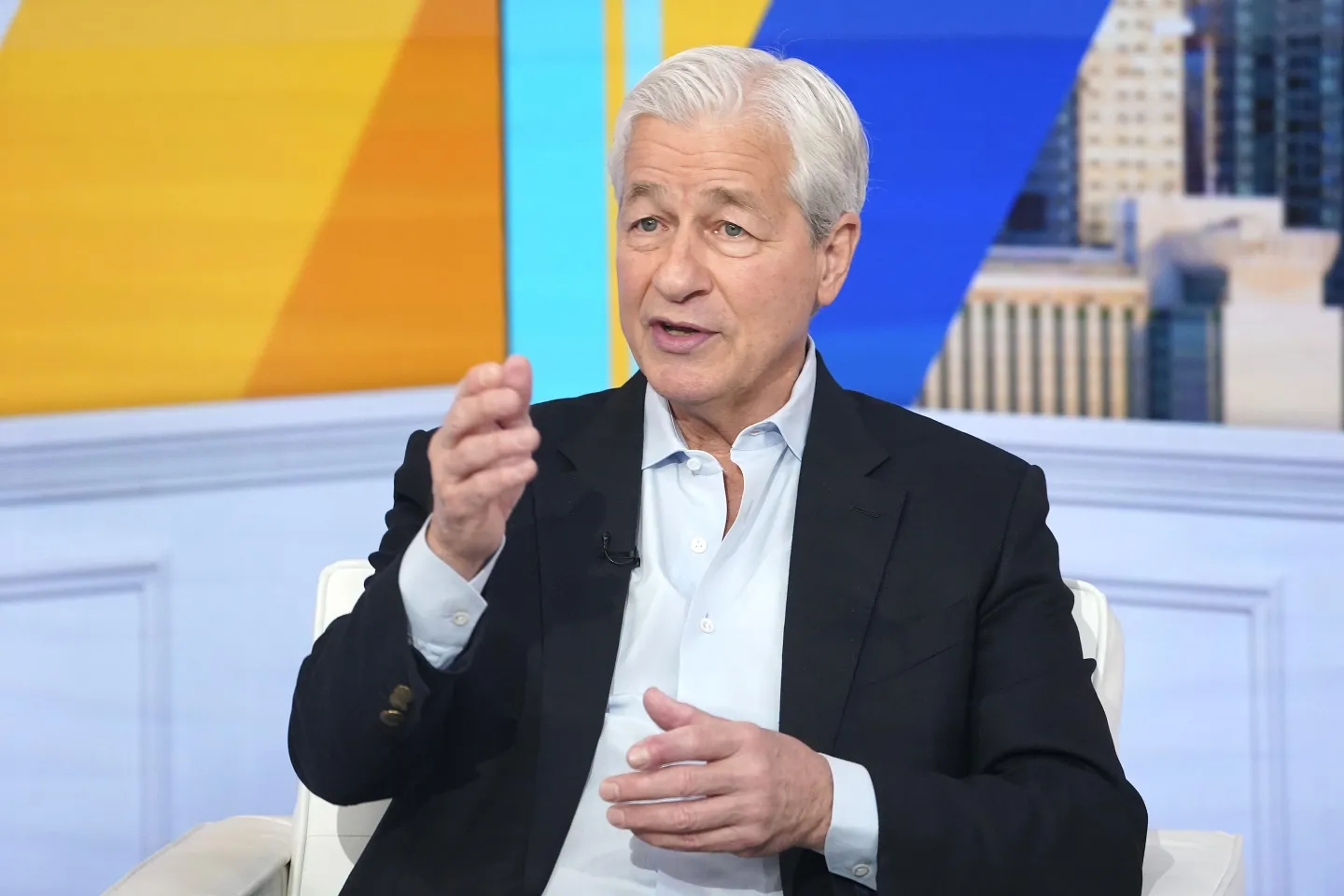
- Outcome: Jamie Dimon warns inflation could rise again if conflict involving Iran disrupts energy markets
- Mechanism: Energy shocks make inflation “sticky,” forcing the Federal Reserve to keep rates higher
- Implication: The real impact is on mortgages, loans, and everyday borrowing costs — for longer than expected
Why This Matters Now
It won’t feel like a war story. It will feel like your mortgage staying expensive.
When Jamie Dimon warns that conflict involving Iran could push inflation higher again, the real message isn’t geopolitical. It’s financial. Interest rates may not fall anytime soon, and borrowing costs across mortgages, loans, and credit could stay elevated.
Most people assume inflation fades as economies cool. In reality, when supply shocks hit an already uneven system, the pressure doesn’t disappear. It lingers.
Why This Isn’t Really About War
At first glance, the story looks simple. Conflict disrupts energy markets, prices rise, central banks respond.
But that misses the real mechanism.
Most people assume inflation is driven by demand. In reality, the harder problem is supply disruption — and that tends to last longer.
Research from JPMorgan Chase shows inflation is no longer moving in a single global direction. Pressures are expected to rise in the U.S. while easing in parts of Europe, creating a fragmented system instead of a unified trend.
What this means in practice is that shocks like energy disruption don’t hit a stable environment. They hit one that is already uneven — making inflation harder to control and slower to fall.
How Energy Shocks Turn Into Higher Rates
The chain reaction is straightforward, but the consequences build over time.
Energy prices rise. Transport costs increase. Production becomes more expensive. Businesses pass those costs through. Inflation spreads into everyday goods and services.
Then the key shift happens. Central banks, particularly the Federal Reserve, are not reacting to the cause of inflation. They are reacting to how long it lasts.
This is where temporary disruption becomes long-term financial pressure.
If inflation proves “sticky,” rates stay higher for longer — even if economic growth slows.
What People Get Wrong About “Resilience”
Describing the economy as “resilient” sounds reassuring. It is — but it changes how policy works.
A resilient economy allows central banks to wait.
If consumers are still spending and businesses remain stable, there is less urgency to cut rates. That means inflation driven by supply shocks is more likely to be absorbed through higher borrowing costs rather than quick relief.
The misunderstanding is this: resilience supports growth, but it delays lower interest rates.
Strength keeps pressure in place.
Where the Real Risk Actually Sits
The visible story is oil prices and geopolitics. The real story is duration.
The impact shows up in slower, more persistent ways:
- Households refinancing at higher mortgage rates
- Businesses dealing with rising input costs
- Consumers facing sustained increases in everyday expenses
- Markets adjusting to a prolonged “higher-for-longer” rate environment
This is where loss actually occurs.
Not in the initial shock, but in the extended period that follows. Once cost pressures move through supply chains, they are difficult to reverse quickly.
Why Rates Stay High — Even When Growth Slows
The key decision isn’t whether inflation rises. It’s whether it persists.
Central banks are designed to avoid easing too early. If they cut rates while inflation risks remain, those pressures can return quickly.
So when inflation is driven by uncertain external shocks — like energy disruption — policymakers tend to hold their position.
That’s why “higher for longer” is not just a warning. It is the default response under uncertainty.
The system prioritises controlling inflation over quickly reducing borrowing costs.
What This Actually Means
This isn’t just a macroeconomic story. It has direct, everyday consequences.
Higher-for-longer rates affect mortgage affordability, business investment, credit availability, and household spending decisions. Over time, that changes behaviour across the economy.
Consumers delay purchases. Companies slow expansion. Markets adjust expectations.
This reveals that the real risk isn’t the shock itself — it’s how long the pressure stays in the system.