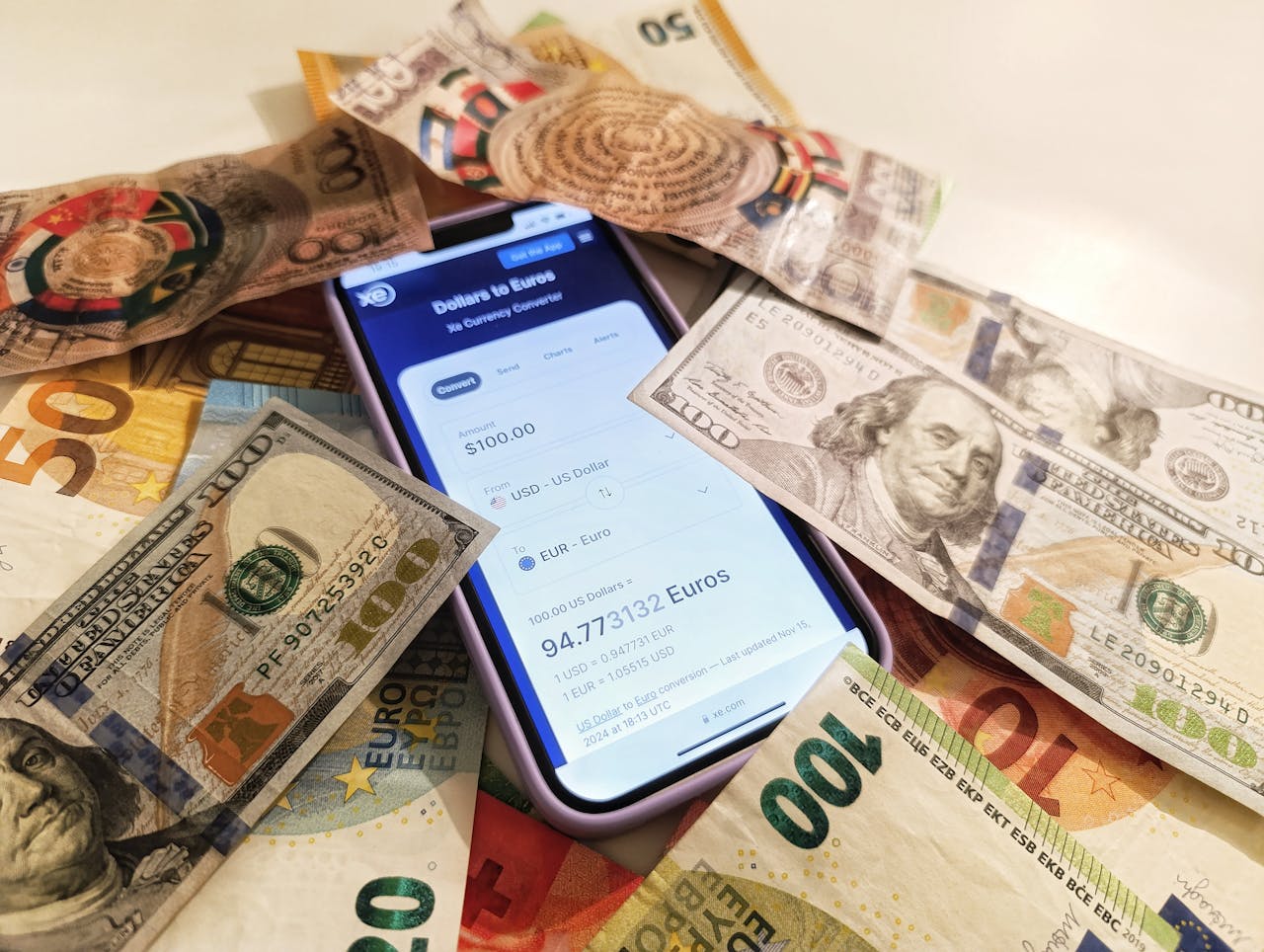
When you see "no fees" on an international money transfer, it isn’t actually this simple.
A lot of providers skip upfront charges and instead mark up the exchange rate by 1% to 6%. That percentage comes right out of your transfer.
The real cost is usually hidden in the gap between the mid-market exchange rate and what you actually get. This markup can cost you more than a clear, honest transfer fee, but you won't see it unless you know where to look.
The payment industry really banks on this confusion. With exchange rate margins, intermediary bank deductions, and receiving fees, a so-called cheap £1,000 transfer might lose £30 to £60 before it lands on the other side.
Knowing how these charges pile up is the only way to avoid getting fleeced.
The fee that isn't a fee
If you look up the exchange rate online, you’ll see something called the ‘mid-market’ rate - this is the rate that banks use when they work with each other.
But when you actually send money, your bank or transfer service offers you a different rate and makes their margin on the difference.
This gap is the exchange rate spread. It's how providers profit while still advertising "zero fees".
It's a lot like the airport currency desk. They might not charge a commission, but you hand over £100 and get back fewer euros than you expected. The fee is just hiding in the numbers.
Here's how it plays out:
- Mid-market rate: 1 GBP = 1.20 USD
- Bank's rate to you: 1 GBP = 1.16 USD
- Your loss: 4 cents per pound
So, on a £1,000 transfer, that 4-cent gap means you lose £40. The bank said "no fees", and technically that's true. But you still paid, just not up front.
This markup is easy to miss unless you crunch the numbers. Most people only see the stated transfer fee and assume that's it. The exchange rate spread can quietly dwarf any upfront charge.
What this actually costs - a worked example
Let's imagine you're sending £10k to somewhere in Europe. For this example, let’s use a mid-market exchange rate of 1.17 EUR per GBP, meaning you should get €11,700.
Here's what three providers actually give you:
| Provider Type | Exchange Rate Offered | EUR Received | Your Loss |
| High-street bank | 1.14 | €11,400 | €300 |
| Mainstream fintech | 1.165 | €11,650 | €50 |
| Specialist provider | 1.169 | €11,690 | €10 |
The high-street bank charges a £25 transfer fee, but most of the profit comes from the exchange rate markup. You lose €300 compared to the mid-market rate - about £256 just gone.
The mainstream fintech might tout "low fees" of £5, but there's still a margin hidden in the rate. The specialist provider charges £15, but their rate is much closer to the real thing.
Who this hits hardest
Not everyone feels the sting equally. Migrant workers sending remittances home take the biggest hit. If you're transferring £200 to support family, a 6% cost means £12 vanishes before it even arrives.
Three groups pay the steepest hidden tax:
- Individuals making property purchases abroad, paying overseas tuition, moving pensions, or helping family
- Freelancers and sole traders getting paid by foreign clients
- Small businesses paying international suppliers or contractors
Send £500 a month to family and that 6% adds up to £360 a year. Digital-only providers averaging 2.7% would cost £162 instead, saving you £198 over twelve months.
It's easy to miss because each payment feels small. There's no "hidden markup" line on your statement. The "no fee" pitch makes you feel like you've scored a deal.
Freelancers fall into a different trap. If a client pays you $5,000, your bank's exchange rate markup might quietly cost you £150. You just see the converted deposit and move on.
Small businesses feel it at scale. A company importing £50,000 in goods each quarter could lose £3,000 a year just from rate markups. That's money better spent on hiring or growth, not disappearing into bank profits.
How to actually check what you're being charged
Start by looking up the mid-market rate. Google, Reuters, or XE.com will show you what banks use when trading with each other.
Then compare that to your provider's quoted rate. The difference is where your money slips away.
Here's a quick formula:
(mid-market rate − provider rate) ÷ mid-market rate × 100
This gives you the real percentage cost. If you're sending £1,000 and the margin is 2%, that's £20 lost to the exchange rate - before any stated fees.
What margins should you expect?
- Under 0.5% is excellent
- 5–1% is pretty reasonable
- 2%+ is typical for high-street banks
- 4%+ means you're definitely overpaying
Always ask for the exact exchange rate, not just the amount the recipient gets. If you only see "they'll get $1,230", you can't really compare providers.
Check if correspondent banks or intermediaries are involved. Transfers often pass through several banks, each taking a slice. Sometimes you only find out after sending the money.
Before you hit confirm, ask for a breakdown: the exchange rate, any flat fees, and whether third-party charges might crop up. Good providers will tell you straight up.
The alternatives worth knowing about
There's a wave of specialist providers now quoting against the mid-market rate with transparent margins. Instead of hiding fees inside confusing rates, they show exactly what you're paying - usually just a small percentage on top of the real exchange rate.
These platforms have grown fast. People appreciate knowing the true cost upfront.
Most offer faster settlements than traditional banks. Many let you hold balances in several currencies, so you don't have to convert right away.
You'll also spot handy tools like rate alerts that ping you when your preferred exchange rate hits. Some even offer forward contracts, letting you lock in a rate for future payments - pretty useful if you want predictable costs for those recurring transfers.
Typical features include:
- Real-time rate comparisons
- Lower percentage markups (often 0.3–0.7%)
- Same-day or next-day delivery
- Mobile apps with live tracking
- Business-grade tools for invoicing and batch payments
Specialist platforms like SwissFx build their services around transparent FX pricing and solid business payment tools. They offer a clear alternative to the bundled, often murky, pricing you get from banks - especially if you're regularly moving money across borders.
The best fit really depends on your situation. If you're making just a one-off transfer, a comparison site will probably help you snag the cheapest rate that day.
For recurring payments - maybe sending monthly support to family or paying regular supplier invoices - a platform with saved recipients and automated transfers can save you a lot of time. Business treasury needs get more demanding, often requiring audit trails, multi-user access, and hedging tools that basic consumer apps just don't offer.