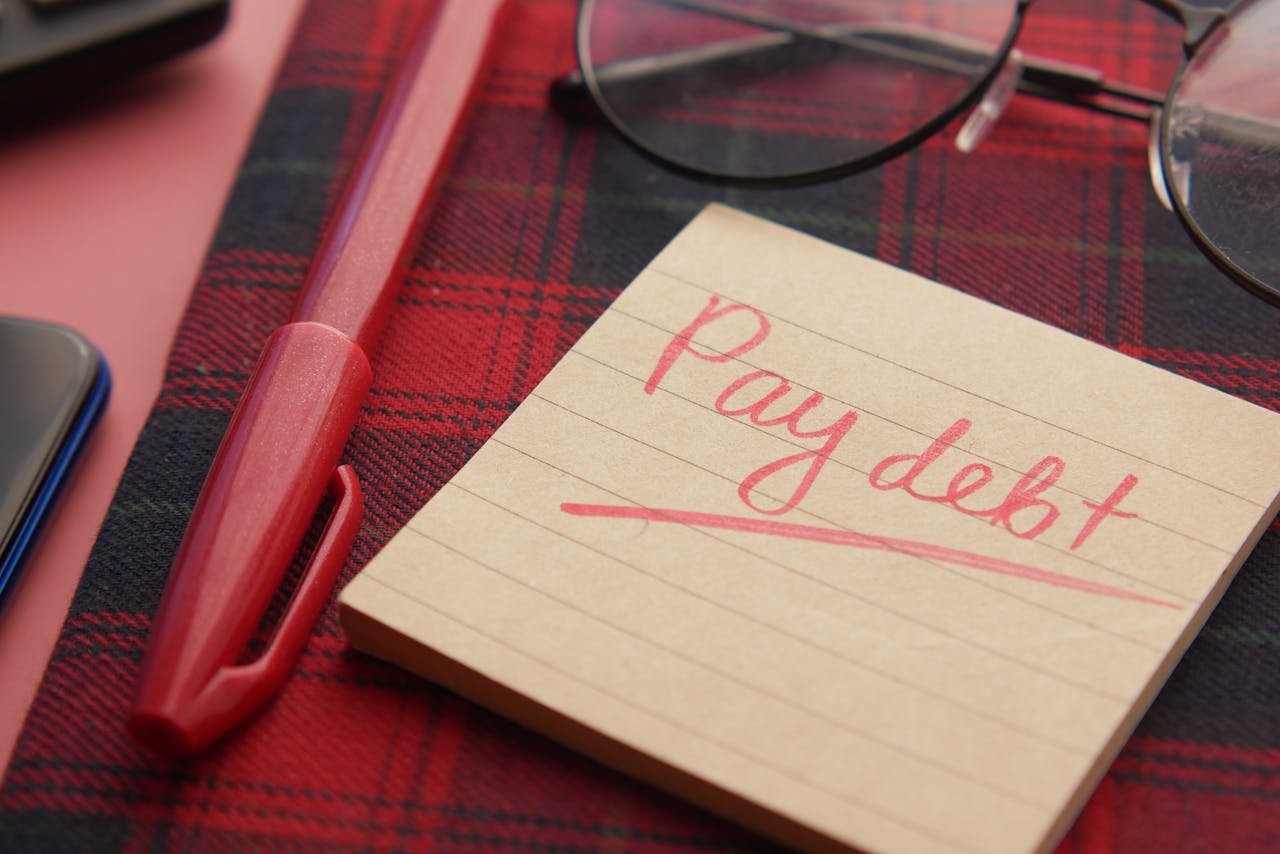
Debt can slowly take control of daily expenses and monthly planning. Bills begin stacking up faster than expected during difficult financial periods. Interest charges continue increasing while balances become harder to reduce. Many people start searching for Debt Settlement or Debt relief after payments stop fitting their monthly budget.
Debt settlement gives borrowers another way to handle growing debt pressure. This process involves negotiating with creditors to reduce the total amount owed. Some people negotiate directly with lenders during financial hardship. Others choose professional companies that specialize in debt settlement options.
Paying less than the full balance sounds appealing during stressful times. A reduced payoff amount may lower financial pressure for many borrowers. Still, debt settlement does not work the same for everyone. Some people find relief through the process after serious struggles. Others face delays, added fees, and long credit recovery periods.
Learning how debt settlement works helps prevent expensive financial mistakes. A clear understanding also makes decision-making easier during difficult situations.
What Is Debt Settlement?
Debt settlement means reaching an agreement for a reduced payoff amount. Creditors accept less money instead of demanding full repayment later. This process mainly works for unsecured debts without collateral attached.
Common debts that may qualify include:
- Credit card balances with high interest charges
- Medical bills that continue to increase after missed payments
- Personal loans without property tied to repayment
- Store credit accounts carrying long-term balances
Many debt relief programs ask borrowers to save money monthly. Funds are collected inside a dedicated account during the negotiation process. Once enough savings are built, settlement discussions begin with creditors.
Creditors may accept lower payments for several reasons.
Examples include:
- Missed payments have already continued for several months
- Collection efforts have not produced successful repayment
- Borrowers show limited ability to repay full balances
- Bankruptcy may appear as another possible outcome
Settlement works through negotiation rather than traditional repayment methods.
When Debt Settlement May Be a Good Choice
Debt settlement may help borrowers dealing with serious financial pressure. Monthly bills may exceed income for long periods of time. Credit card balances may continue increasing despite regular payments.
Some warning signs may suggest that the settlement deserves consideration:
- Minimum payments no longer fit the monthly income
- Collection calls happen several times during each week
- Savings accounts no longer provide financial backup
- Debt balances keep increasing despite payment efforts
- Late fees continue adding pressure every month
People facing multiple high-interest accounts may struggle to catch up. Interest charges can slow repayment progress for many years. Large balances can cause stress when progress feels impossible to measure.
Many debt relief programs focus on reducing pressure through structured repayment support. Lower balances may give room for financial recovery after long periods of hardship.
Risks Linked to Debt Settlement
Debt settlement sounds attractive during difficult financial situations. Risks deserve careful attention before making any final decision.
Credit scores may drop during the settlement process. Missed payments appear on credit reports for several years. Late accounts may affect future loan approval opportunities.
Collection calls may continue while negotiations remain unfinished.
Settlement also requires patience from borrowers. Some debt relief programs last several years before completion. Results rarely happen within a few weeks.
- Tax concerns may also appear after debt forgiveness.
- Forgiven balances may count as taxable income in some situations.
- Fees is another important concern.
Settlement companies may charge for services such as:
- Enrollment and setup costs
- Monthly account maintenance fees
- Settlement percentage charges
- Administrative processing costs
Research helps reduce the chance of choosing poor services. Before joining a company, review:
- Customer experiences from trusted review websites
- Fee structures explained in writing
- Industry certifications or memberships
- Years of company operation
- Clear contract terms before signing
Strong research protects money during difficult financial periods.
Debt Consolidation vs Debt Settlement
Many borrowers compare debt consolidation vs debt settlement before choosing a path.
Debt consolidation combines several balances into one monthly payment. A personal loan may replace multiple debt accounts. This structure gives you one payment instead of several bills.
Debt settlement follows a different approach. Negotiations reduce the total amount owed to creditors. Debt consolidation may work better for borrowers with stable income. Regular payments remain necessary during the repayment period.
Debt settlement may fit people who are already behind on payments. Each option serves different financial situations. Debt consolidation may protect credit scores better during repayment. Settlement can cause more credit damage during missed-payment periods.
Alternatives to Debt Consolidation
Some borrowers cannot qualify for consolidation loans due to credit issues. Interest rates may remain too high for practical repayment. Exploring alternatives to debt consolidation may provide another path forward.
Common choices include:
- Credit counseling through nonprofit agencies
- Debt management strategies built around repayment planning
- Direct negotiation with creditors for reduced interest
- Balance transfer cards with temporary lower rates
- Budget restructuring focused on spending reduction
Credit card debt relief may also help lower payment pressure. Some programs negotiate reduced interest rates with lenders.
Debt management strategies focus on repayment organization and planning. Agencies may combine debts into one structured monthly payment. Budget reviews can also reveal spending habits that are causing pressure.
Helpful budget changes may include:
- Reducing subscription expenses each month
- Tracking spending categories every week
- Limiting unnecessary shopping purchases
- Creating fixed limits for entertainment costs
- Setting repayment goals for each month
Small adjustments may support long-term financial recovery after debt struggles.
Is Debt Settlement the Right Option?
Debt settlement works for some borrowers facing serious hardship. This solution may not fit every financial situation. Income levels affect repayment ability over time. Debt size also influences available options.
Questions worth asking include:
- Can monthly payments continue during the next year?
- Has debt reached a level that feels unmanageable?
- Are collection calls becoming harder to ignore?
- Does bankruptcy already seem like a possibility?
Honest answers will give you a better financial direction. Debt relief should match personal financial conditions and long-term goals. Settlement may lower balances while creating credit challenges later. Careful research will lead to better decisions before choosing any program.
Financial recovery depends on realistic expectations and steady progress. A thoughtful plan may reduce debt pressure and improve stability over time.