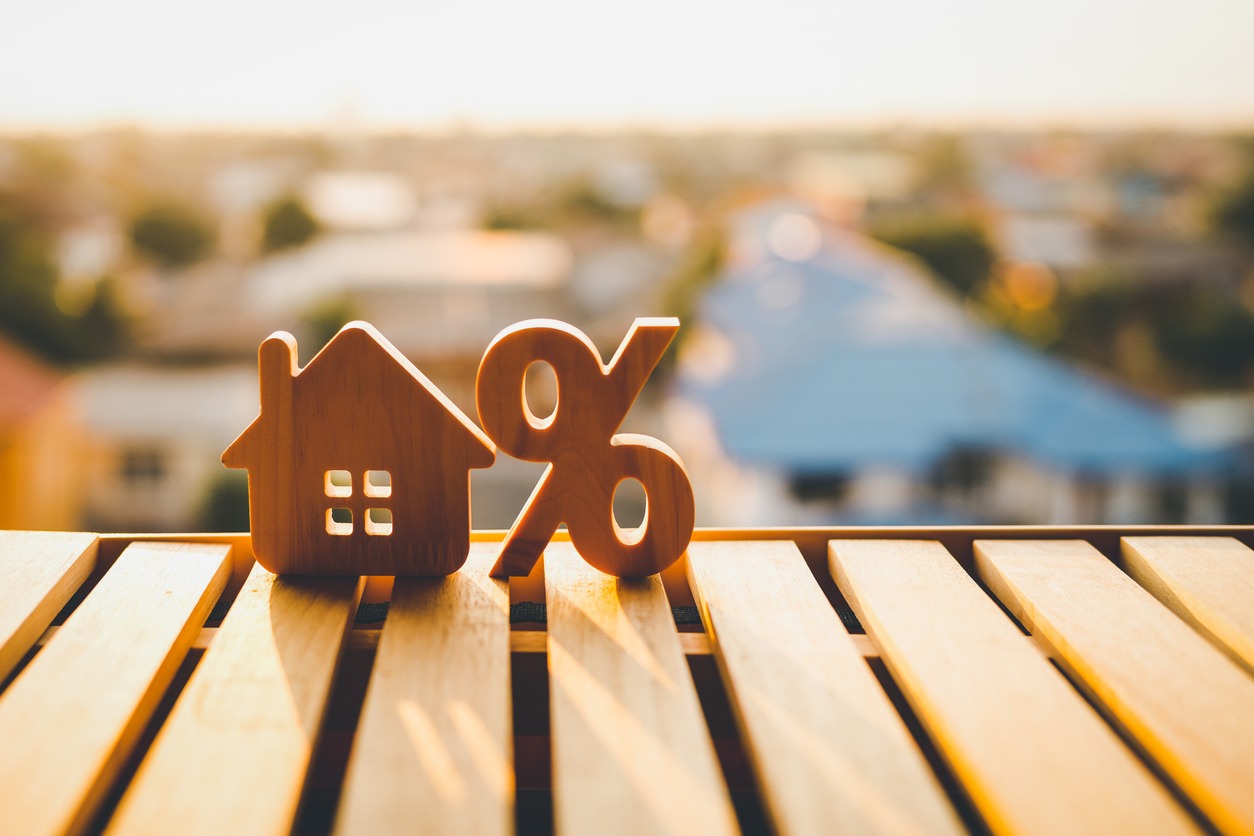
US mortgage rates have risen to 6.30%, ending a three-week decline just as more buyers return for the spring housing season. Freddie Mac said the average 30-year fixed mortgage increased from 6.23% last week, while purchase applications are running more than 20% above last year’s level.
The squeeze for homebuyers is brutally simple. Borrowing is cheaper than it was a year ago, but not cheap enough to make homes feel affordable. A small weekly rate rise can still increase the monthly payment, reduce buying power and force a buyer to lower their budget before an offer is accepted.Freddie Mac’s latest survey also showed the average 15-year fixed mortgage rising to 5.64%, up from 5.58% a week earlier. Both main rates remain below last year’s levels, when the 30-year mortgage averaged 6.76% and the 15-year averaged 5.92%, but the route back to cheaper borrowing is proving uneven.Spring has brought buyers back into a market that still punishes stretched budgets. Freddie Mac chief economist Sam Khater said purchase demand accelerated after rates declined in recent weeks, with prospective buyers responding to slightly lower borrowing costs and more homes to choose from than in the past few years.
More homes for sale should give buyers breathing room after years of tight supply. Stronger demand can quickly take that advantage away. A household that waited for better choice may now find more competition at the same time mortgage rates have started moving higher again.First-time buyers face the hardest calculation because many are entering the market after several years of high prices, limited supply and mortgage rates far above the ultra-low levels of 2020 and 2021. A 6.30% mortgage rate may look better than last year, but the monthly payment can still stretch a household budget.
A buyer borrowing $400,000 over 30 years would pay roughly $2,458 a month in principal and interest at 6.23%. At 6.30%, that rises to about $2,476, adding around $18 a month before property taxes, insurance, repairs, closing costs or moving expenses are included.The weekly increase looks small on paper, but buyers do not shop in theory. They shop against a maximum monthly payment, a down payment, lender rules and the price of the homes available in their area. When the rate moves before a loan is locked, the same house can become tighter or slip out of reach.Mortgage rates are not set directly by the Federal Reserve, but they often move with the 10-year Treasury yield. AP reported that the latest rise followed higher Treasury yields, with lenders reacting to economic uncertainty and geopolitical pressure, including the war with Iran and energy-price concerns.The Federal Reserve left its benchmark rate unchanged this week at 3.5% to 3.75%, keeping borrowers without a clear signal that cheaper loans are coming quickly. Inflation pressure linked to the Iran war has also made the rate outlook less comfortable for households hoping mortgage costs would fall steadily through spring.A pre-approval based on last week’s mortgage rate can lose force if rates move before the buyer has locked the loan. Some households may still qualify, but with less room for repairs, bidding wars, higher insurance bills or a seller who refuses to negotiate.
Sellers are facing a more selective market rather than an easy rebound. More buyers are looking, but affordability remains thin. Homes priced carefully can still attract attention in areas with tight supply, while ambitious listings risk sitting longer if mortgage rates drift higher.
Refinancing remains limited because many homeowners still hold loans far below today’s market rate. A 6.30% average gives little reason for borrowers with 3% or 4% mortgages to refinance or move unless a job change, family need or financial pressure forces the decision. That keeps some existing homes off the market and leaves buyers fighting over the stock that does appear.
The bigger mistake for consumers is treating a lower year-on-year rate as a green light. A mortgage rate below last year’s level does not automatically make a home affordable. Buyers need to test the full monthly cost against income and savings, including taxes, insurance, maintenance and the cash needed after closing.The spring housing market could still gain momentum if rates settle and inventory keeps improving. More listings would give buyers a better chance of negotiating, especially in areas where sellers have become more realistic about price.A fresh jump in Treasury yields would change the mood quickly. If inflation fears, energy costs or geopolitical pressure push borrowing costs higher again, some buyers could be priced back out before summer. Demand is stronger than last year, but the margin for error is still narrow. The current market gives buyers more opportunity than they had during the tightest part of the housing shortage, but little protection from payment shock. Mortgage rates are lower than a year ago, inventory is better, and applications are rising. Monthly payments remain high enough for a small rate move to decide whether a home still fits the budget.
Anyone buying this spring should treat the pre-approval number as temporary until the loan is locked. A 6.30% mortgage rate is manageable for some households, but it is high enough to punish loose budgeting.
More from Finance Monthly: California Gas Prices Hit $6 as Iran War Fuel Shock Deepens