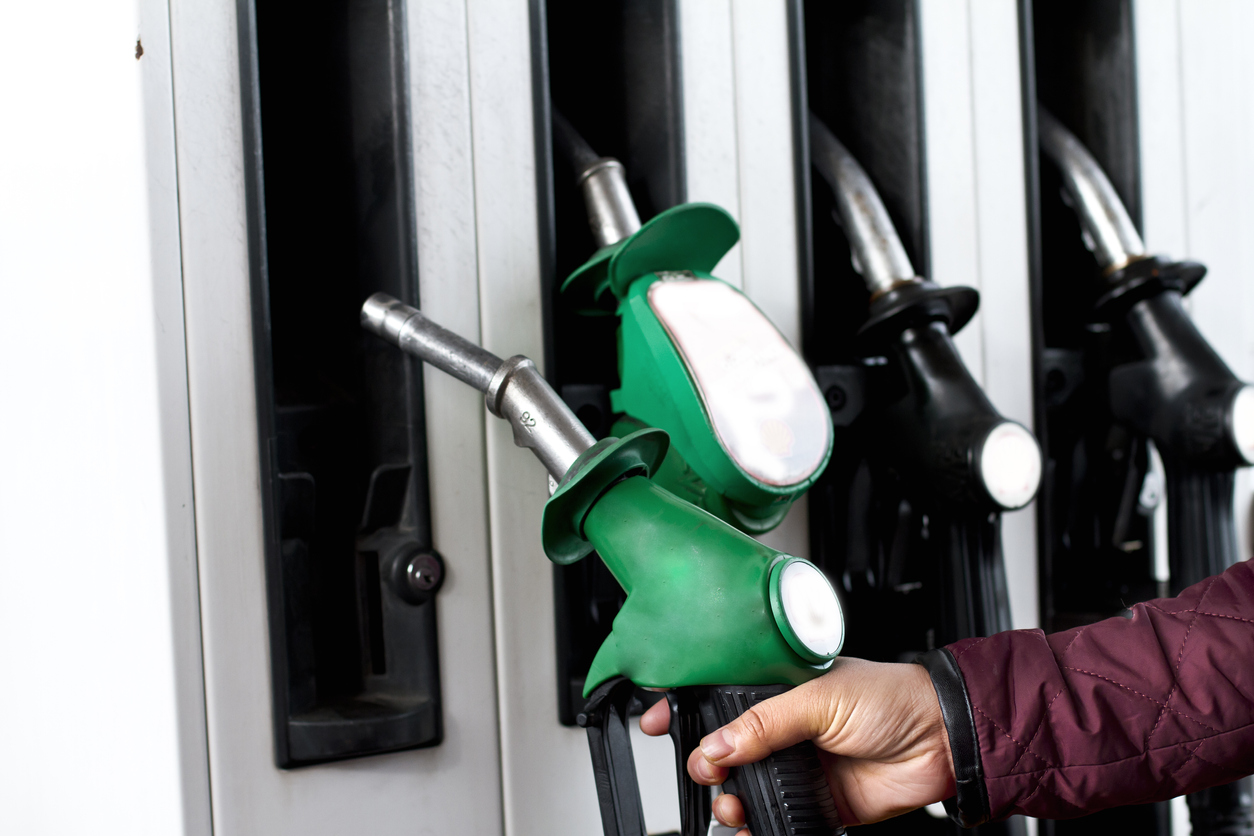
The RAC has warned UK drivers that petrol and diesel prices could rise again after wholesale fuel costs jumped by around 5p a litre. Petrol is already around 157p a litre and diesel around 188p, but the latest wholesale increase has not yet fully reached forecourts, leaving drivers exposed to a delayed pump-price hit.
A 5p-a-litre rise adds about £3.30 to the cost of filling a small to medium-sized car. That may look modest once, but for commuters, carers, van drivers, tradespeople and families doing several fill-ups a month, it quickly becomes another weekly cost rather than a one-off inconvenience. The confusing part for motorists is that oil prices can fall while pump prices still feel stuck. Fuel does not move straight from crude markets to forecourts. It passes through refining, wholesale pricing, currency effects, delivery costs, taxes and retailer pricing before it appears on the sign outside a petrol station.Pump prices had drifted back from April’s highs, when petrol reached about 158p and diesel 191p a litre. The RAC’s warning is that wholesale petrol and diesel costs have now moved back towards their highest levels since the Iran war began, and forecourt prices may still need to catch up.
Treating lower oil prices as a guarantee of cheaper fuel within days is a chimera. Retailers are selling fuel bought at different wholesale costs, local competition varies, and diesel and petrol do not always move together. The Competition and Markets Authority has said recent fuel-price rises have been driven mainly by the higher cost of oil rather than a broad increase in retailer margins. For drivers, that means the pressure is not simply a case of forecourts taking a bigger cut. The bigger problem is that global fuel costs have moved against households.Retail margins have not disappeared as an issue. The CMA said margins have been broadly unchanged since the conflict began, but also found higher margins among a minority of retailers in March and said it would investigate those cases. The watchdog has also warned before that competition in the fuel market is weaker than it should be.For drivers, the CMA’s role is less dramatic but more useful: a permanent gadfly in a market where local price gaps can become expensive. The watchdog says significant local variations mean motorists can save up to £9 on a tank of petrol or diesel by shopping around. That saving counts because the pump price is only one part of the household fuel problem. A family with two cars, a long commute or regular motorway trips can lose far more than £3.30 a month if they routinely fill up at expensive sites. Fuel near £1.60 for petrol and close to £1.90 for diesel makes casual overpaying costly.
Motorway fuel remains one of the easiest (frustrating) ways to overpay. The AA has pointed to large gaps between motorway prices and prices on major A-roads, meaning the same tank can cost materially more depending on where a driver stops. For households trying to control costs, location can matter almost as much as the national average. Diesel deserves particular attention because its effect does not stop with diesel car owners. Vans, delivery firms, tradespeople, taxis, agriculture and haulage depend heavily on it. If those costs rise, businesses either absorb the hit or pass it on through delivery charges, call-out fees, service prices and goods that cost more to move.Households therefore feel fuel inflation in two ways. The first hit comes when they fill the car. The second can arrive later through higher costs for services and products moved by road. That is why a fuel-price warning belongs in the household budget conversation, not only in motoring pages.
The Iran war has made the fuel market harder for consumers to fathom. Any hope of a political breakthrough or safer shipping through the Strait of Hormuz can pull oil prices down, while fresh disruption can push wholesale costs back up quickly. Indeed the US's so-called 'Project- Freedom' has already been paused after only one day. Drivers do not need to trade oil to feel the result; they see it when the pump total changes. Fuel Finder should make the market harder to hide from consumers. The government-backed scheme requires petrol stations to share prices, allowing drivers to compare costs before filling up. It will not cancel the effect of higher oil, but better price visibility should make it harder for expensive forecourts to rely on customers not knowing there is a cheaper option nearby.Drivers can do more than wait for prices to move. Comparing nearby forecourts, avoiding motorway fill-ups where possible, keeping tyres properly inflated, removing unnecessary weight and combining journeys can all reduce the damage. None of these steps is exciting, but at current prices small habits have a real cash value.
Businesses with vans or mobile workers should also treat fuel as a live cost line rather than background disruption. A 5p-a-litre rise may look small, but across multiple vehicles and repeated weekly fill-ups it can quickly become a margin problem. That is especially true for small firms that cannot easily increase prices without losing customers.The RAC warning is really about timing. Drivers may have seen prices ease slightly from April’s peak and assumed the worst had passed. Wholesale costs now suggest the next move at forecourts could be upward again.
The useful move is to act before the next pump-price rise lands. Checking local forecourt prices, avoiding motorway stops and filling up where competition is stronger will not beat the oil market, but it can stop drivers handing over more than they need to.
More from Finance Monthly: Santander TSB Takeover Will End 215-Year Bank Name