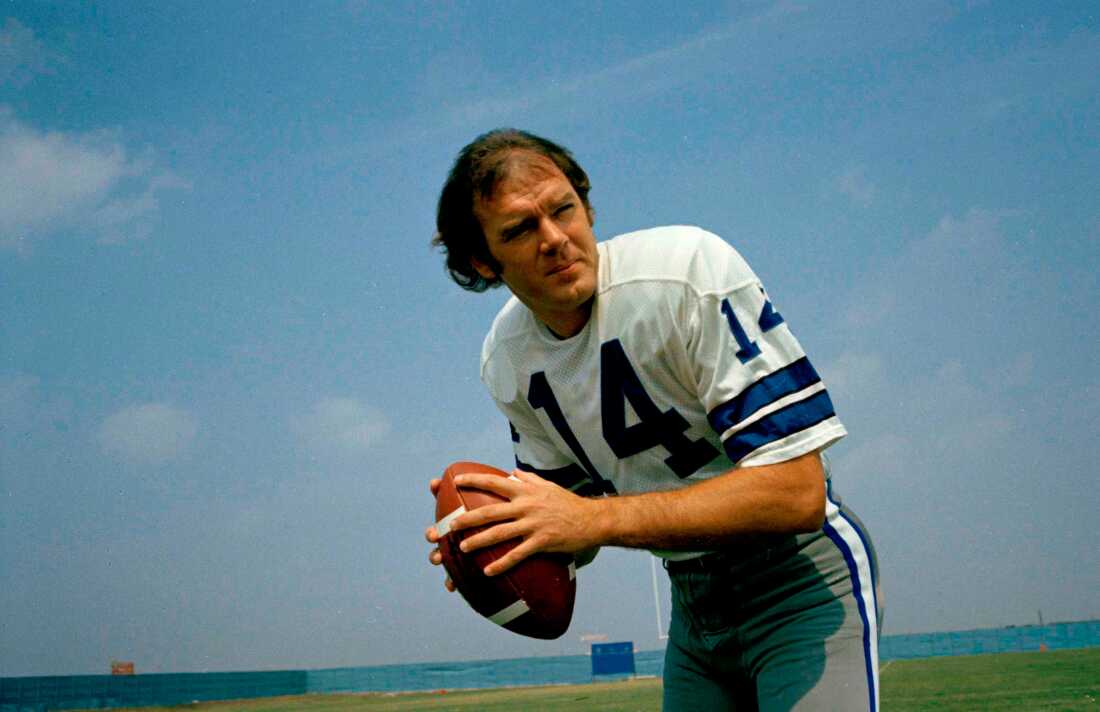
Craig Morton spent part of his NFL career battling more than opposing defenses. At the time of his death aged 83, various estimates placed Craig Morton’s net worth in the low millions — a remarkable financial recovery for a quarterback who once faced bankruptcy problems, IRS tax disputes, failed business ventures, and more than $70,000 in reported debts ahead of Super Bowl XII.
Before leading the Denver Broncos to their first Super Bowl appearance, Morton’s financial difficulties had become national headlines during one of the most important moments of his career.
Yet the dramatic Broncos revival that followed helped rebuild both his reputation and long-term earning power, turning Morton into one of the NFL’s most unusual comeback stories both on and off the field.
The Super Bowl Run That Changed Craig Morton’s Career and Money Story
Morton’s financial troubles became public just as he was preparing for the biggest game of his life.
Ahead of Super Bowl XII in January 1978, reports revealed outstanding bank loans, federal tax liens, and lingering fallout from failed California business ventures involving bookstores and sporting goods stores. Morton had previously declared bankruptcy during his years with the Dallas Cowboys after several investments deteriorated.
The timing intensified the scrutiny around him.
Morton was preparing to face his former Cowboys teammates in the Super Bowl while media coverage increasingly focused on his financial position as much as his football performance. Contemporary reporting even noted concerns inside NFL security circles that gamblers could potentially target financially vulnerable players before major games, although Morton publicly insisted his debts were under control.
At the time, Morton maintained that he was actively paying down the money owed to both lenders and the Internal Revenue Service while restructuring parts of his business interests.
Then came the turnaround.
Denver’s Super Bowl run transformed Morton from a quarterback widely viewed as past his best into the veteran face of a franchise suddenly becoming nationally relevant. That shift carried enormous value during a period when the NFL’s commercial growth was accelerating rapidly through television exposure, sponsorship expansion, and rising fan audiences.
The comeback restored Morton’s standing inside the league and extended his earning opportunities well beyond his playing career.
The Rival Football League Deal That Increased Craig Morton’s Market Value
Long before modern NFL free agency reshaped player salaries, Morton became part of one of football’s earliest quarterback bidding wars.
During the mid-1970s, the rival World Football League aggressively pursued established NFL stars with larger contracts and signing bonuses designed to challenge the NFL’s control over player movement and salaries.
Morton became one of the highest-profile quarterbacks involved in that financial battle.
Reports from the time showed Morton secured a deal connected to the WFL that included a signing bonus believed to be worth around $100,000 — a major figure during that era of professional football. The arrangement later became complicated as WFL franchises collapsed and questions emerged over whether certain contracts remained legally enforceable.
At the same time, the New York Giants moved aggressively to secure Morton on a reported three-year deal worth roughly $125,000 annually after trading for him from Dallas.
The episode highlighted how valuable experienced quarterbacks were becoming as football revenues began climbing sharply during the 1970s.
For Morton personally, the competing offers temporarily raised his market value even as his career entered one of its most unstable periods.
How Craig Morton Actually Made His Money
Morton’s finances were shaped not only by NFL contracts, but by the changing economics of professional football during the 1970s, when rival leagues and rising television revenues started driving quarterback salaries higher.
Across 18 NFL seasons, Morton earned money through:
- player contracts
- postseason bonuses
- endorsements
- public appearances
- business ventures
- investments tied to nightlife, restaurants, and retail
Some of those ventures succeeded.
Others became part of the financial problems that nearly overwhelmed him during the later stages of his career.
A Dallas restaurant reportedly struggled financially, while earlier California retail investments contributed to his bankruptcy difficulties. Morton later acknowledged selling or restructuring assets in order to manage debts and stabilise his finances.
The important shift came after Denver.
The Broncos revival kept Morton commercially relevant long after retirement and strengthened his long-term value through NFL alumni appearances, legacy recognition, and continued association with one of the defining periods in franchise history.
Why Craig Morton’s Wealth Looked Small Compared to Modern NFL Quarterbacks
One reason searches for “Craig Morton net worth” surged following his death is because modern fans often compare former quarterbacks with today’s ultra-rich NFL stars.
The difference between eras is enormous.
Morton belonged to the generation before quarterbacks became corporate-scale assets tied to billion-dollar media ecosystems.
During the 1970s, NFL television rights, sponsorship structures, free agency rules, and endorsement markets were still developing. Even successful quarterbacks rarely accumulated the kind of wealth modern players now generate through salaries, equity stakes, media ventures, and branding deals.
That is why comparisons with figures like Tom Brady or Patrick Mahomes can distort how financially successful Morton actually was within his own era.
Players like Morton helped build the commercial foundations that later transformed elite quarterbacks into some of the highest-paid athletes in global sport.
How Craig Morton Compared to Roger Staubach Financially
Morton never reached the post-football business wealth eventually achieved by Roger Staubach, whose commercial real estate empire turned him into one of the richest former NFL players ever.
But Morton’s story represents a very different type of NFL financial journey.
His career became defined by recovery.
He survived failed investments, bankruptcy problems, tax disputes, career instability, and declining momentum before rebuilding both his public image and financial stability through Denver.
For many athletes during that period, financial collapse permanently damaged both reputation and opportunity. Morton managed to reverse both.
What Craig Morton’s Financial Story Says About the NFL’s Earlier Era
Morton’s death has revived attention not only on his football achievements, but on a generation of players who operated during a financially volatile period in professional sports.
Unlike modern quarterbacks protected by enormous guaranteed contracts and sophisticated wealth management structures, players during Morton’s era often relied heavily on outside investments to build long-term security after retirement.
That created major opportunities, but also serious financial risks.
The bigger story behind Craig Morton’s net worth is not simply how much money he had when he died.
It is how close both his career and finances once came to collapsing before a remarkable late-career revival with Denver changed the direction of both.