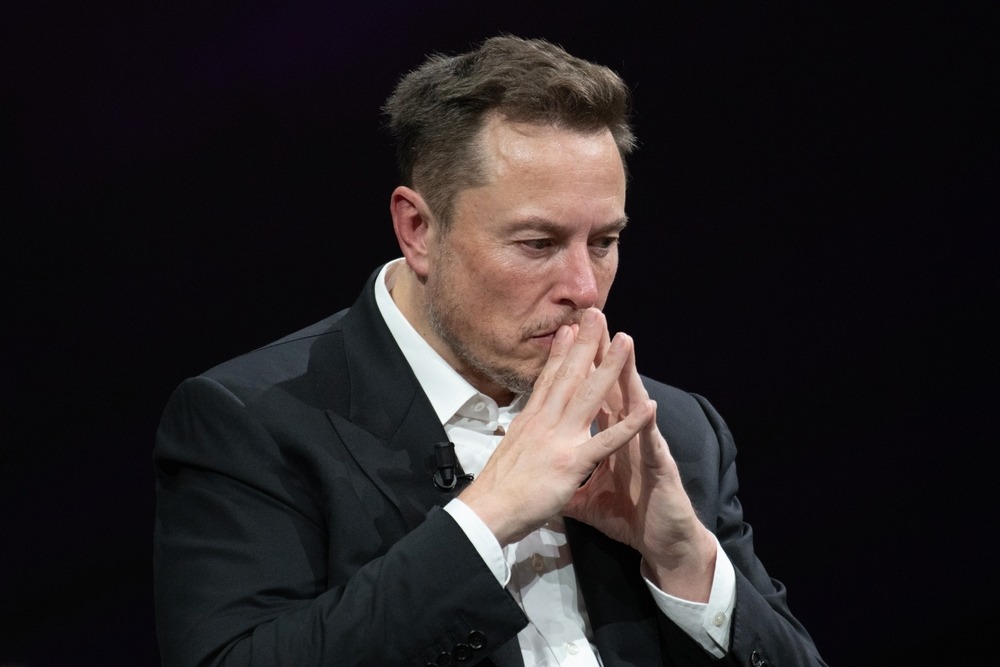
Following his courtroom loss on Monday, Elon Musk said he plans to appeal after a federal jury concluded he waited too long to sue OpenAI, extending one of Silicon Valley’s most closely watched legal battles over artificial intelligence.
Legal experts say the appeal process alone could cost Musk more than $20 million as the fight between OpenAI’s co-founders continues escalating in public.
The case has unfolded during a massive AI spending boom, with investors pouring billions into chips, data centers and competing AI platforms as companies race to profit from the rapid growth of generative artificial intelligence.
The federal court in Oakland dismissed Musk’s claims against OpenAI, CEO Sam Altman and president Greg Brockman after jurors found Musk missed the legal deadline required to bring the case.
Musk had accused OpenAI’s leadership of transforming the company from its original nonprofit mission into a commercial AI giant focused on rapid financial growth.
The jury served in an advisory role, but Judge Yvonne Gonzalez Rogers accepted the verdict as the court’s decision after less than two hours of deliberations following a three-week trial.
Musk responded on X by arguing the court never addressed the substance of his allegations.
“There is no question to anyone following the case in detail that Altman & Brockman did in fact enrich themselves by stealing a charity,” Musk wrote. “The only question is WHEN they did it!”
The case showed how far the former allies had drifted apart and gave jurors an inside view of OpenAI’s early years before the company became one of the most valuable businesses in the AI industry.
OpenAI argued throughout the trial that there was never a binding agreement requiring the organization to remain nonprofit permanently. Lawyers for the company also claimed Musk’s lawsuit was driven less by charitable concerns and more by competition from his AI company, xAI.
Outside court, OpenAI lawyers argued the verdict confirmed what they had claimed for months: Musk’s lawsuit was really about competition, not charity.
The courtroom fight also reflected the staggering sums now tied to artificial intelligence. OpenAI’s valuation has surged as companies race to build the next wave of AI technology following the success of ChatGPT.
Microsoft, a major OpenAI investor and co-defendant in the lawsuit, welcomed the decision and said it remained committed to expanding its partnership with OpenAI.
Musk had sought damages tied to OpenAI’s charitable arm and pushed for Altman’s removal from OpenAI’s board. His legal team argued OpenAI’s leadership personally profited as the company shifted further toward commercialization.
One of the trial’s most striking moments came when Musk told jurors: “It’s not OK to steal a charity.”
The proceedings also reopened questions surrounding Altman’s brief removal as OpenAI CEO in 2023 before he returned to the role days later. Former board members testified they had concerns about Altman’s transparency during internal discussions over the company’s direction.
Near the end of his testimony, Altman described the collapse of his relationship with Musk as personally painful.
“I felt like he had abandoned us, not come through on his promises, put the company in a very difficult place, jeopardized the mission,” Altman testified. “It’s been an extremely painful thing for me.”
Musk has already pledged to appeal, keeping one of Silicon Valley’s biggest feuds alive.