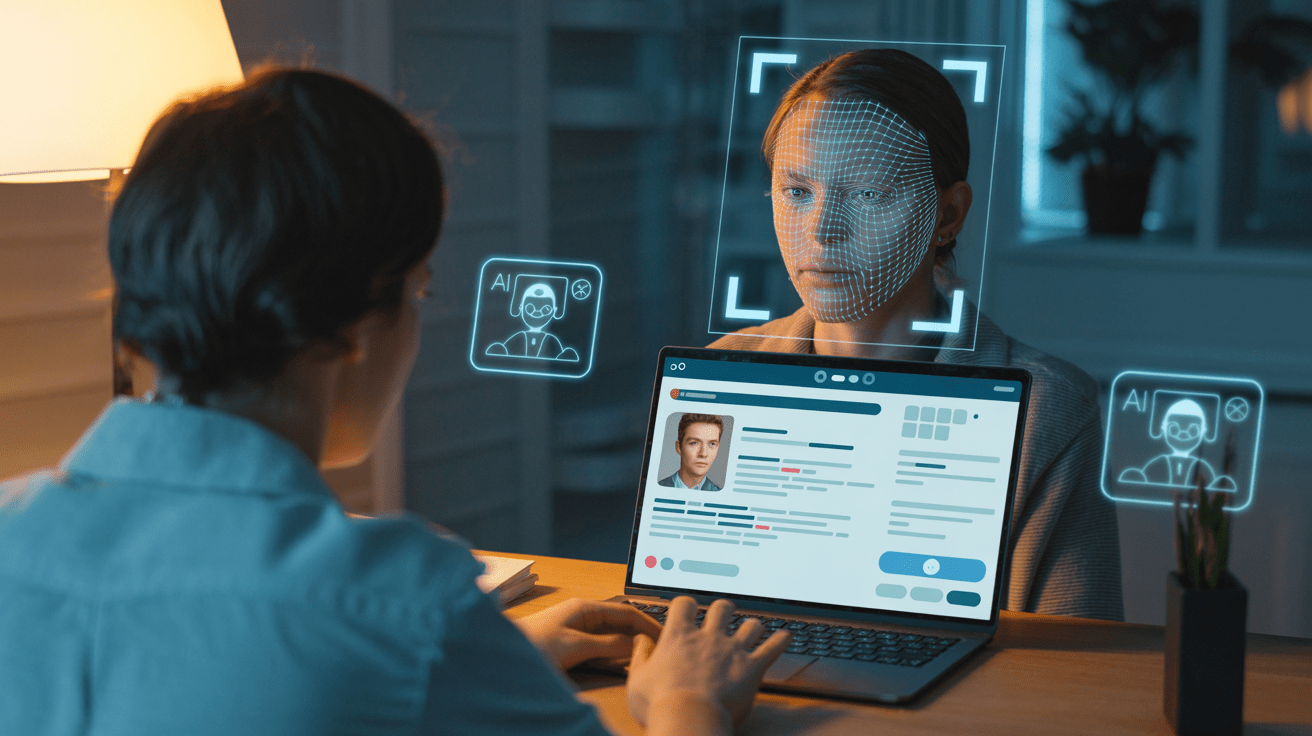
Millions of job applicants could soon gain new rights to know when artificial intelligence is being used to screen, rank or reject them after Illinois formally moved forward with new AI hiring regulations this week.
The Illinois Department of Human Rights published proposed rules tied to Public Act 103-0804, a law focused on artificial intelligence and automated decision-making systems in employment. The move launches a 45-day public comment process and outlines how employers may eventually need to notify workers and applicants when AI tools are involved in hiring or workplace decisions.
For many workers, the issue is no longer abstract. Many employers already use AI systems to filter resumes, rank candidates and automate early hiring decisions before a recruiter may ever review an application.
Employers are adopting these systems during one of the most aggressive corporate efficiency drives in years. After waves of layoffs and slower growth across multiple industries, companies have faced pressure to reduce recruitment costs, speed up hiring decisions and manage larger applicant pools with fewer HR staff. Automated hiring software promises faster filtering and lower labor costs at scale, which is why businesses have continued pouring money into AI recruitment technology despite growing legal scrutiny.
Illinois is now trying to pull some of that process into public view.
The proposed rules also update procedures connected to employment discrimination complaints, reflecting growing concern that automated hiring systems could unintentionally filter out candidates based on protected characteristics including race, age, disability or gender.
That matters because job hunting has become more automated at the exact moment many Americans already feel trapped in a weaker and more unstable labor market.
A rejected application used to feel personal. Now many applicants suspect software may be making decisions about their future before a human conversation even begins.
Why Businesses Are Moving Faster on AI Hiring
For employers facing pressure to cut costs and improve productivity, the financial incentives are straightforward.
Large companies can receive thousands of applications for a single role. AI systems allow businesses to screen applicants faster, reduce recruiting workloads and process hiring decisions at a scale that human teams often cannot manage alone.
Public companies also remain under pressure to improve margins and reduce administrative costs wherever possible. Hiring departments have become one of the fastest-moving areas of workplace automation.
Supporters argue AI tools can help companies process applications more efficiently during labor shortages or high-volume hiring periods. Critics argue the systems can quietly scale discrimination while making hiring decisions harder to challenge or even understand.
Illinois is not trying to stop companies from using AI. The state is trying to make the process less invisible to workers.
Under the proposed rules, employers would be required to provide notice when AI is used in employment-related decisions. The rules also outline when notices must be delivered and the conditions under which the requirements apply.
The public comment period runs through June 29, with a public hearing scheduled in Chicago on June 10.
Why the AI Hiring Debate Feels So Personal
The tension around AI hiring systems goes beyond technology because it touches something deeply personal: economic identity.
People are not just worried about losing jobs to automation. Many worry they may never even get a fair chance to compete for one.
That anxiety is spreading during a period of white-collar layoffs, hiring freezes and slower wage growth that has already left many workers feeling financially exposed. For younger workers and middle-class professionals especially, the idea of invisible algorithms quietly shaping career outcomes adds another layer of instability to an already difficult labor market.
There is also a growing transparency problem.
Applicants often do not know whether they are being evaluated by a recruiter, software or some combination of both. Even when companies use AI responsibly, the lack of visibility can make rejection feel arbitrary and impossible to question.
Why Investors and Regulators Are Paying Attention
The financial implications extend well beyond HR departments.
AI hiring software has become a rapidly growing business sector as corporations race to automate administrative functions and reduce labor costs. At the same time, regulators across the United States and Europe are beginning to examine whether automated systems create legal exposure around discrimination and workplace rights.
That creates a difficult balancing act for companies.
Businesses want the efficiency and cost savings AI can deliver, but they also face rising compliance risks if algorithms are viewed as biased, opaque or unfair. Laws like Illinois’ could eventually force employers to rethink how aggressively they automate hiring and workforce management.
For many workers, the fear is no longer just losing jobs to AI. It is losing the ability to understand how decisions about their future are being made.