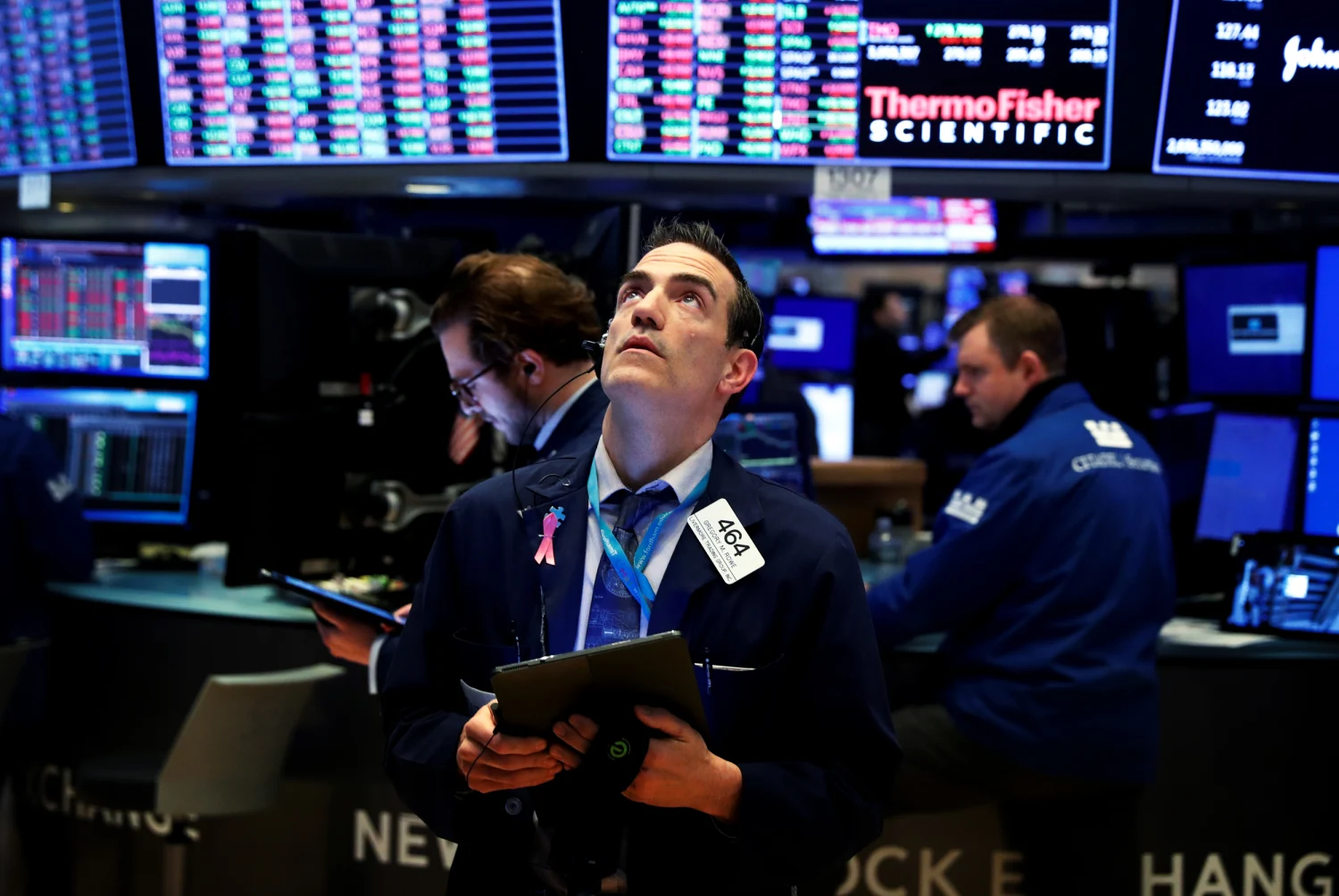
Wall Street’s rally is starting to collide with a far more uncomfortable reality. Rising bond yields, stubborn inflation fears and renewed oil market tension are forcing investors to rethink how much risk they still want to carry after months of aggressive buying. What looked like another unstoppable climb for stocks suddenly feels less certain.
One of the market’s clearest warning signals is now flashing again: the gap between expected stock returns and safer Treasury yields has almost disappeared. Investors are being paid nearly the same to sit in government bonds as they are to take risks in equities, something that historically has left markets vulnerable once optimism starts fading.
Bond markets are driving the shift. Inflation fears tied to the Iran conflict and disruption risks around the Strait of Hormuz have pushed oil prices sharply higher this year, while traders are rapidly backing away from earlier expectations that the Federal Reserve would soon cut interest rates.
The yield on the 10-year Treasury note has jumped to 4.57% from 3.96% before tensions involving Iran escalated earlier this year. That move spreads quickly beyond Wall Street because higher yields make borrowing more expensive almost everywhere — mortgages, business loans, refinancing, corporate debt and consumer credit all become harder to manage.
This is where the squeeze stops looking like a market story.
Companies usually slow hiring first. Expansion plans quietly get delayed. Businesses become more defensive about spending as financing costs rise. Consumers already stretched by high living costs start hesitating over larger purchases, while retirement savings become more exposed if investors begin pulling back from stocks.
Wall Street keeps buying anyway. Artificial intelligence shares and speculative tech stocks have fueled another powerful rally even as bond traders signal growing concern about inflation and tighter financial conditions behind the recent gains. Bond markets and stock investors are no longer telling the same story.
Mercer Advisors chief investment officer Don Calcagni told The Wall Street Journal that valuations are becoming increasingly difficult to justify if borrowing costs remain elevated and earnings growth begins slowing.
Investors spent months betting rate cuts would help keep the rally alive. Bond markets are starting to price in the opposite.
That shift changes behavior fast. Investors move money toward safer assets. Businesses protect margins more aggressively. Hiring decisions take longer. Households quietly cut spending before weakness fully appears in economic data.
The change rarely arrives all at once. Confidence usually erodes slowly, then suddenly.
Oil prices are now acting almost like a real-time stress signal for markets because traders know prolonged energy inflation could force central banks to keep rates elevated much longer than investors expected. If borrowing costs stay high while growth momentum weakens, the assumptions supporting today’s stock rally start looking far more fragile.
Stocks are still climbing for now. But underneath the rally, the mood is becoming noticeably more defensive, and bond markets are increasingly signaling that the easy optimism carrying Wall Street higher is starting to crack.