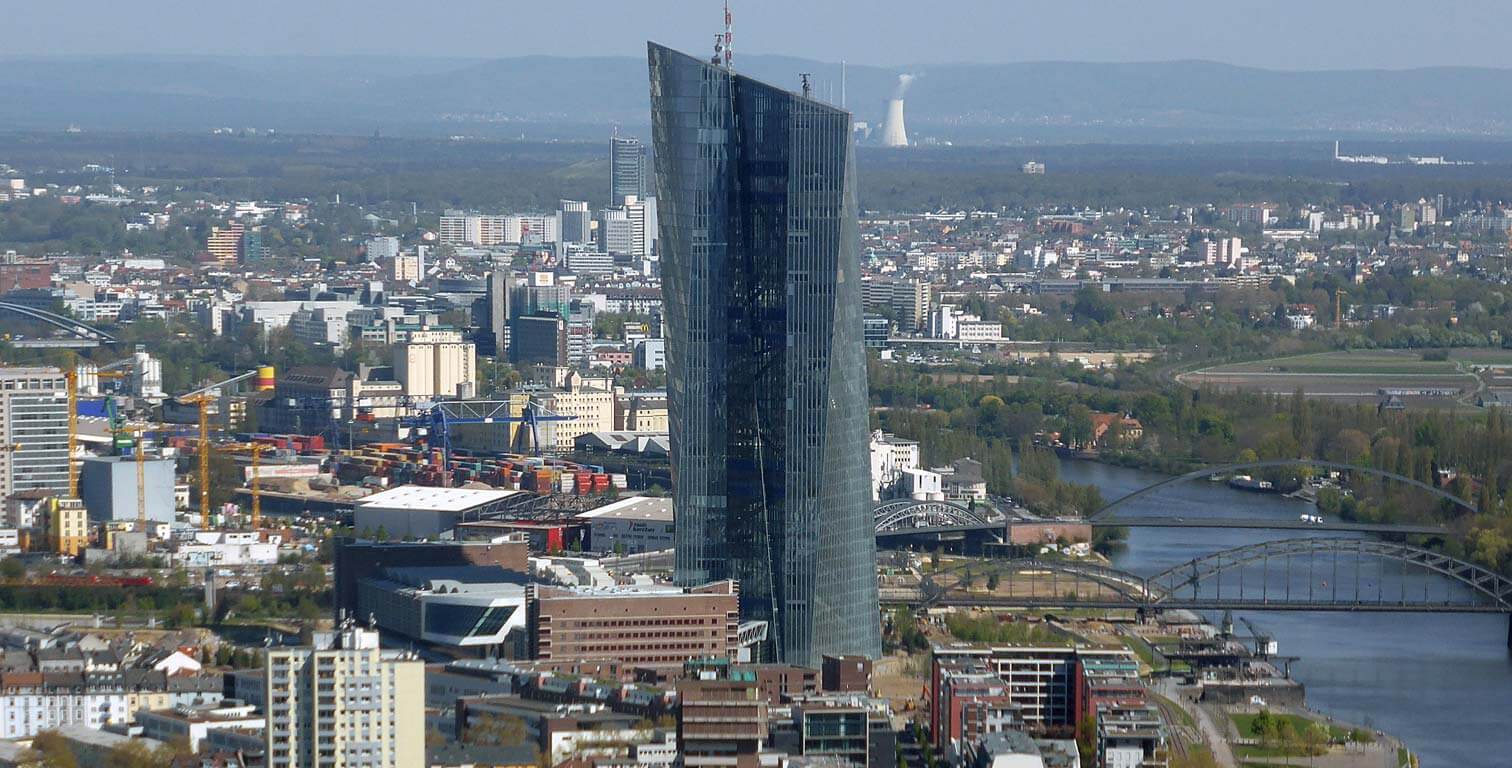
The European Central Bank is openly warning that interest rates may rise again in June even if peace talks with Iran succeed, signalling that millions of borrowers across Europe could face another stretch of expensive mortgages, costly loans and tighter household finances just as many were hoping the pressure might finally ease.
European Central Bank board member Isabel Schnabel said inflation linked to energy costs is now spreading more deeply across the economy, making it harder for policymakers to hold rates steady. The comments reinforced fears that the period of expensive borrowing is far from over.
For households still absorbing years of rising living costs, the warning lands at a difficult time. Grocery prices remain elevated across much of Europe, rents are high in major cities and many mortgage holders are still adjusting to sharply higher monthly repayments after the ECB’s aggressive tightening cycle.
Schnabel told Reuters that too much economic damage has already been done by the Iran conflict for the ECB to simply wait and hope energy prices settle down again. Even if tensions eased quickly, she argued the inflation shock has likely spread too far into the wider economy.
Inflation across the euro zone reached 3% last month, remaining well above the ECB’s 2% target, while markets are now pricing in at least two more rate hikes over the next year. Some traders even believe a third increase is becoming possible if energy-driven inflation continues feeding into everyday prices.
Another ECB hike would quickly feed into mortgages, loans and borrowing costs across Europe. Families trying to recover financially after years of inflation may find there is even less flexibility left in monthly budgets as debt repayments stay high and borrowing becomes harder to manage.
The strain is becoming visible in ordinary spending behaviour. Across parts of Europe, consumers are delaying larger purchases, avoiding new borrowing and pulling back spending as higher housing, food and energy costs continue eating into disposable income. Some businesses facing weaker demand and more expensive financing are also becoming more cautious about hiring and expansion plans.
Schnabel acknowledged that economic growth now looks weaker than previously expected, with confidence indicators deteriorating as consumers and investors become more uneasy about where inflation and interest rates could head next.
The ECB now risks tightening financial strain even further while trying to stop inflation becoming permanently embedded across the economy. That balancing act is becoming increasingly difficult as policymakers try to contain rising prices without pushing already stretched households deeper into financial exhaustion.
The comments also sent another signal that hopes for a rapid return to cheap borrowing are fading. Many homeowners and businesses had expected interest rates to gradually ease over the next year as inflation cooled, but persistent energy costs and geopolitical instability are now changing those expectations again.
For many households across Europe, another ECB rate hike would not feel like distant central bank policy or abstract economics. It would feel like everyday life becoming more expensive to hold together once again, with less room left each month after the bills are paid.