As Australian households battle stubbornly high bills, expensive mortgages and growing financial exhaustion, a widening revolt inside the Labor government is erupting over why some of the country’s richest mining companies are still receiving enormous diesel tax breaks funded by taxpayers.
The backlash intensified after revelations that BHP delayed major emissions-cutting projects while continuing to benefit from hundreds of millions of dollars in fuel tax credits, despite Australia’s push toward cleaner energy and industrial decarbonisation.
For voters already stretched by rent, groceries and energy bills, the numbers land badly.
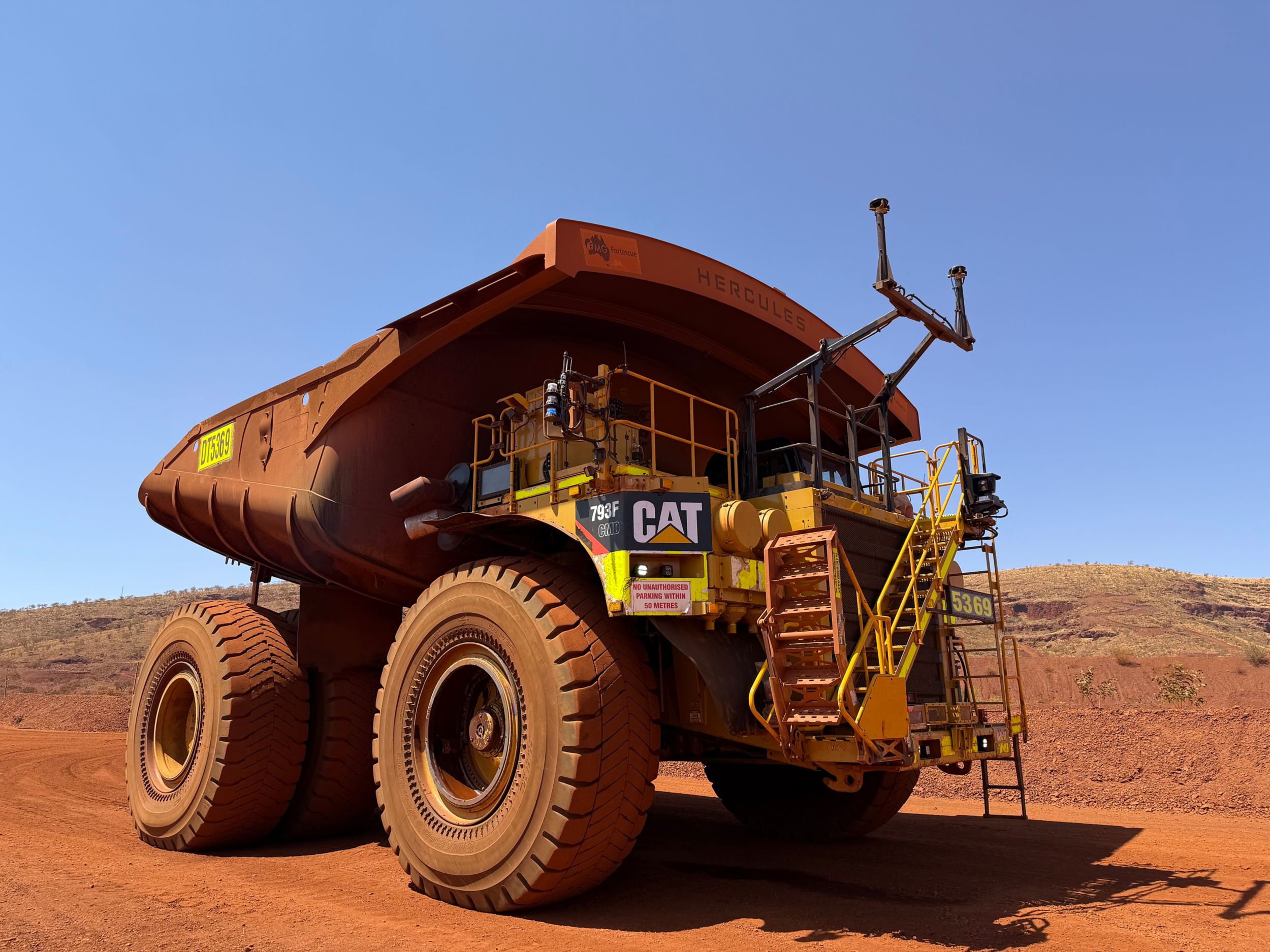
Analysis cited by the Guardian suggested BHP paid less than $9 million last financial year under Australia’s safeguard mechanism for excess emissions while receiving an estimated $622 million in diesel fuel tax credits from the federal government. Roughly $379 million of that support was reportedly tied to its Western Australia iron ore operations, where diesel-powered trucks and rail fleets still dominate production.
That is where the politics suddenly become far more difficult for Labor.
What once looked like a technical mining rebate is now feeding a broader argument about fairness, taxpayer money and who is really paying for Australia’s climate transition. For many households already cutting spending, the idea that profitable mining giants continue receiving massive fuel support feels increasingly out of step with the financial reality facing ordinary voters.
Jerome Laxale publicly backed reforms to the diesel rebate scheme, saying it was “reasonable to expect more” from the resources sector. His intervention exposes growing frustration inside Labor ahead of the party’s national conference in July.
Many Australians already feel large corporations operate under a different set of financial rules. Against that backdrop, huge fossil-fuel rebates are becoming harder to defend politically, especially while families absorb rising living costs and businesses complain about operating expenses climbing across the economy.
More than 270 local Labor branches have now backed proposals from the Labor Environment Action Network to cap diesel fuel tax credits at $50 million per company. Supporters argue the savings could instead help fund industrial electrification and cleaner infrastructure.
The timing is awkward for the government. Ministers are trying to keep climate commitments alive without inflaming cost-of-living anger or damaging business confidence at a fragile economic moment. But as household budgets tighten and growth slows, large corporate subsidies linked to fossil fuels are increasingly turning into a political target.
Australia depends heavily on mining revenue. Governments know it. Investors know it too. That dependence is exactly why politicians remain cautious about squeezing the sector too aggressively, even as emissions targets become harder to hit.
And the uncertainty is beginning to ripple more widely through the economy.
Some companies are already slowing investment plans while they wait to see how energy costs, climate rules and industrial subsidies shift over the next few years. Businesses dislike uncertainty almost as much as voters do.
Independent MP Kate Chaney said the diesel rebate should remain available for farmers and smaller operators but be restricted for giant resource companies like BHP.
“Large resource companies like BHP produce a huge chunk of Australia’s emissions,” she said. “Without strong decarbonisation from these companies, Australia will not be able to meet its emissions targets and international commitments.”
Climate and Energy Minister Chris Bowen downplayed the prospect of immediate reform, noting the government recently delivered its federal budget without changing the scheme.
Resources Minister Madeleine King defended the existing framework and said mining companies remained subject to the safeguard mechanism.
Meanwhile, divisions are opening inside the mining industry itself. Mining billionaire Andrew Forrest and his company Fortescue support changes to the rebate structure, while other parts of the resources sector continue lobbying heavily to keep the concessions untouched.
BHP insists it is still progressing toward its climate targets. The company says operational emissions are down 36% from 2020 levels and points to increased renewable energy use across its business. It argues slower electrification progress reflects the limited availability of battery-electric mining trucks rather than any retreat from decarbonisation goals.
But for many Australians, that distinction is starting to matter less politically.
Households are still dealing with rising insurance costs, expensive food, higher borrowing costs and persistent financial strain. Against that backdrop, massive diesel rebates for some of the country’s largest corporations risk feeding a deeper sense that the economic sacrifices tied to climate policy are not being shared evenly.
As living costs remain high and governments keep searching for revenue, fossil-fuel tax concessions are starting to feel less like obscure industry policy and more like another flashpoint in the growing fight over who absorbs the financial burden of Australia’s economic future.