Gas prices are climbing again, grocery bills are creeping higher, and Republicans are entering the 2026 midterms facing the same affordability fears many voters thought had finally begun easing after years of inflation fatigue.
Inflation rose to 3.8% in April, its highest level since 2023, as energy markets tightened during the escalating Iran conflict and higher fuel costs started feeding back into everyday spending. What began as a geopolitical crisis is now showing up in supermarket aisles, household budgets, and growing anxiety inside the Republican Party about whether Americans are starting to lose confidence in the economy again.
The political problem for Republicans is not simply that prices are rising. It is that many households never fully recovered from the first inflation wave in the first place.
Housing remained expensive. Credit card balances climbed. Borrowing costs stayed painfully high. Families adapted by scaling back spending, delaying larger purchases, and becoming far more cautious with monthly budgets long before fuel prices surged again this spring. Now some of the most visible costs in daily life are moving upward again.
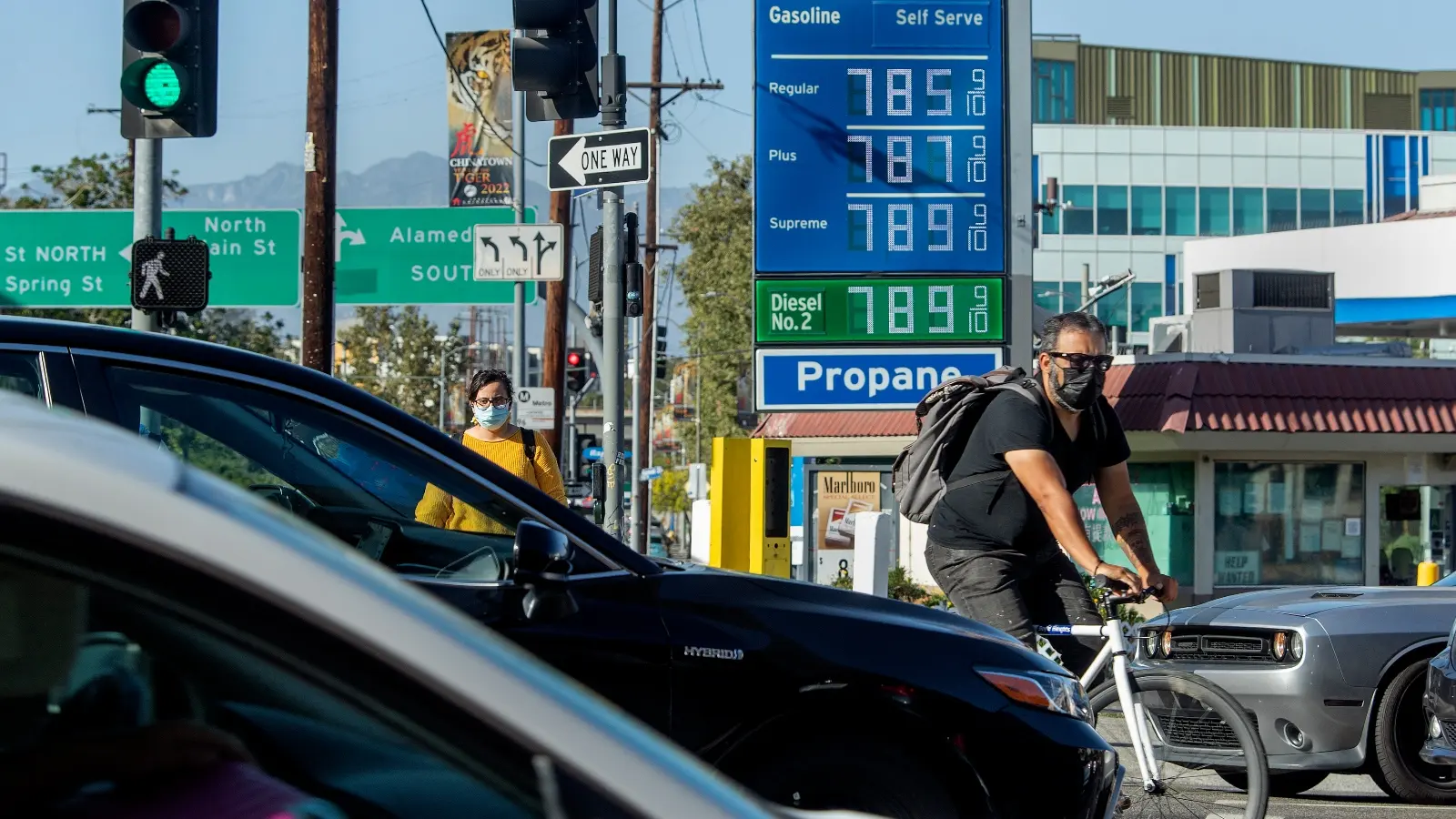
The national average price for gasoline reached $4.49 this week, according to AAA, roughly 51% higher than before the Iran war began. Grocery prices are also accelerating, with food-at-home costs rising 0.7% between March and April alone.
People feel that before they read any economic data. They notice it filling up their cars. They notice it during routine supermarket trips that suddenly cost more than expected again. After several years of inflation strain, even smaller increases carry more weight because many households are already financially stretched.
That unease is beginning to surface more openly inside the Republican Party.
Representative Brian Fitzpatrick of Pennsylvania questioned Washington’s priorities as debate intensified around expensive White House projects and taxpayer-funded initiatives while affordability concerns continue dominating household finances. His comments reflected a broader nervousness quietly building among some Republicans who fear inflation is becoming politically dangerous again.
Representative Don Bacon also criticized tariffs for adding further cost strain and argued Congress had drifted away from traditional free-market conservatism. The concern is becoming easier to understand. Oil traders remain focused on the Iran conflict. Interest rates are still elevated. Businesses are growing more cautious about hiring and expansion while consumers continue pulling back after years of higher living costs.
For households, it all lands together. Fuel prices rise first. Then grocery bills edge higher again. Families start trimming smaller things quietly — fewer meals out, delayed purchases, more attention paid to balances and monthly payments. Businesses notice demand softening and become slower to expand or hire.
That shift tends to spread gradually before it suddenly becomes politically visible. Consumers may not follow every debate in Washington, but they understand when daily life starts feeling harder to afford again. Polling cited in the report shows only 33% of voters currently approve of Donald Trump’s handling of the economy, while approval on cost-of-living issues has fallen even lower. Democrats are also leading generic congressional polling averages despite Republicans controlling the House.
Energy markets remain one of the biggest risks because fuel costs move quickly through the wider economy.
Analysts at Wood Mackenzie warned that if disruption around the Strait of Hormuz continues through the end of the year, Brent crude prices could potentially rise toward $200 per barrel. Even without that worst-case scenario, the warning itself shows how fragile confidence has become around inflation and affordability.
Americans spent years being told the worst inflation shock was temporary. But many households are still dealing with expensive borrowing, elevated housing costs, and thinner financial margins than they had before prices surged several years ago.
For Republicans, the risk is that voters no longer see inflation as an old crisis tied only to the past. Rising fuel and food costs are starting to revive a financial anxiety that many households never fully escaped.