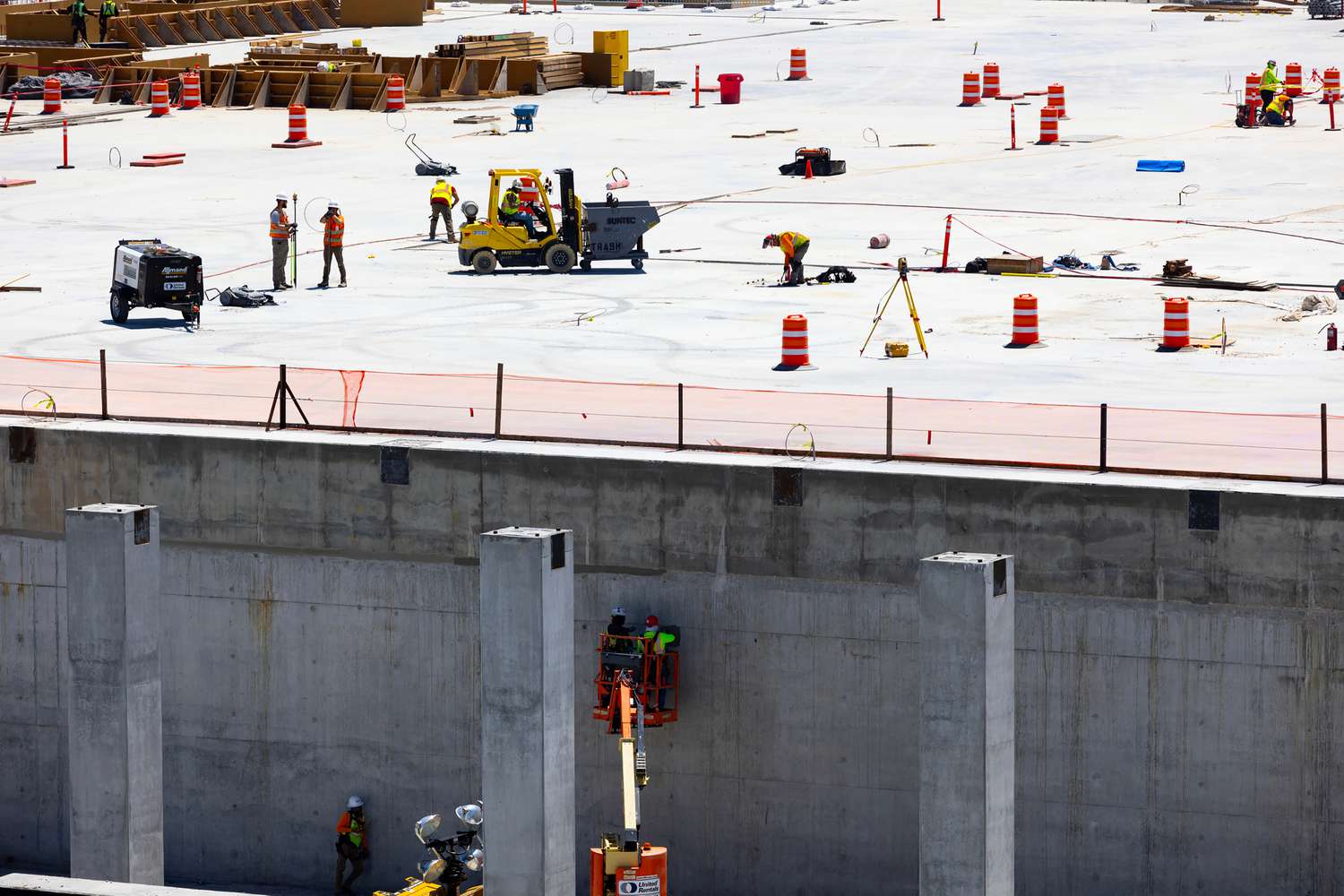
America's manufacturing comeback is showing signs of stalling as factory spending falls and tens of thousands of manufacturing jobs disappear, raising fresh questions about whether promised factory projects are reaching workers and local economies that have spent years waiting for an industrial revival. The slowdown is emerging despite hundreds of billions of dollars in announced expansion plans and growing political pressure to bring production back to the United States.
New figures show private spending on manufacturing construction fell to $15.2 billion in April, down roughly 16% since the start of President Trump's second term. Over the same period, manufacturing employment has declined by 77,000 jobs. The numbers point to a widening gap between headline-grabbing corporate commitments and the economic activity that creates paychecks, supports local businesses and strengthens regional economies.
The disconnect matters because manufacturing has traditionally played a larger role than many other industries in supporting middle-income households. Factory jobs have long helped workers buy homes, finance vehicles and spend money throughout their local areas. When hiring slows, the effects often extend far beyond industrial parks and into restaurants, retailers, service businesses and housing markets.
The contrast between promises and reality has become increasingly difficult to ignore. More than $900 billion in factory and industrial projects have been announced since January 2025, yet the pace of actual construction has moved in the opposite direction. For many factory towns hoping to see a surge in employment and economic activity, the expected boom remains largely out of reach.
Businesses are not necessarily abandoning expansion plans. Instead, many appear to be delaying the moment when announcements become construction sites, equipment orders and new payrolls. The slowdown is increasingly visible in the data.
A mix of factors appears to be driving the hesitation. Trade policy uncertainty, geopolitical tensions and concerns about future costs have complicated long-term planning for manufacturers. While tariffs have encouraged some domestic production, they have also added another layer of unpredictability for companies deciding where and when to commit capital.
Some economists argue that recent increases in manufacturing output may not be as encouraging as they initially appear. In some cases, companies have increased inventories because they are worried about future supply disruptions or rising costs rather than because customer demand is accelerating. Activity driven by precaution tends to look very different from activity driven by confidence.
The caution is not limited to manufacturing. Across the economy, executives are slowing major spending decisions and taking longer to approve expansion plans. Companies that looked ready to push ahead a year ago are now weighing costs, demand and trade uncertainty more carefully before committing to large projects.
The labor market faces an additional challenge. Even when new factories are built, modern manufacturing facilities typically require far fewer workers than previous generations of industrial plants. Advances in automation allow companies to increase production while adding relatively few employees.
It also helps explain why some industrial regions continue to struggle even when new facilities arrive. Fresh economic activity can bring benefits, but it often cannot replace the scale of employment lost during decades of factory closures, offshoring and industrial restructuring.
For households, slower manufacturing hiring can have consequences that reach beyond the job market itself. Regions that depend heavily on industrial employment may see weaker wage growth, more cautious consumer spending and less confidence around major financial decisions. Families already dealing with elevated borrowing costs and affordability pressures often become more careful when future income feels less secure.
Manufacturing's struggles are exposing a challenge that extends well beyond factory floors. Corporate announcements remain plentiful, but businesses are showing signs of restraint when it comes to turning plans into construction, hiring and long-term economic activity. When that process slows, the benefits expected to ripple through local economies can take far longer to arrive.
Many factory towns are still waiting for evidence that the promised manufacturing boom is reaching workers rather than remaining stuck in corporate announcements and political speeches. With construction activity falling and hiring continuing to weaken, the question is no longer whether investment plans exist. It is whether they will arrive quickly enough to reverse the economic drift that many industrial regions have spent years trying to escape.