Kraft Heinz is spending $600 million to revive growth after years of losing market share, a sign of mounting strain across the grocery industry as households become more selective and cheaper private-label brands continue gaining ground. The investment push comes as food manufacturers face a tougher environment where shoppers are scrutinising every purchase and long-established brands can no longer rely on loyalty alone.
The company’s new CEO, Steve Cahillane, says the spending on marketing and product development should create a stronger innovation pipeline next year and help accelerate growth in 2027. Yet the size of the investment also highlights how much the competitive landscape has changed. Winning back customers now requires significantly more spending, experimentation and risk than it did a decade ago.
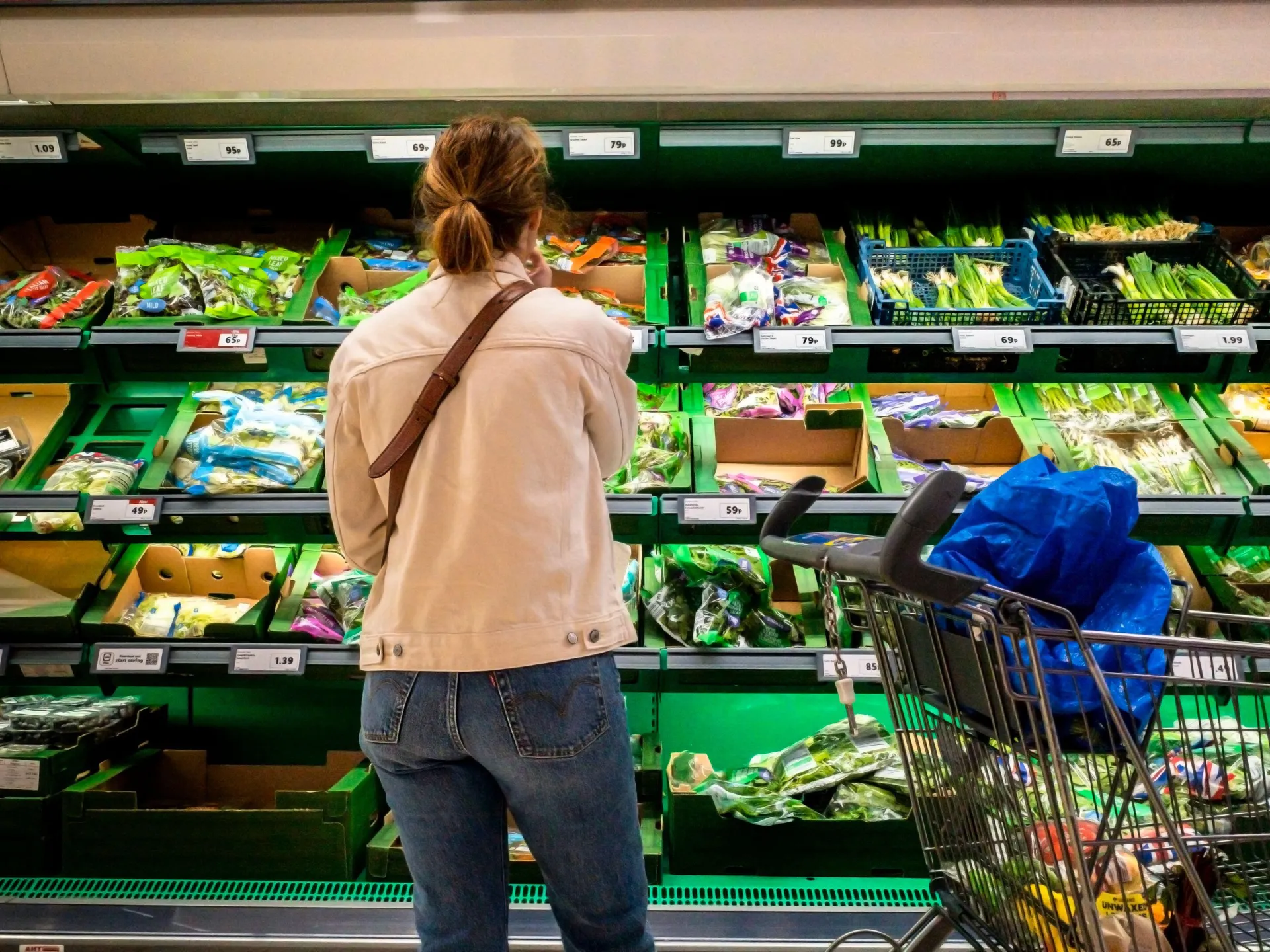
For many households, the story goes beyond a new version of Mac & Cheese or another product launch. Grocery budgets remain stretched, and shoppers have become increasingly willing to switch brands when they see better value elsewhere. That shift is forcing food companies to rethink how they compete, particularly as supermarket own-brand products continue to gain traction.
Kraft Heinz is responding by expanding into categories linked to health and wellness. The company recently launched a protein-enhanced Mac & Cheese, electrolyte-infused Capri Sun drinks and additional products within its Heinz Zero range, aiming to attract buyers looking for healthier options without dramatically increasing spending.
There is a reason for the increased spending. Kraft Heinz has spent years losing ground to both emerging food brands and retailer-owned alternatives. While inflation initially allowed many consumer-goods companies to raise prices, many households eventually pushed back. Some traded down to lower-cost products, while others shifted spending toward brands that better matched changing dietary preferences.
That leaves companies navigating a difficult balancing act. Kraft Heinz says it plans to absorb roughly 80% of inflation-related costs this year rather than pass them directly to customers. The decision may help preserve sales, but it also squeezes margins and places greater importance on successful product launches.
Kraft Heinz is not alone. Food companies across the industry are spending more money simply to defend shelf space and hold onto customers. With sales growth becoming harder to achieve, executives are being forced to decide where to spend, which brands deserve support and how much cost-cutting they can risk before it starts hurting growth.
There are some encouraging signs for Kraft Heinz. The company said the proportion of products holding or gaining market share rose to 58% in March, up from 21% at the end of 2025. Cahillane has indicated spending could increase further if early gains continue.
The spending is substantial. The sales numbers suggest it may not be enough yet.
Nielsen figures cited by analysts showed U.S. volumes falling 4.1% in the four weeks to May 16, while dollar sales slipped 1.9%. Those figures point to shoppers who remain cautious despite heavy spending by brands trying to win attention.
As grocery bills continue to shape household decisions, brands that once dominated supermarket shelves are discovering that purchasing habits are changing faster than expected. People are comparing prices more closely, experimenting with alternatives and becoming less predictable than they were in previous decades.
For years, the biggest food companies could depend on familiar brands and relatively stable buying patterns. That environment is becoming harder to find. As more shoppers weigh every item that goes into their basket, the industry's biggest brands are finding that size alone no longer guarantees growth. For companies built on household staples, that may prove to be the toughest adjustment of all.