Cryptocurrency trading explained: how digital asset markets work
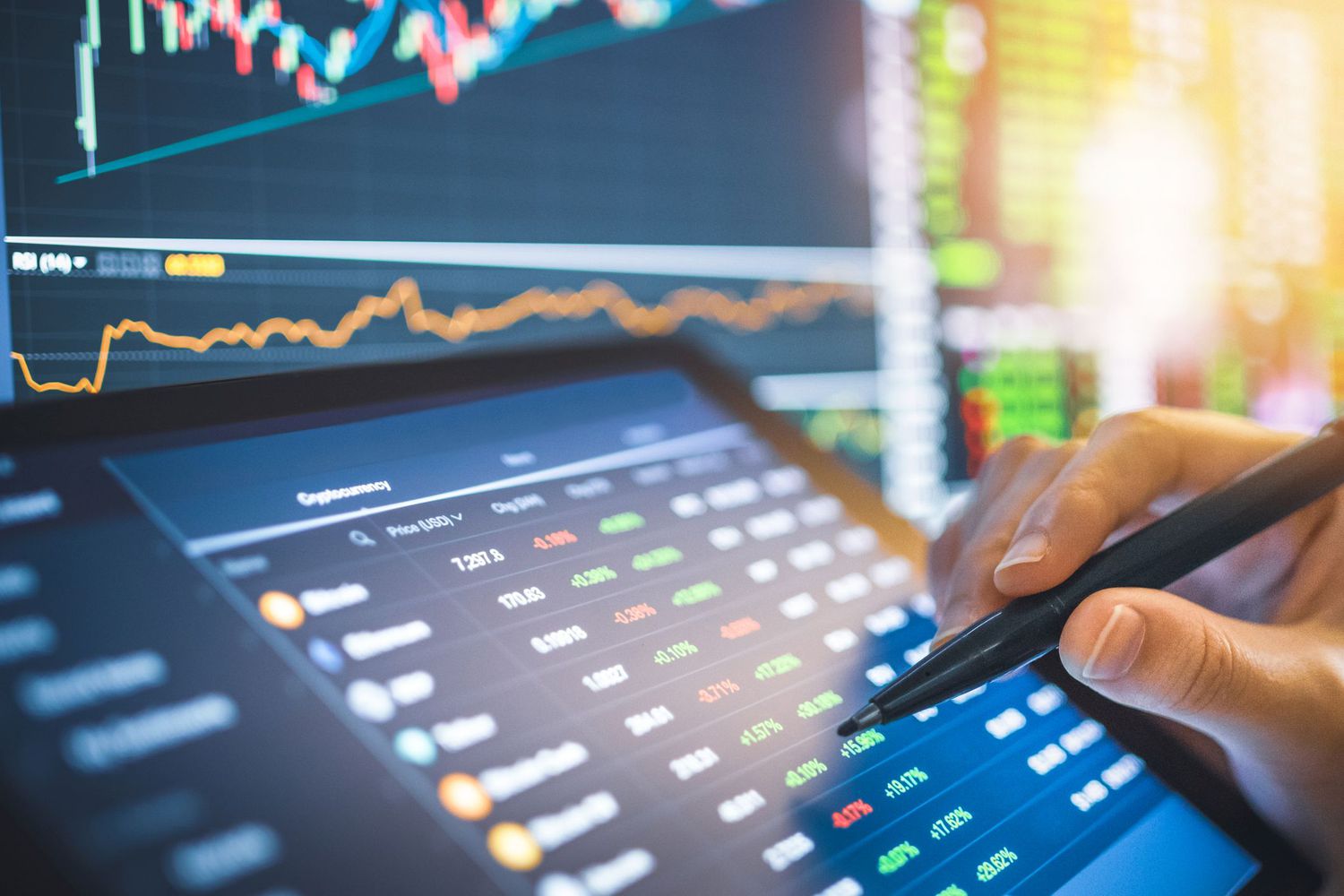
Cryptocurrency trading involves speculating on price movements via a CFD trading account or buying and selling the underlying coins on an exchange. This fast-paced financial environment attracts millions of participants globally who seek to capitalize on high market volatility.
The core mechanics of digital asset exchanges
Digital asset markets operate similarly to traditional stock exchanges but run around the clock without central oversight. Traders connect to platforms where supply and demand dictate the current price of every listed coin. Buyers place orders to acquire assets, while sellers offer their holdings at specific levels.
When these two parties agree on a price, a transaction occurs instantly. Algorithms facilitate this process to ensure liquidity remains high even during periods of intense market activity. You can explore more technical details regarding these processes by visiting the following resource: https://www.equiti.com/uae-ens/news/crypto-hub/what-is-cryptocurrency-trading-and-how-does-it-work/.
Price discovery happens through a process called an order book. This digital ledger tracks all pending buy and sell requests in real time. Large discrepancies between these orders create a spread, which represents the cost of executing a trade. Traders must monitor these spreads closely to avoid unnecessary losses. Many participants use limit orders to specify the exact price they are willing to pay. Market orders, by contrast, execute immediately at the current available rate.
Understanding volatility and market sentiment
Cryptocurrency prices fluctuate significantly due to news, regulatory shifts, and broader economic trends. These rapid swings define the sector and provide unique opportunities for active market participants. Sentiment analysis often drives short-term trends as traders react to social media buzz or institutional announcements. Fear and greed are the primary psychological drivers behind most sudden price spikes or crashes. Experienced investors learn to detach their emotions from these chaotic market cycles.
Maintaining a disciplined approach helps mitigate risks associated with extreme price volatility. Many traders utilize technical analysis tools to identify patterns and predict future movements.
Charts reveal historical trends that might repeat under similar market conditions. However, past performance never guarantees future results in the world of digital assets. Diversification serves as a standard strategy to protect capital against sudden drops in value. Always evaluate your risk tolerance before committing funds to such speculative ventures.
Institutional infrastructure and secure environments
Modern trading requires reliable platforms that prioritize security and regulatory compliance. Equiti Brokerage (Seychelles) Limited functions as an FSA-regulated multi-asset broker providing global access to various financial instruments. They integrate innovative technology to ensure that users can execute trades with speed and precision. Secure environments protect sensitive data from cyber threats. Traders should always choose partners that maintain high standards of transparency.
Reliable infrastructure prevents technical failures during periods of high traffic. High-frequency trading systems require low latency to function effectively across global networks. Brokers like Equiti Group focus on creating stable conditions for all their clients.
They provide the necessary tools for both beginners and seasoned professionals to navigate complex markets. Stability remains a vital component for anyone looking to trade digital assets over the long term. Trustworthy platforms form the backbone of a healthy financial ecosystem.
Strategic approaches to asset management
Success in digital asset markets depends on a well-defined strategy rather than guesswork. Some traders prefer holding assets for long periods to benefit from fundamental growth. Others engage in day trading to profit from small price changes throughout the session. Choosing a methodology requires a deep understanding of your personal financial goals. You must also consider the impact of transaction fees on your overall profitability.
Effective management involves setting strict stop-loss orders to limit potential downsides. This simple technique closes a position automatically if the price moves against your expectations. Never invest money that you cannot afford to lose entirely. Continuous learning allows you to adapt to new technologies and changing market dynamics. Knowledge acts as your strongest asset when navigating the complexities of blockchain-based finance. Focus on building a sustainable process instead of chasing quick gains.