Why People Order Academic Copies for Collections
Humans are naturally attracted to the idea of collecting things. There is a bit of psychology within us that makes us want to complete a collection we started. Maybe it's Funko Pop! figurine, a well-loved comic series, or a complete set of books by your favorite author.
Collections are everywhere, but they’re also now beginning to evolve beyond the expected. Nowadays, some people are collecting more niche wares that wouldn’t have come into your consideration at all. This is how, quietly, academic replicas are becoming part of the collectables conversation.
In this article, we’ll cover the foundations of paper and print collections, what has drawn people to academic certificates as part of this, as well as the reasons behind replicas, and the growing community of people buying them.
The origins and traditions of collecting paper and print
Ephemera is the term used to describe everyday printed or written items that were never intended to last: tickets, receipts, pamphlets. They were disposable at the time of issue, but have since become collectible for some individuals.
Old certificates are part of this grouping too, the type of traditional certificates that were unlikely to survive the elements. It is this specific idea of collecting vintage documents that has led to academic replicas being seen as collectable.
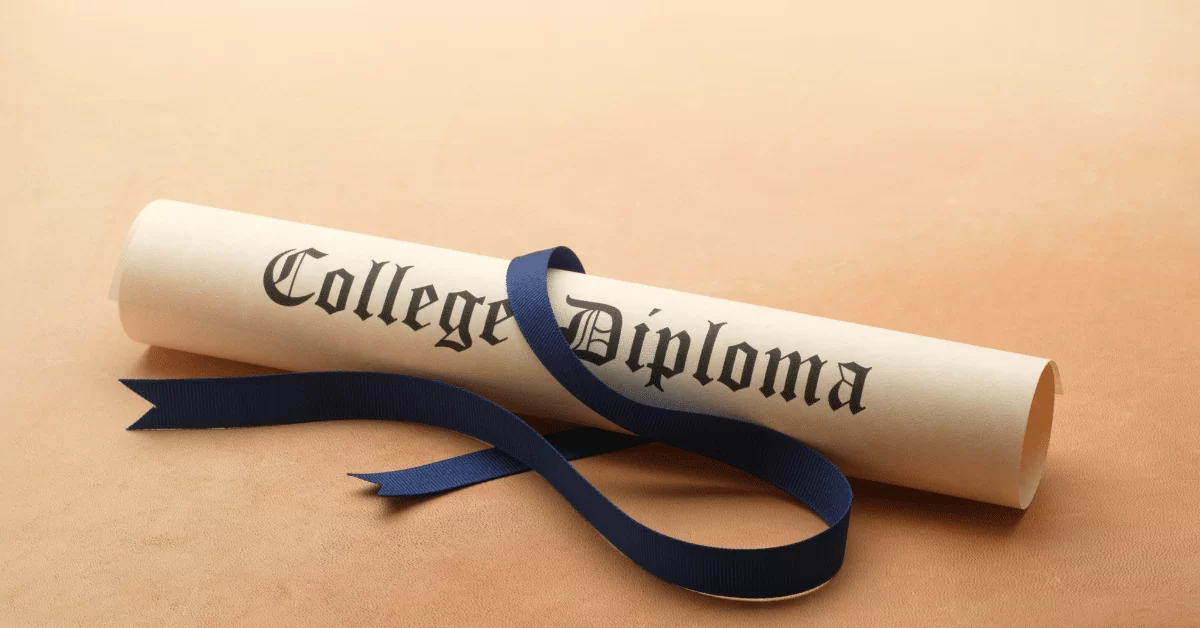
One factor that contributes to this core appeal is the visual design of an academic certificate. This is because it represents the institution individually whilst ensuring it also contains all the key information reflecting the achievement of the person to whom it is awarded. Another element is the craft of the lettering, the choice of heavyweight cardstock, and the overall look and feel of the item with the seal intact.
The tradition of the craft being so unique in its application is ultimately why collectors, over the last few years, have begun taking academic replicas seriously as objects worth owning. There are several uses for one, once a collector has identified the style and era they wish to acquire.
Academic certificates are a growing market for collectors
Within document collecting itself, academic certificates have carved out their own specific niche. Diplomas, professional certificates, and vintage-style academic documents are all garnering more interest than ever before within this space.
In fact, the growing size of this market is actually the reason why search volume is on the increase for terms like fake GED certificates; people want replicas of their own as part of their own document collections. It is a true reflection of how the collector market has begun to merge with the replica market, and, as a result, language has developed to meet the needs of collectors across the world.
Collectors are drawn to academic certificates because they are a great display piece, a replica of something that represents an alternate universe: for example, Steve may be a marketing genius, with all the qualifications to show for it, but as part of his sharp personality and witty thinking, he wants to own a replica certificate that declares him a “Doctor” of Marketing, because that on display gives you an idea of his quirky nature.
These are tools used for novelty, rather than misrepresentation. So it’s like anything else in this niche, collectors are drawn to the same three factors: design, history, and the story the piece tells.
Display, décor, and personal meaning
A well-produced replica certificate framed on a wall can be a truly attractive piece of décor. The combination of the typography, seals, and its formal design all contribute to its visual appeal and presence on the wall of any room.
So many households across the country have a gallery wall these days, featuring vintage and modern photos, eclectic printed pieces, and décor that represents the family’s interests, hobbies and personality. Replica certificates sit completely naturally within that interior design feature.
For some collectors, academic replicas go beyond just the aesthetics of them. It can represent something personal: perhaps they want a print platforming an institution with family history, or a qualification that they admire, or even a milestone that they want to mark.
At its heart, collecting is ultimately a form of personal curation. What you choose to display in your home says something about you. People who are proud of their own in-house bar will have prints featuring their favourite cocktail recipes, sports fans will display their prized signed memorabilia, and those with a love of learning and personal achievement will display the certificates and diplomas that tell their story.
Bespoke memorabilia is a growing and legitimate collectables community
It is thanks to all these factors that this subsection of collections has rapidly increased over the last ten years, and in fact, this particular hobby hasn’t grown in isolation either. Online communities have helped play a significant role in bringing collectors together, no matter their interest, and formalising the love of the chase.
These communities live on specialised forums, internet messageboards, and in niche interest groups on popular social media platforms. People ask for assistance in hunting down specific items, they share impressive, unique finds, and discuss suppliers while debating quality and craft throughout the whole narrative.
Consumers are increasingly looking for objects that feel specific to them, and this has led to an increase in the customization of academic replica certificates, custom prints, and made-to-order collectibles. It is a broad cultural shift for both academic copies and all other types of acquiring bespoke memorabilia.
Overall, this growing sector is moving from the periphery to the mainstream. Reading this article today may be the first time you’ve heard of it, or seen a definition of the word “ephemera”, but it won’t be the last. This is a natural evolution of collector culture, and shouldn’t be seen as unusual or unlikely to last.
Collecting academic replicas is a hobby worth watching
Overall, collecting has always been about more than the object itself, but rather about the representation of the item and what it says about the owner's personality. Funko Pop! figurines, popular literature, and ephemera or academic replicas all have the same single thread that runs through them: meaning, craft, and the story of an object. That’s what makes collectables, well… collectable.
The specific subsector of academic replicas will only continue to grow, as people already involved in collecting them understand something about value that the mainstream audience has only just begun to catch up with. After all, the most interesting collections aren’t ever really about the items themselves; they’re about the person who chose them.
Finance Monthly Important notice: Finance Monthly does not endorse the creation, purchase or use of false, altered or misleading financial, employment, educational or identity documents. Replica documents must never be presented as genuine or used to misrepresent a person’s income, qualifications, employment, identity or financial circumstances. Doing so may constitute fraud, forgery or another criminal offence. Any services referenced in this article are discussed solely for lawful purposes, such as clearly marked novelty items, theatrical props or legitimate replacement-document assistance. Readers are responsible for confirming that any product or service they use complies with the laws applicable in their jurisdiction.