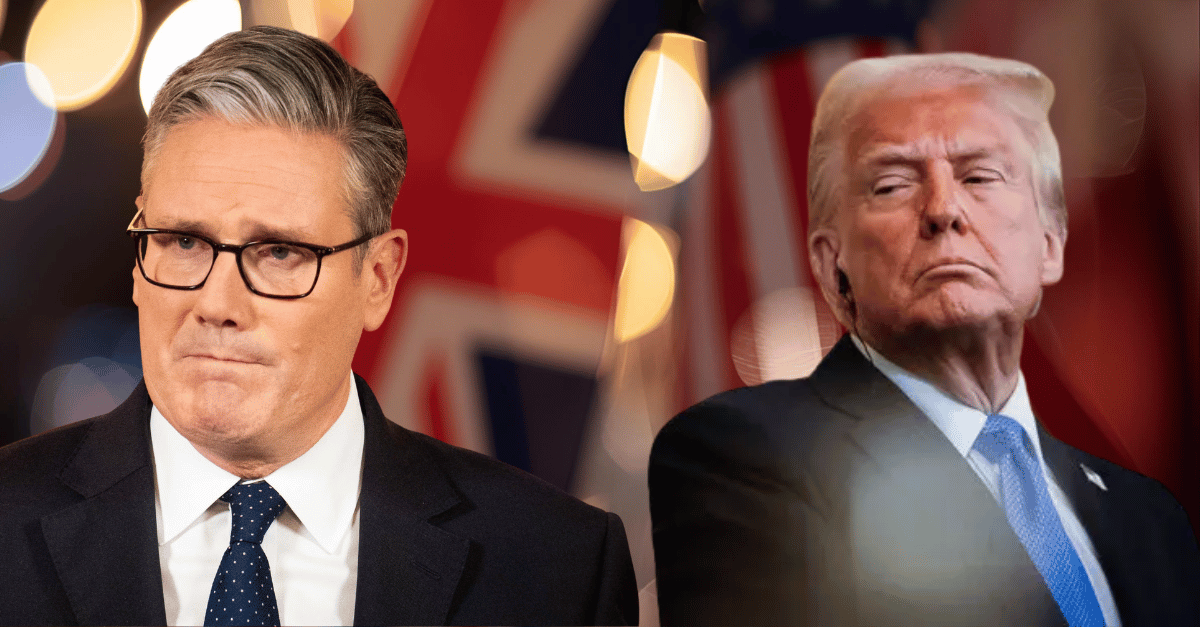
In a dramatic turn that has electrified boardrooms across the Atlantic, the United States and United Kingdom have finalized a groundbreaking trade agreement today, December 1, 2025, eliminating tariffs on pharmaceutical imports entirely for the next three years. This long-awaited breakthrough comes just as fears of crippling 100% duties loomed large, threatening to upend billions in cross-border medicine flows and send shockwaves through global health markets. Sources familiar with the talks confirm the deal safeguards UK drug exports to the US, valued at £11.1 billion over the past year, a lifeline that pulses with urgency for Britain's powerhouse pharma sector.
The agreement arrives amid heightened tensions from recent US tariff threats, echoing the broader US-UK Economic Prosperity Deal struck earlier this year, which capped most goods tariffs at 10%. Yet pharmaceuticals, a crown jewel in bilateral trade, demanded special handling, and today's announcement delivers precisely that, blending relief with a surge of optimism for investors watching closely. According to analysis reviewed by Finance Monthly, this pact not only averts economic fallout but positions the UK as a beacon for life sciences investment in an increasingly protectionist world.
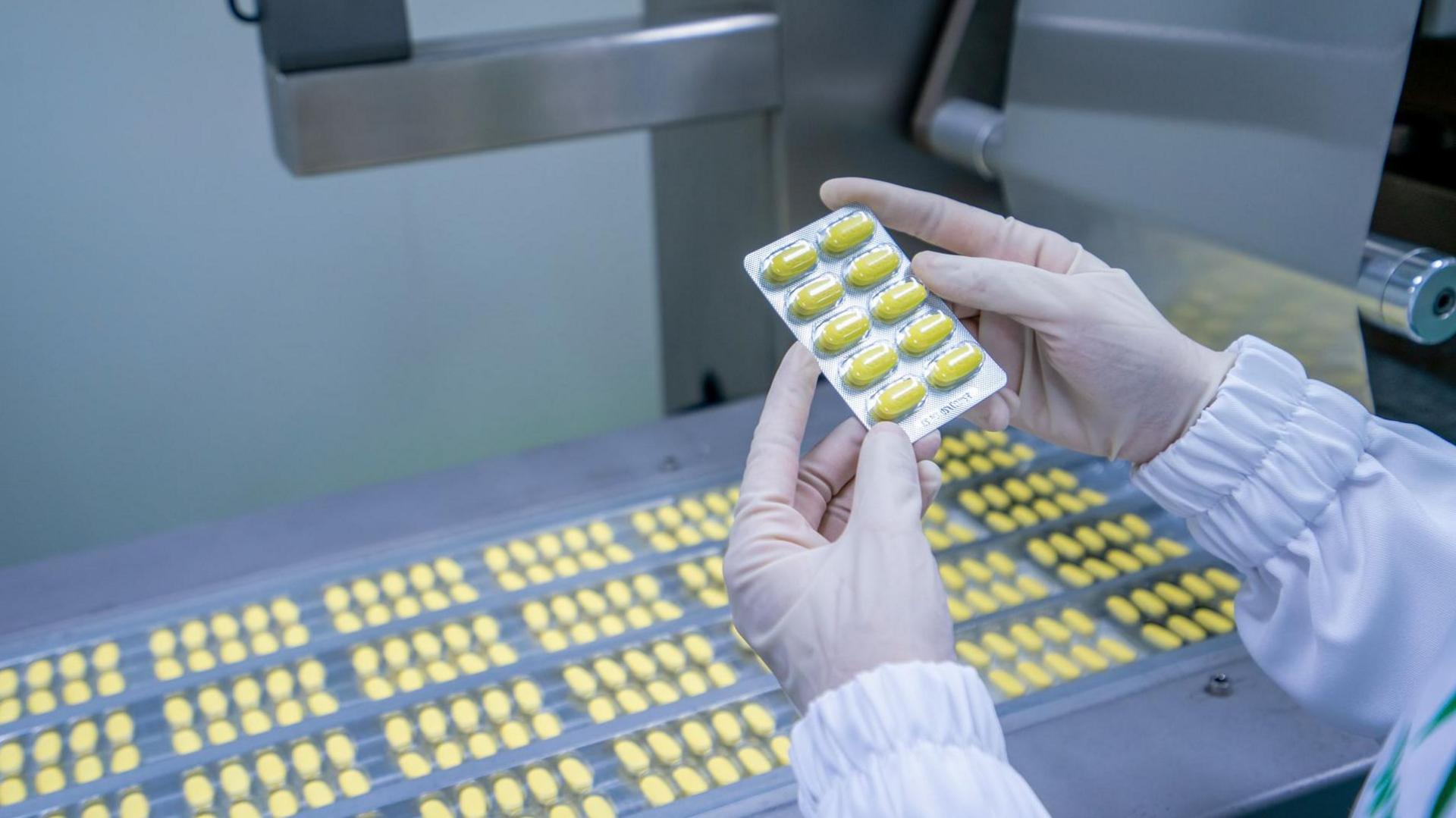
Billions in UK-made medicines, like these in a pharmaceutical factory, stand to benefit from the new zero-tariff agreement with the US, safeguarding exports and boosting the industry’s financial outlook.
How the Deal Shields Billions in Trade and Sparks New Opportunities
At its core, the zero-tariff arrangement locks in duty-free access for UK-branded medicines entering the US market, directly countering proposals that could have jacked up costs exponentially. In return, the UK commits to lifting its threshold for deeming new treatments "excessively priced" by 25%, a move that empowers the National Health Service to ramp up spending on cutting-edge therapies without immediate political firestorms. This reciprocal structure promises to inject fresh revenue into pharmaceutical pipelines while keeping therapies accessible on both sides of the ocean.
For everyday consumers, the implications ripple outward in profound ways, ensuring a stable supply of vital drugs amid supply chain jitters that have plagued the industry since Brexit and the pandemic. Richard Torbett, chief executive of the Association of the British Pharmaceutical Industry, captured the emotional weight of this moment when he stated that the deal represents "good news for NHS patients and will help to support UK life sciences competitiveness," underscoring a hard-won victory that feels deeply personal for the scientists, families, and leaders who've fought for it. With UK pharma exports comprising nearly 17.5% of all goods sent stateside, this accord doesn't just protect numbers on a ledger, it preserves the human stories behind innovative cures racing toward patients in need.
The High-Stakes Gamble for Pharma Titans Like GSK and AstraZeneca
No one feels the pulse of this deal more acutely than Britain's pharma behemoths, whose fortunes hang in the balance of transatlantic trust. GlaxoSmithKline, or GSK, had already funneled $30 billion into US soil for research and factories, a bold pivot born from tariff dread that left UK ambitions in limbo. AstraZeneca mirrored that unease with a $50 billion US expansion, even shelving a £200 million research hub in Cambridge, while Merck nixed a £1 billion British build-out entirely, channeling funds elsewhere in a heartbreaking detour from homegrown promise.
Zero tariffs flip this narrative on its head, potentially coaxing back those paused dreams and unlocking tens of billions in redirected capital. Imagine the quiet thrill in C-suite discussions today, as executives weigh reviving those shelved projects, each one a potential cradle for breakthroughs that could save lives and create thousands of skilled jobs. For GSK and AstraZeneca combined, safeguarding $15 to $20 billion in yearly US revenue streams isn't mere accounting, it's the emotional anchor allowing these firms to dream bigger, invest bolder, and reclaim their role as global trailblazers without the shadow of trade wars dimming their vision.
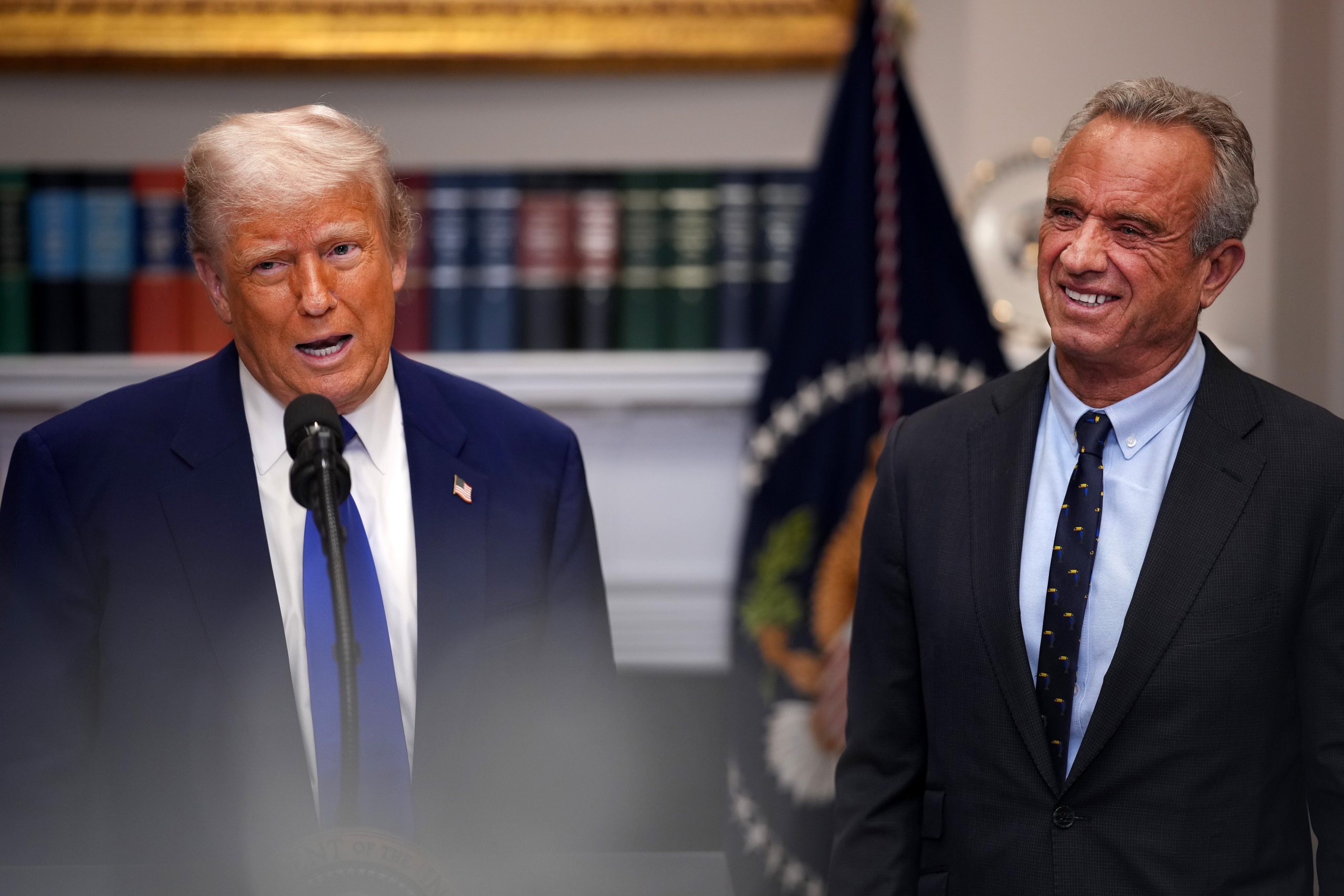
Donald Trump and Robert F. Kennedy Jr., key figures in negotiating the US side of the zero-tariff pharmaceutical deal, play a crucial role in shaping the $11 billion trade relationship between the UK and US.
Why This Zero-Tariff Pact Could Redefine Investor Confidence in Global Pharma
Beyond the immediate cheers, this deal weaves a deeper financial thread, one centered on how tariff certainty can turbocharge corporate valuations and lure institutional money back to UK shores. In plain terms, tariffs act like an invisible tax that inflates costs and erodes profits, prompting investors to slap a "risk premium" on stock prices, essentially discounting future earnings to account for uncertainty. With duties now erased, that premium evaporates, letting companies like AstraZeneca and GSK command higher multiples on their revenues, which could translate to a swift 5-10% uplift in share values over the coming weeks.
Consider this fresh insight: historical data from similar trade pacts, such as the 2018 US-Mexico-Canada Agreement, showed pharma equities in affected regions surging by an average of 7.2%, injecting over $100 billion in market cap gains across North American firms. Here, for UK pharma giants boasting a combined market capitalization exceeding $400 billion, even a modest 5% bump equates to $20 billion in unlocked value, a windfall that signals to pension funds and everyday shareholders alike that stability breeds prosperity.
This isn't abstract economics, it's the tangible boost that could fund your neighbor's next medical marvel or pad retirement portfolios strained by global volatility. Experts interpret this as a pivotal shift, where resolved trade friction doesn't just steady the ship, it sets sail for an era of accelerated innovation, with UK facilities poised to capture a larger slice of the $1.5 trillion global industry pie.
Beyond the Headlines: What Readers Want to Know Next
Will This Deal Lower Drug Prices for American Families?
Absolutely, though the savings unfold gradually through stabilized supply chains and reduced import pressures that might otherwise hike costs by double digits. US consumers, who already shoulder the world's highest medicine bills, stand to benefit from consistent access to UK-sourced treatments like AstraZeneca's oncology drugs, potentially curbing annual healthcare outlays by billions across insurers and patients alike.
This pact eases the squeeze on household budgets, especially for chronic conditions where branded meds dominate spending, fostering a sense of fairness in a system long criticized for its imbalances. Over time, as competition heats up without tariff distortions, experts foresee modest price moderation, making vital therapies feel less like a luxury and more like a right.
How Might Higher NHS Spending Impact Everyday UK Patients?
The 25% threshold hike means the NHS can greenlight pricier new drugs more readily, expanding options for treatments in areas like rare diseases and cancer where delays have cost lives. While this could strain public coffers initially, channeling an extra £2-3 billion annually into innovative meds promises faster access to therapies that extend lifespans and improve quality of life, a trade-off many families embrace amid stories of loved ones waiting too long. Ultimately, it humanizes healthcare decisions, prioritizing patient outcomes over rigid budgets and reinforcing the emotional bond between a grateful public and its world-class health service.
Which UK Pharma Companies Are Poised for the Biggest Wins?
GSK and AstraZeneca top the list, given their heavy US exposure and recent investment hesitations now ripe for reversal, potentially adding $10-15 billion in protected revenues each year. Smaller players like Hikma Pharmaceuticals could also thrive through scaled-up exports of generics, while the sector as a whole eyes 20,000 new jobs from revived R&D sites. This windfall extends to suppliers and biotech startups, creating a virtuous cycle of growth that excites investors hunting for resilient bets in a turbulent market, all while keeping the UK's life sciences heartbeat strong.