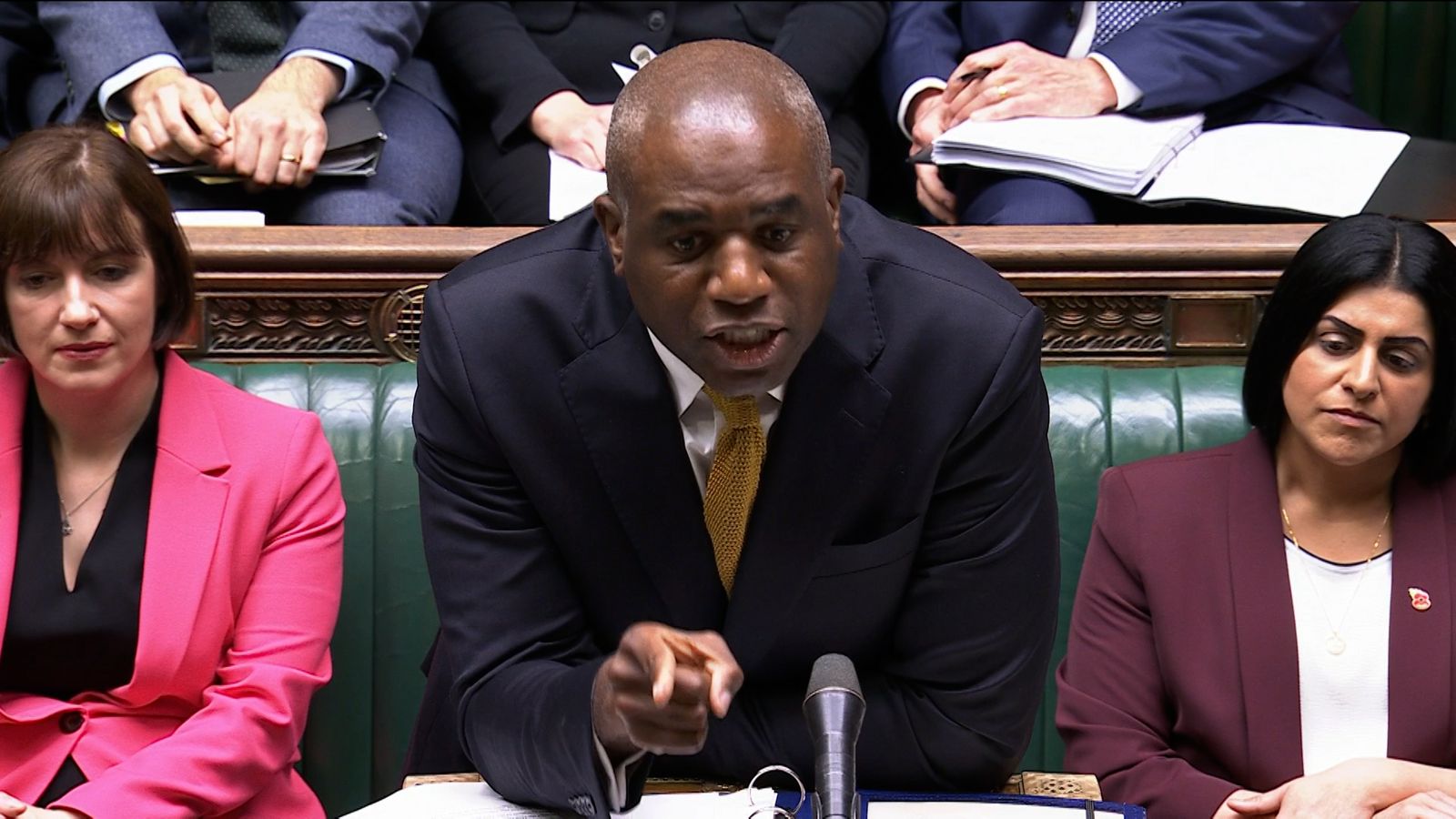
Justice Secretary David Lammy has just confirmed that another 12 prisoners were mistakenly released over the past three weeks, piling onto the 91 errors already exposed this year in the UK's strained criminal justice system. Two of those latest escapees are still at large, fueling widespread anxiety about whether the government can truly safeguard communities amid these glaring oversights. This fresh revelation, breaking today, underscores a deepening crisis that goes far beyond security lapses, hitting ordinary families right in the wallet through skyrocketing taxpayer expenses.
Lammy did not shy away from the gravity during his BBC appearance this morning, where he highlighted the prison system's outdated, paper-heavy operations that breed inevitable human slip-ups until a seamless digital overhaul takes hold. He noted a recent uptick in accidental releases but stressed that numbers are finally trending downward, a claim that feels hollow to many watching their taxes vanish into reactive fixes. The emotional weight lands hardest on households already squeezed by rising bills, wondering why public funds must chase after preventable blunders instead of bolstering frontline protections.

An inmate steps out of a prison gate — the kind of release that should only happen by design, not error. Each accidental discharge forces taxpayers to fund expensive recapture operations and administrative corrections.
The Hidden Price Tag: Unpacking the True Cost of Accidental Prisoner Releases
Most folks grasp the shock of a wrongly freed inmate making headlines, yet few grasp the eye-watering financial toll that follows, one that balloons quietly and burdens everyday taxpayers without fanfare. Each slip triggers an avalanche of expenses, from urgent manhunts involving police overtime and specialist squads to exhaustive case audits and legal reruns, often totaling £15,000 to £40,000 per high-risk offender alone. Add in administrative resets at £3,000 to £5,000 a pop, plus potential court backlogs and even rare victim compensation claims, and the ledger quickly spirals.
According to analysis reviewed by Finance Monthly, conservative projections peg the 262 mistaken releases from 2023-2024 through 2024-2025 at over £7 million in direct outlays, though insiders whisper the full tally, factoring in unseen bureaucratic drags and operational ripples, could easily double. It's a gut punch, this realization that funds meant for schools or healthcare evaporate on errors born of neglect, leaving communities to foot a bill laced with frustration and fear for what might come next.
A System Under Siege: Staffing Shortfalls and the Path to Digital Relief
At the heart of this mess lies a prison network battered by chronic understaffing, with Lammy pinning much blame on the prior Conservative administration's loss of 6,000 officers, a void that has eroded everything from record accuracy to daily reliability. Fewer hands mean more fumbled paperwork amid swelling inmate numbers and decaying facilities, driving error rates higher and costs through the roof in a vicious cycle that's hard to stomach. Overcrowding compounds it all, stretching resources thin while digital upgrades lag years behind promises.
Shadow Justice Secretary Robert Jenrick fires back, slamming Labour's rushed early-release push as the real chaos catalyst, but both sides agree on one bitter truth: without swift action, taxpayers keep paying dearly for a setup teetering on collapse. Lammy's push for a total digital transformation sounds like salvation, yet experts caution it could demand hundreds of millions upfront, a hefty upfront hit that tests public patience already worn thin by years of half-measures.
The Hadush Kebatu Wake-Up Call: One Case's Stark Financial Echo
Tensions boiled over with Hadush Kebatu's erroneous release, a convicted sex offender whose brief freedom unleashed a frenzy of national alerts, elite search deployments, and beefed-up neighborhood safeguards, racking up tens of thousands in mere hours before containment. This wasn't just a procedural hiccup; it exposed raw vulnerabilities that demand ongoing investments in training and protocols, each layer adding to the taxpayer ledger in ways that sting with urgency and regret. New verification steps rolled out since then aim to staunch the bleed, but they too carry a price tag in manpower and morale.
As John O’Connell, chief executive of the TaxPayers' Alliance, has starkly put it, "It's a national betrayal to demand that British taxpayers foot such a huge bill," a sentiment that resonates deeply when errors like Kebatu's turn abstract budgets into personal anxieties for families craving safer streets without the endless invoice.
The Economic Drain: Opportunity Costs and Why Prison Errors Rob Us All
Beyond the immediate scramble of each botched release, a sharper financial sting emerges in the form of opportunity costs, those vital public pounds diverted from growth-spurring investments into endless damage control. In plain terms, opportunity cost means choosing one spend over another, like pouring cash into recapture ops instead of, say, community programs that prevent crime upfront, a trade-off that quietly erodes economic vitality for working families. It's not just lost money; it's foregone progress, where £7 million in fixes could instead fund apprenticeships or local infrastructure, fostering jobs and stability that ripple positively through neighborhoods.
This angle hits home with fresh insight from recent fiscal breakdowns: the average £54,000 annual cost to house one inmate, per TaxPayers' Alliance data, underscores how inefficiencies amplify waste, with mistaken releases effectively doubling that burn through reactive layers. Take an anonymized example from last year's audits, where a single error chain sucked up £25,000 in pursuits, equivalent to outfitting a small town's youth center, a missed chance that leaves communities poorer in spirit and substance.
Experts like those at the Institute for Fiscal Studies interpret this as a systemic inefficiency tax, one where failing to digitize soon could inflate annual error bills past £10 million by 2027, starving sectors like education from funds they desperately need. For consumers navigating tight budgets, it's a call to demand smarter stewardship, turning outrage into advocacy for reforms that safeguard both safety and solvency.

David Lammy addresses the nation during a political event, with the Union Jack proudly displayed behind him.
Beyond the Headlines: What You're Wondering About Prisoner Release Costs
How Much Does a Single Mistaken Prisoner Release Actually Cost Taxpayers?
A typical accidental release racks up £18,000 to £45,000 per case, blending emergency hunts with admin overhauls and legal tweaks, figures drawn from Ministry of Justice internals that reveal the hidden heft. This doesn't capture intangibles like eroded trust or extended victim support, which stretch the emotional and fiscal toll further, making each incident a reminder of why modernization can't wait. Taxpayers deserve transparency here, as these sums directly trim resources for essentials like healthcare, urging a push for accountability that protects public purses long-term.
Why Are Prison Errors Surging Now, and What's the Government Doing?
The surge ties to staffing gaps from past cuts, now colliding with overcrowding and archaic systems, as Lammy admitted today, with 103 errors year-to-date outpacing prior tallies. Labour's response includes piloting digital checks and hiring drives, yet skeptics question timelines amid budget squeezes, a tension that breeds public wariness. Understanding this context empowers voters to press for faster fixes, ensuring safety nets strengthen without endless cost overruns that burden household finances.
Could Investing in Digital Systems Save Taxpayers Millions in the Long Run?
Absolutely, a full digital pivot could slash error rates by 70 percent within two years, per pilot data, trimming recapture spends and streamlining ops to redirect £50 million annually toward proactive policing. It's an upfront outlay of £200 million, but the payback in efficiency and peace of mind far outweighs it, offering a blueprint for fiscal prudence that resonates with families tired of subsidizing slip-ups. This shift isn't luxury; it's essential for a justice system that serves, not strains, the public good.
My Take: A Basic Safeguard That's Failing Us All
Let's cut through the excuses for a moment, because this isn't rocket science, it's basic duty. Keeping track of who's in prison and releasing them only when the sentence is served should be the simplest cog in the justice machine, yet here we are with 103 slip-ups this year alone, including 12 fresh ones that Lammy himself confirmed today. It's unacceptable, plain and full stop, a negligence that doesn't just embarrass officials but endangers real lives, from vulnerable kids in Kebatu's shadow to entire neighborhoods left scanning shadows for threats that shouldn't be roaming free.
The danger isn't abstract, it's the sleepless nights parents endure, the eroded trust in a system sworn to protect us, all while our taxes hemorrhage millions on frantic roundups and patchwork fixes that never quite stick. Seven million pounds and climbing isn't chump change, it's the equivalent of funding new community centers or bolstering local schools, resources yanked away to mop up messes born of complacency and cuts.
We're not asking for miracles, just competence, a digital backbone that ensures no one walks out early by accident, turning outrage into the momentum for real change before the next headline hits too close to home. Taxpayers like you and me deserve better than subsidizing avoidable chaos, and it's high time leaders owned that truth.