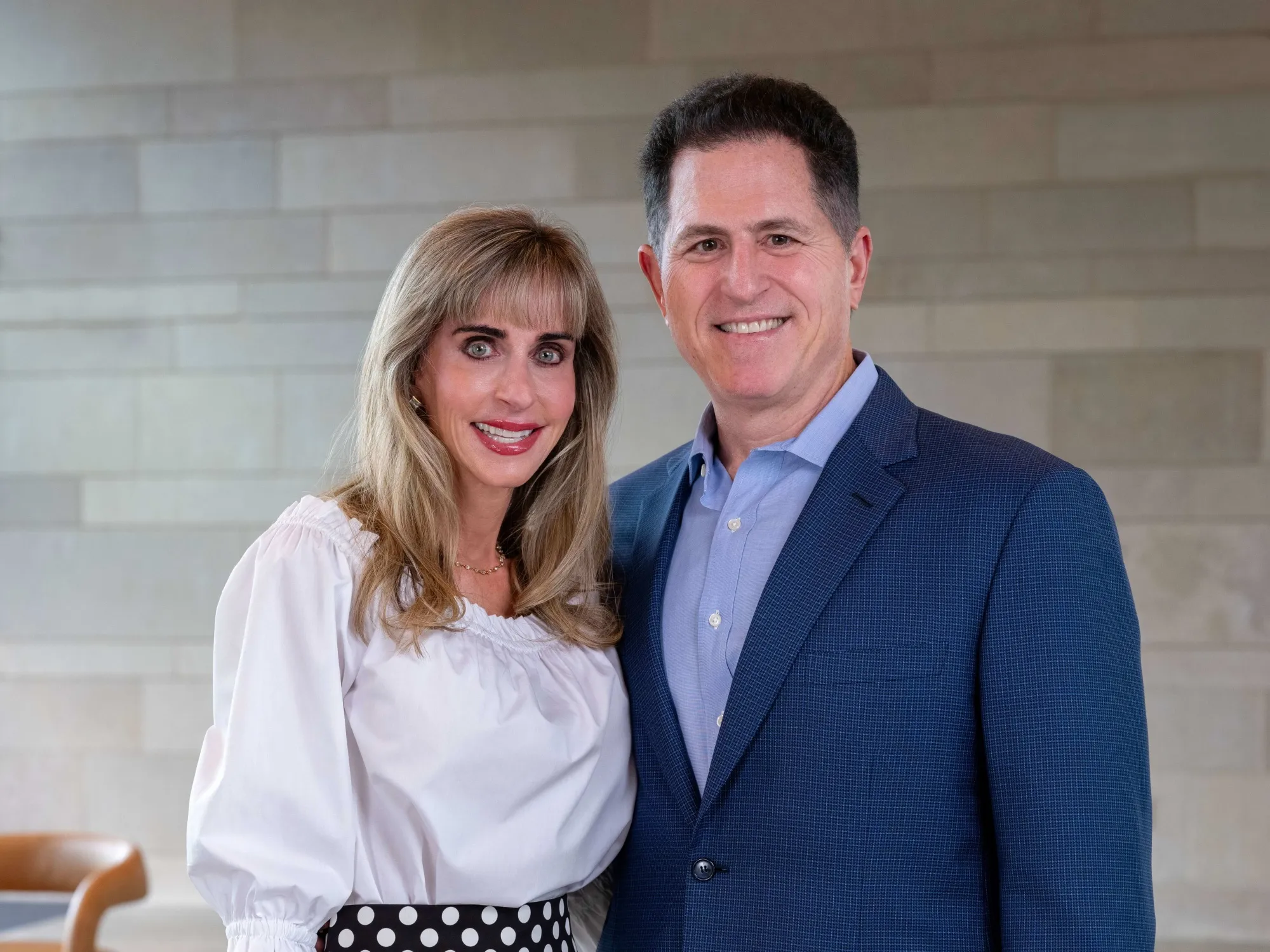
In a move that has sent ripples across the financial world today, Michael and Susan Dell unveiled a monumental $6.25 billion pledge to supercharge the Trump Accounts program, targeting a brighter economic future for 25 million U.S. children. This historic donation, announced just hours ago, arrives at a pivotal moment as families nationwide grapple with rising costs and uncertain prospects, offering a tangible lifeline that could redefine generational wealth.
The Dell family's commitment stands out not only for its scale but also for its timeliness, building on the fresh momentum of the One Big Beautiful Bill Act passed earlier this year. By injecting $250 into individual Trump Accounts for eligible kids, even those born before the program's official start date, the Dells are extending opportunity to children up to age 10 who might otherwise miss out. Experts hail this as the largest private gift ever funneled exclusively into children's financial security, a gesture that blends philanthropy with bold economic strategy.

Donald Trump displays the signed bill creating Trump Accounts, a landmark initiative to provide investment funds for millions of American children.
Unpacking Trump Accounts: The Basics and Eligibility Rules
Trump Accounts, born from the 2025 One Big Beautiful Bill Act, represent a groundbreaking federal initiative designed to seed long-term financial growth for America's youngest citizens. Children born from January 1, 2025, through December 31, 2028, automatically receive a $1,000 deposit from the U.S. Treasury, locked into low-cost index funds mirroring the broad U.S. stock market for steady, compounded returns.
The Dell pledge brilliantly broadens this net, covering the initial $1,000 seed for kids under 10 born prior to 2025, ensuring no one in that age bracket gets left behind. Families can then add up to $5,000 annually, with employers chipping in under regulated caps to accelerate growth. Funds stay invested until age 18, unlocking for essentials like college tuition, vocational training, a home down payment, or launching a startup, all while fostering habits of saving that echo through lifetimes.
This structure feels profoundly personal, almost like a collective embrace from leaders who remember their own early struggles, turning abstract policy into something families can touch and build upon right now.
The Dells' Vision: Planting Seeds of Stability and Shared Prosperity
Michael Dell, the tech titan whose fortune powers this generosity, has long championed investments that lift communities, and this pledge pulses with that same conviction. In their statement released this afternoon, the couple emphasized reaching beyond newborns to include up to 10-year-olds, so every family senses the backing of nation, neighbors, and forward-thinking givers.
They frame these accounts as more than ledgers, viewing them as sparks for enduring hope, rock-solid footing amid volatility, and gateways to possibilities that once seemed out of reach. "We believe in the power of starting strong," Michael Dell shared in a brief video message, his voice carrying the quiet intensity of someone who's built empires from garages yet never forgotten the ground floor.
Economist Darrick Hamilton, a leading voice on wealth-building tools like baby bonds, captures the heart of this approach with raw insight: "At the root of the racial wealth gap, and wealth inequality in general, is capital itself. Baby bonds are specifically aimed at giving people that seed capital, that asset that passively appreciates over their lifetime." His words resonate deeply here, evoking the quiet thrill of watching a child's future unfold not by chance, but by deliberate, compassionate design.
The Ripple Effect: Long-Term Growth and Broader Momentum
Imagine the quiet power of those initial deposits compounding over 18 years in stable index funds, potentially blooming into tens of thousands for education or entrepreneurship, especially with family and employer boosts. According to analysis reviewed by Finance Monthly, even conservative 5% annual returns could turn a $1,000 seed into over $24,000 by maturity, a game-changer for households long sidelined from such tools.
Advocates envision this sparking a savings renaissance, where parents, companies, and philanthropists pile on, stretching beyond the initial 25 million kids in lower-income areas to touch even more lives. It's a catalyst for milestones that build lasting equity, from debt-free degrees to homeownership dreams realized, all while instilling resilience in a generation facing tomorrow's unknowns.
Yet this isn't without hurdles, as some voices note the accounts sidestep urgent crises like food insecurity or medical bills, delivering wins years down the line rather than today. Market dips pose risks too, though diversified funds mitigate much of that sting, and safeguards prevent early forced withdrawals. Still, the emotional pull endures, a reminder that small starts can yield profound shifts, much like the Dells' own journey from modest beginnings to global influence.
For parents scanning headlines amid holiday budgeting woes, this lands like a beacon, whispering that their kids' paths might just veer toward abundance. It's a bet on human potential, woven with the grit of real-world innovators, and it stirs something fierce in the chest, a fierce belief that fairness isn't folklore but forgeable fact.
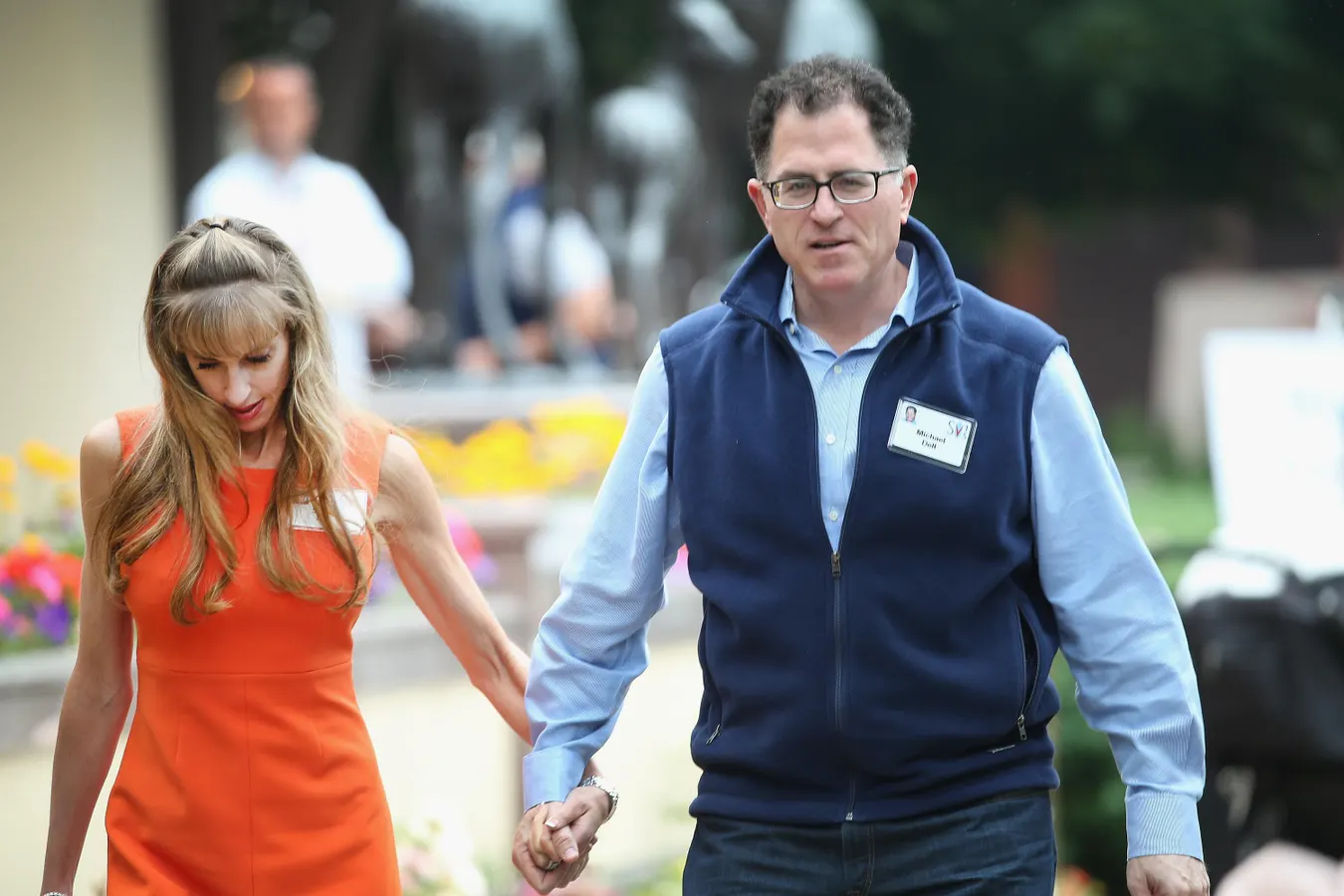
Michael and Susan Dell stroll through the city, a few days after announcing their historic $6.25 billion donation to support Trump Accounts for U.S. children.
Voices from the Edge: Challenges and the Road Ahead
Critics rightly press that while Trump Accounts plant promising roots, they can't uproot immediate hardships like unstable housing or healthcare gaps overnight. Growth demands ongoing contributions, a stretch for stretched-thin budgets, and stock investments, for all their historical upside, aren't immune to recessions that could trim gains if timed poorly.
That said, the program's guardrails, like mandatory low-fee indexing and delayed access, aim to shield against pitfalls, ensuring most emerge ahead. Hamilton's perspective adds emotional depth, highlighting how such initiatives "provide everybody a birthright to capital," breaking chains of inherited disadvantage with a dignity that feels almost sacred. As this unfolds in real time, watch for uptake rates among working families and any tweaks from lawmakers to amplify inclusivity, all while the Dells' gift keeps drawing in allies eager to multiply the magic.
In the end, this pledge transcends transactions, embodying a raw, urgent call to nurture tomorrow's builders today. It challenges us to see beyond balance sheets to the beaming faces of kids handed wings, not weights, poised to soar in an America reimagined with equity at its core.
What Readers Want to Know Next
How Exactly Do Families Open and Manage a Trump Account?
Opening a Trump Account proves straightforward for eligible families, starting with a simple online portal launch expected by early 2026 via the Treasury Department website. Parents or guardians verify birth details and income status through secure ID checks, triggering the automatic $1,000 seed or Dell-funded equivalent within weeks. Management happens via a user-friendly app for tracking growth, adding contributions up to $5,000 yearly, and linking employer matches, all with built-in educational nudges on investing basics to empower users without overwhelming them. This seamless setup, praised by early testers for its accessibility, ensures even tech-shy households can nurture these nest eggs effortlessly, turning potential into progress one deposit at a time.
Will the Dell Donation Cover All Kids Under 10, or Are There Income Limits?
The Dell pledge smartly targets the 25 million children in lower-income ZIP codes under age 10, prioritizing those born before 2025 to bridge eligibility gaps without strict household income caps that might deter sign-ups. While the core Treasury program tiers deposits by family wealth brackets, the Dells' $250 per child infusion applies universally within that cohort, fostering widespread participation. This inclusive angle, drawn from pilot feedback showing higher engagement in underserved areas, aims to democratize opportunity, though families in higher brackets might see smaller Treasury boosts. Overall, it levels the field thoughtfully, inviting broad buy-in while focusing impact where it counts most for closing persistent divides.
What Happens If Market Downturns Hit Before a Child Turns 18?
Market volatility worries many, yet Trump Accounts' design leans on diversified, low-cost index funds that historically rebound over 18-year horizons, with average annual returns around 7-10% smoothing out dips like the 2008 crash or 2020 plunge. Withdrawals remain locked until 18, barring rare hardship exceptions vetted by advisors, so funds weather storms intact more often than not. Educational resources within the platform guide families on staying the course, and simulations from program architects project that even in conservative scenarios, a $1,000 start grows substantially, often to $20,000 or more. This resilience, coupled with no-fee structures, instills confidence, transforming perceived risks into teachable moments about patient, informed investing for lifelong gain.